Aerospace Safety and Reliability
Introduction
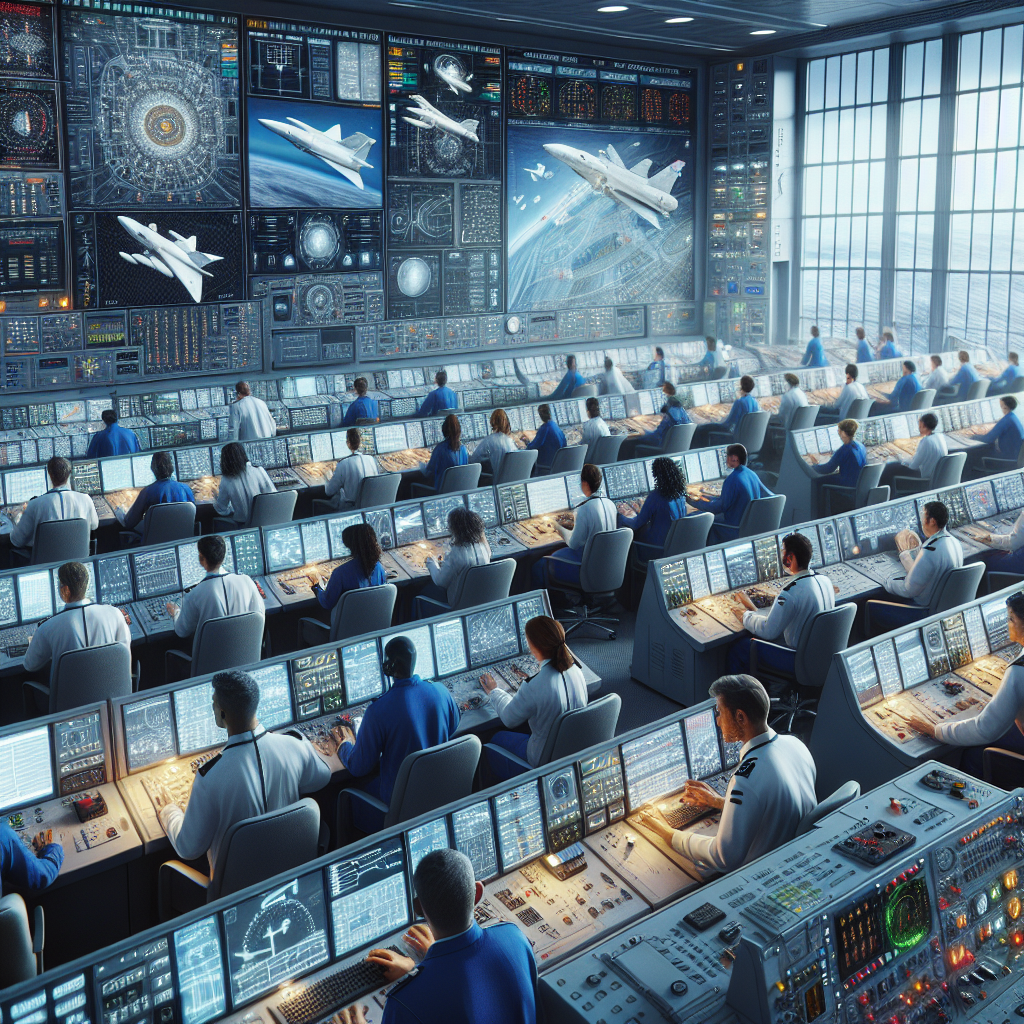
Aerospace safety and reliability are critical aspects of aerospace engineering, a field that encompasses the design, development, testing, and production of aircraft, spacecraft, and related systems and equipment. The importance of safety and reliability in aerospace engineering cannot be overstated, as the consequences of failure can be catastrophic, leading to loss of life, significant financial loss, and damage to infrastructure. Ensuring the safety and reliability of aerospace systems is essential for the successful operation of commercial airlines, military operations, space exploration, and various other applications. This article delves into the fundamentals, historical development, applications, advanced topics, challenges, and considerations associated with aerospace safety and reliability.
Fundamentals
Basic Principles and Concepts
Aerospace safety and reliability are governed by several fundamental principles and concepts:
- Safety: The condition of being protected from or unlikely to cause danger, risk, or injury. In aerospace engineering, safety involves the design and operation of systems that minimize the risk of accidents and incidents.
- Reliability: The probability that a system or component will perform its required functions under stated conditions for a specified period. Reliability engineering focuses on ensuring that aerospace systems are dependable and perform consistently over time.
- Redundancy: The inclusion of extra components or systems that can take over in case of failure. Redundancy is a key strategy in enhancing both safety and reliability.
- Fault Tolerance: The ability of a system to continue operating properly in the event of the failure of some of its components. Fault-tolerant systems are designed to handle errors gracefully without catastrophic failure.
- Risk Management: The process of identifying, assessing, and mitigating risks. In aerospace engineering, risk management involves analyzing potential hazards and implementing measures to reduce their impact.
Key Terms
- Failure Mode and Effects Analysis (FMEA): A systematic method for evaluating processes to identify where and how they might fail and assessing the relative impact of different failures.
- Probabilistic Risk Assessment (PRA): A comprehensive methodology to evaluate risks associated with complex systems, often used in aerospace to assess the likelihood and consequences of different failure scenarios.
- Safety Margin: The difference between the actual performance of a system and its minimum acceptable performance. A larger safety margin indicates a more robust system.
Historical Development
The history of aerospace safety and reliability is marked by significant milestones and contributions from notable figures:
- Early Aviation: The Wright brothers’ first powered flight in 1903 marked the beginning of aviation. Early aircraft were rudimentary, and safety was a major concern. Pioneers like Glenn Curtiss and Igor Sikorsky made significant contributions to improving aircraft design and safety.
- World War II: The rapid development of military aircraft during World War II highlighted the need for reliable and safe systems. Advances in materials, aerodynamics, and propulsion systems were driven by the demands of the war.
- Jet Age: The introduction of jet engines in the 1950s revolutionized aviation. Engineers like Frank Whittle and Hans von Ohain played crucial roles in developing reliable jet propulsion systems.
- Space Exploration: The space race of the 1960s brought new challenges in safety and reliability. The Apollo program, led by figures like Wernher von Braun, demonstrated the importance of rigorous testing and redundancy in achieving successful space missions.
- Modern Era: Advances in computer technology, materials science, and systems engineering have continued to enhance aerospace safety and reliability. The development of fly-by-wire systems, composite materials, and advanced simulation techniques are notable achievements.
Applications
Aerospace safety and reliability have practical applications across various industries and fields:
Commercial Aviation
Ensuring the safety and reliability of commercial aircraft is paramount. Airlines rely on rigorous maintenance schedules, advanced diagnostic tools, and redundant systems to minimize the risk of accidents. Case studies such as the successful emergency landing of US Airways Flight 1549 on the Hudson River in 2009 highlight the importance of reliable systems and well-trained crews.
Military Aviation
Military aircraft operate in demanding environments and require high levels of reliability. Redundant systems, advanced materials, and rigorous testing protocols are essential to ensure mission success and crew safety. The development of stealth technology and unmanned aerial vehicles (UAVs) are examples of advancements driven by military needs.
Space Exploration
Space missions involve extreme conditions and require highly reliable systems. The success of missions like the Mars rovers and the International Space Station (ISS) depends on robust design, thorough testing, and effective risk management. The use of autonomous systems and artificial intelligence (AI) in space exploration is an emerging trend.
General Aviation
General aviation includes private and recreational flying. Safety and reliability are critical for small aircraft, which often operate in less controlled environments. Innovations such as glass cockpits, advanced avionics, and improved training programs have enhanced safety in this sector.
Advanced Topics
Recent Research and Innovations
Recent research in aerospace safety and reliability focuses on several advanced concepts and techniques:
- Artificial Intelligence (AI) and Machine Learning: AI and machine learning are being used to develop predictive maintenance systems, enhance fault detection, and optimize flight operations. These technologies can analyze vast amounts of data to identify patterns and predict potential failures.
- Advanced Materials: The development of new materials, such as carbon fiber composites and high-temperature alloys, has improved the reliability and performance of aerospace systems. These materials offer higher strength-to-weight ratios and better resistance to environmental stresses.
- Digital Twins: Digital twin technology involves creating a virtual replica of a physical system. This allows engineers to simulate and analyze the performance of aerospace systems in real-time, leading to improved reliability and maintenance practices.
- Autonomous Systems: The integration of autonomous systems in aerospace applications, such as UAVs and autonomous spacecraft, presents new challenges and opportunities for safety and reliability. Ensuring the robustness of these systems is a key area of research.
Future Trends
Future trends in aerospace safety and reliability include:
- Urban Air Mobility (UAM): The development of electric vertical takeoff and landing (eVTOL) aircraft for urban transportation presents new challenges in safety and reliability. Ensuring the safe integration of these vehicles into urban airspace is a critical area of focus.
- Space Tourism: As commercial space tourism becomes a reality, ensuring the safety and reliability of spacecraft for civilian passengers is paramount. Companies like SpaceX and Blue Origin are at the forefront of this emerging industry.
- Hypersonic Flight: The development of hypersonic aircraft, capable of traveling at speeds greater than Mach 5, requires advanced materials, propulsion systems, and thermal protection. Ensuring the reliability of these systems is a significant challenge.
Challenges and Considerations
Despite advancements, several challenges and considerations remain in the field of aerospace safety and reliability:
Complexity
Aerospace systems are inherently complex, involving numerous interconnected components and subsystems. Managing this complexity and ensuring the reliability of each element is a significant challenge.
Environmental Factors
Aerospace systems operate in harsh environments, including extreme temperatures, high pressures, and radiation. Designing systems that can withstand these conditions while maintaining reliability is crucial.
Human Factors
Human error remains a significant factor in aerospace accidents. Enhancing training programs, improving human-machine interfaces, and developing systems that can compensate for human errors are essential considerations.
Regulatory Compliance
Aerospace systems must comply with stringent regulatory standards set by organizations such as the Federal Aviation Administration (FAA) and the European Union Aviation Safety Agency (EASA). Ensuring compliance while fostering innovation is a delicate balance.
Cost
Developing and maintaining reliable aerospace systems is expensive. Balancing cost with safety and reliability is a constant challenge for engineers and manufacturers.
Potential Solutions
Potential solutions to these challenges include:
- Enhanced Simulation and Testing: Advanced simulation tools and rigorous testing protocols can help identify potential issues early in the design process.
- Interdisciplinary Collaboration: Collaboration between different engineering disciplines, such as materials science, computer science, and human factors engineering, can lead to more robust solutions.
- Continuous Improvement: Implementing continuous improvement processes, such as Lean and Six Sigma, can help identify and address reliability issues throughout the lifecycle of aerospace systems.
Conclusion
Aerospace safety and reliability are fundamental to the success of the aerospace industry. From early aviation pioneers to modern-day engineers, the pursuit of safer and more reliable systems has driven innovation and advancements in aerospace engineering. The principles of safety, reliability, redundancy, fault tolerance, and risk management underpin the design and operation of aerospace systems. While significant progress has been made, challenges such as complexity, environmental factors, human error, regulatory compliance, and cost remain. Addressing these challenges requires ongoing research, interdisciplinary collaboration, and a commitment to continuous improvement. As the aerospace industry continues to evolve, the importance of safety and reliability will remain paramount, ensuring the continued success and growth of this critical field.