When Engineering Meets the Law: Why Construction Accident Lawyers Matter
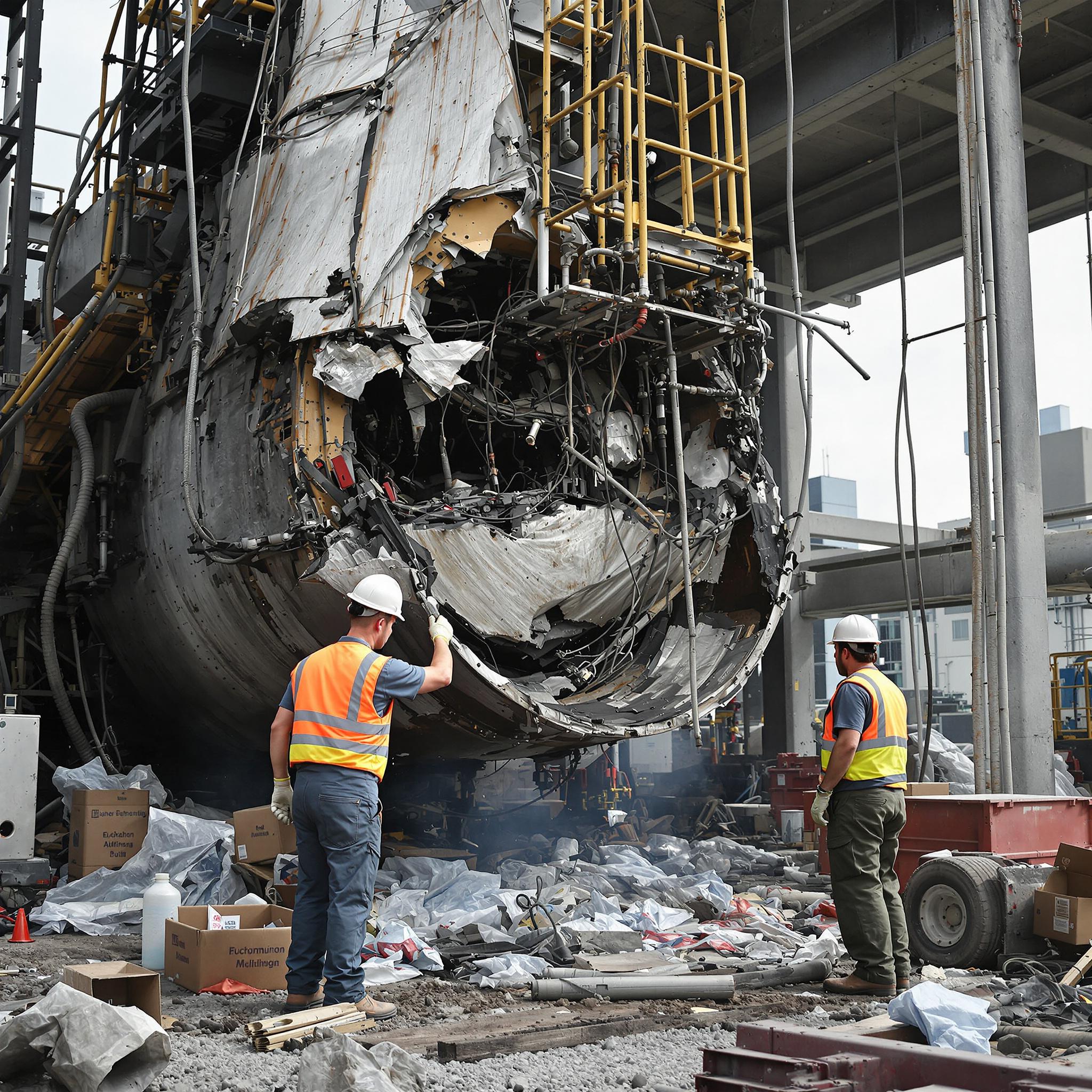 Construction is an industry where engineering brilliance meets human effort to build the infrastructure that powers modern society. However, construction sites are also high-risk environments. From structural collapses to machinery malfunctions, accidents are not uncommon and often result in devastating injuries or fatalities. These incidents expose gaps in safety practices, engineering design, or compliance with regulations.
This is where construction accident lawyers step in. By combining legal expertise with insights from engineering practices, they advocate for injured workers, hold negligent parties accountable, and push for safer industry standards. This article delves into the intricate interplay between engineering and law, highlighting how construction accident lawyers rely on engineering principles to navigate complex cases.
The Risks of Engineering Failures in Construction
The construction industry remains one of the most hazardous sectors globally. The U.S. Bureau of Labor Statistics reports that construction accounts for nearly 1 in 5 workplace fatalities, with falls, equipment failures, and structural collapses leading the causes. These risks underscore the importance of strict adherence to engineering standards.
Common Types of Engineering Failures
- Structural Deficiencies
Flawed designs, material fatigue, or improper load calculations can lead to catastrophic failures. For instance, the Hyatt Regency walkway collapse in 1981 resulted from a design change that compromised structural integrity, causing the deaths of 114 people. - Mechanical Failures
Equipment malfunctions, such as crane collapses or defective machinery, often stem from poor maintenance or manufacturing defects. These issues highlight the critical role of engineers in designing and inspecting equipment. - Material Failures
The use of substandard materials or failure to account for environmental factors (e.g., corrosion or extreme temperatures) can lead to disasters. For example, the collapse of bridges due to metal fatigue underscores the need for rigorous material testing.
Investigating Construction Accidents: The Role of Engineers
When a construction accident occurs, the first step is a thorough investigation. Lawyers rely heavily on engineers to uncover the technical causes of accidents. Forensic engineering is a specialized field that reconstructs events to identify the sequence of failures leading to an incident.
Key Steps in Engineering Investigations
- Analyzing Blueprints and Designs
Engineers examine construction plans to identify errors in calculations or deviations from approved designs. - Assessing Site Conditions
Environmental and site-specific factors, such as soil stability or weather conditions, are evaluated to determine if they contributed to the accident. - Inspecting Equipment and Materials
Forensic engineers test machinery and materials for defects, wear, or improper usage. - Simulating Scenarios
Using advanced software, engineers recreate accidents to determine how and why they occurred. For example, simulations can reveal how a structure failed under stress.
Construction Safety in New York: Unique Challenges and Legal Support
 New York is one of the most active construction hubs in the United States, with its iconic skyline constantly evolving. However, the high volume of construction projects, particularly in urban environments, also makes it one of the most accident-prone areas. Tight spaces, high-rise work, and a fast-paced construction industry amplify the risks faced by workers.
For these reasons, injured workers in New York often turn to a construction accident lawyer in NYC to navigate the state’s complex legal landscape. Specialized laws, like the Scaffold Law, place strict safety obligations on employers and contractors, creating unique opportunities for lawyers to advocate for injured workers.
Engineering Standards as the Foundation for Safety
Construction accidents often occur when industry standards are ignored or poorly implemented. Organizations such as OSHA (Occupational Safety and Health Administration) and ANSI (American National Standards Institute) establish guidelines to protect workers and ensure site safety.
Examples of Engineering Standards
- OSHA Standards: Mandate safety measures for scaffolding, fall protection, and equipment operation.
- ANSI Guidelines: Provide specifications for machinery and structural design to minimize risks.
When these standards are violated, construction accident lawyers use them to establish negligence. For instance, if a contractor failed to secure scaffolding according to OSHA regulations, the contractor could be held liable for resulting injuries.
Legal Support for Slip and Fall Accidents
Slip and fall incidents are among the most common types of accidents on construction sites, often resulting from wet surfaces, uneven ground, or debris. These injuries can lead to significant medical expenses and lost wages, making legal representation essential.
An injury lawyer for slip and fall specializes in holding negligent parties accountable, ensuring that victims receive compensation for their injuries. In states like New York, where construction sites are heavily regulated, a skilled lawyer can identify violations of safety standards to strengthen a claim.
Collaboration Between Lawyers and Engineers
Construction accident lawyers often work alongside engineers to build compelling cases. This partnership ensures technical accuracy while demonstrating negligence or compliance.
How Engineers Support Legal Cases
- Expert Testimony
Engineers explain complex technical concepts in court, such as why a structure collapsed or how an equipment defect caused an accident. - Technical Documentation
Detailed reports from engineers bolster legal arguments by providing evidence of design flaws, material deficiencies, or maintenance lapses. - Accident Reconstruction
Engineers use data and simulations to recreate incidents, offering a clear picture of how the accident occurred.
Leveraging Technology for Safer Sites and Legal Cases
Advances in engineering technology are transforming construction site safety and accident investigations. These innovations also provide critical evidence for legal cases.
Technological Tools in Construction and Law
 Drones
Used for site inspections, drones capture aerial views of construction sites, helping to identify hazards or non-compliance with safety protocols.- Wearable Sensors
Devices worn by workers monitor vital signs, detect falls, and track movements, offering real-time safety insights. - AI-Powered Systems
Artificial intelligence analyzes data to predict potential risks, such as structural weaknesses or unsafe work patterns. - 3D Modeling and Simulations
Advanced software allows engineers to visualize and analyze accidents, providing invaluable evidence in court.
Challenges in Construction Accident Litigation
Despite the availability of engineering evidence, construction accident litigation is often complex. Lawyers face challenges such as:
- Identifying Liable Parties
Construction projects involve multiple stakeholders—contractors, subcontractors, property owners, and manufacturers—making it difficult to assign blame. - Interpreting Technical Data
Engineering evidence can be dense and challenging for non-experts to understand. Lawyers rely on engineers to simplify these concepts for judges and juries. - Overcoming Defenses
Companies may argue that workers ignored safety protocols, shifting blame away from management. Countering these claims requires robust engineering evidence.
Driving Systemic Improvements in Engineering Practices
Construction accident lawsuits don’t just resolve individual cases—they drive systemic changes in engineering and safety practices.
Examples of Industry Reforms
- Improved Safety Protocols: Lawsuits have prompted companies to adopt stricter safety measures, such as mandatory training programs and regular inspections.
- Innovation in Materials and Design: Accidents caused by material failures have led to the development of more durable materials and advanced construction techniques.
- Wider Adoption of Technology: Cases highlighting technological gaps encourage companies to invest in innovations like AI-driven safety monitoring.
Case Studies: Lessons from Tragedies
- The Hyatt Regency Walkway Collapse
The 1981 collapse of two suspended walkways in Kansas City, Missouri, was traced back to a design change that doubled the load on connection points. This disaster, which killed 114 people, led to changes in structural engineering practices and stricter oversight of design modifications. - The Willow Island Disaster
The collapse of a cooling tower under construction in 1978 killed 51 workers. Investigations revealed inadequate scaffolding and rushed construction timelines, emphasizing the need for stricter adherence to engineering and safety standards.
Conclusion: Bridging Engineering and Law
The collaboration between engineering and law is essential for protecting lives and ensuring justice. Construction accident lawyers and engineers work together to uncover the causes of accidents, hold negligent parties accountable, and advocate for safer industry practices.
By integrating engineering principles into legal cases, construction accident lawyers not only secure compensation for injured workers but also drive improvements that make construction sites safer for future generations.
Together, engineering and law create a foundation for accountability, innovation, and progress in one of the world’s most vital industries.