The Top 20 Famous Engineers Who Shaped the Modern World
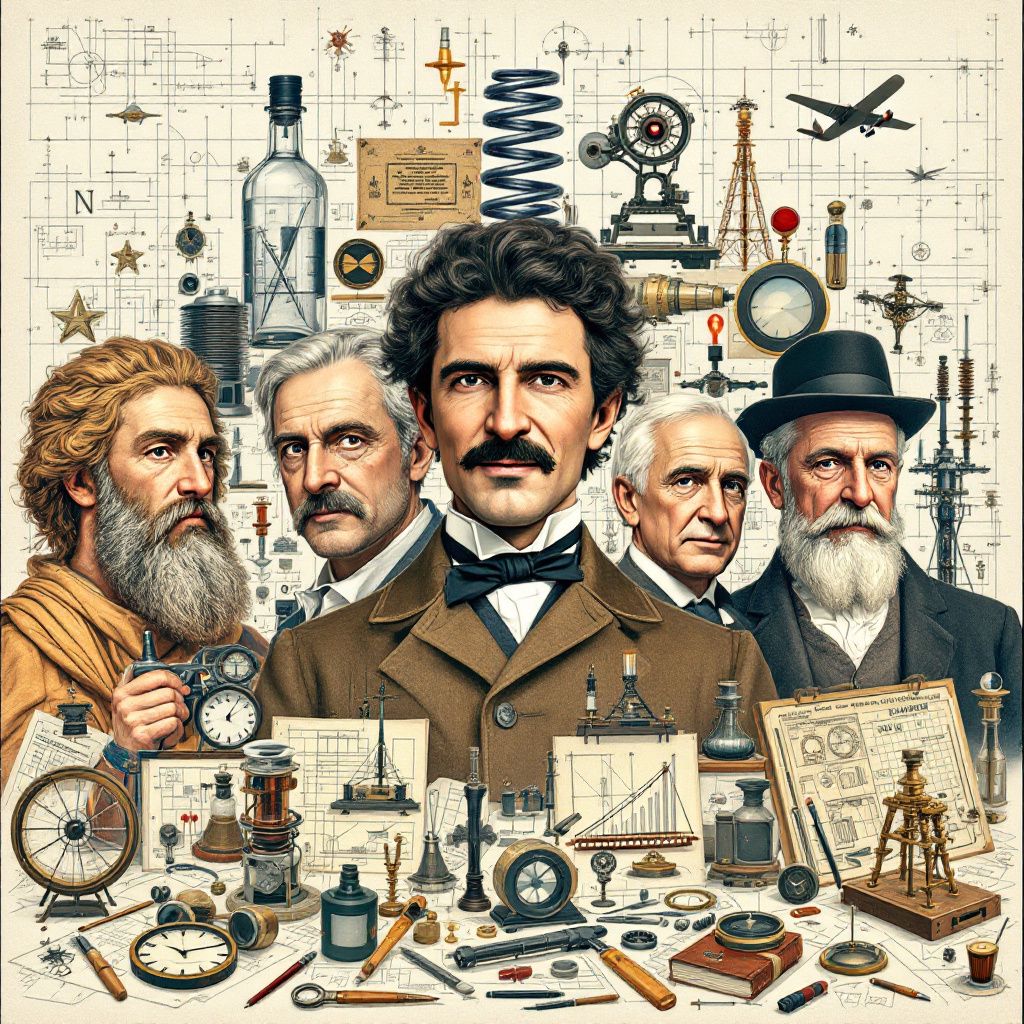 Engineering is one of the most impactful fields in human history, shaping not only the way we live but also the very world we inhabit. From ancient marvels like the pyramids of Egypt to modern technological advances such as artificial intelligence and space exploration, engineering has been at the heart of every major breakthrough in human civilization. At its core, engineering is about problem-solving and creating solutions that improve the quality of life.
Throughout history, famous engineers have applied their technical expertise, creativity, and vision to overcome challenges and shape the future. These innovators have given us inventions that we take for granted today—everything from the steam engine, which powered the Industrial Revolution, to the World Wide Web, which has revolutionized global communication.
In this article, we take a look at the lives and accomplishments of the top 20 engineers whose work has had a profound and lasting impact on the world. Their inventions have changed the course of history, whether by advancing technologies that powered the rise of modern economies, improving our daily lives, or even extending our reach into space. The engineers listed here span centuries and fields of expertise, yet each has left a unique imprint on society. By exploring their remarkable achievements, we can better understand the immense contributions that engineering has made—and will continue to make—in shaping the future.
Section 1: Early Engineering Pioneers
1. Archimedes (287 BC – 212 BC) – The Father of Engineering
Archimedes is widely regarded as one of the most important figures in the history of science and engineering. His contributions laid the foundations for classical mechanics and mathematical physics. Among his many inventions, the Archimedes screw for raising water and his understanding of buoyancy have had enduring significance in engineering.
Legacy:
Archimedes’ discoveries in mechanics and hydraulics are still fundamental to engineering today. His principles of leverage and buoyancy are foundational to modern mechanical designs.
2. Ismail al-Jazari (1136 – 1206) – A Medieval Engineering Genius
Ismail al-Jazari, a 12th-century engineer from the Islamic Golden Age, was a prolific inventor whose designs in hydraulic engineering, automata, and mechanical devices were centuries ahead of his time. His book The Book of Knowledge of Ingenious Mechanical Devices is filled with detailed descriptions of water-raising machines, automata, and early robots.
Legacy:
Al-Jazari’s work paved the way for later developments in hydraulic engineering and the automation of mechanical systems.
3. Leonardo da Vinci (1452 – 1519) – The Renaissance Visionary
Although best known for his art, Leonardo da Vinci’s engineering genius was unparalleled. He conceptualized a variety of machines, including flying machines, the helicopter, and mechanical devices that were too advanced for his time. Da Vinci’s sketches and engineering designs were influential in shaping future generations of engineers.
Legacy:
Leonardo’s vision of machines far beyond the capabilities of his time showed the potential of engineering in pushing the boundaries of human ingenuity.
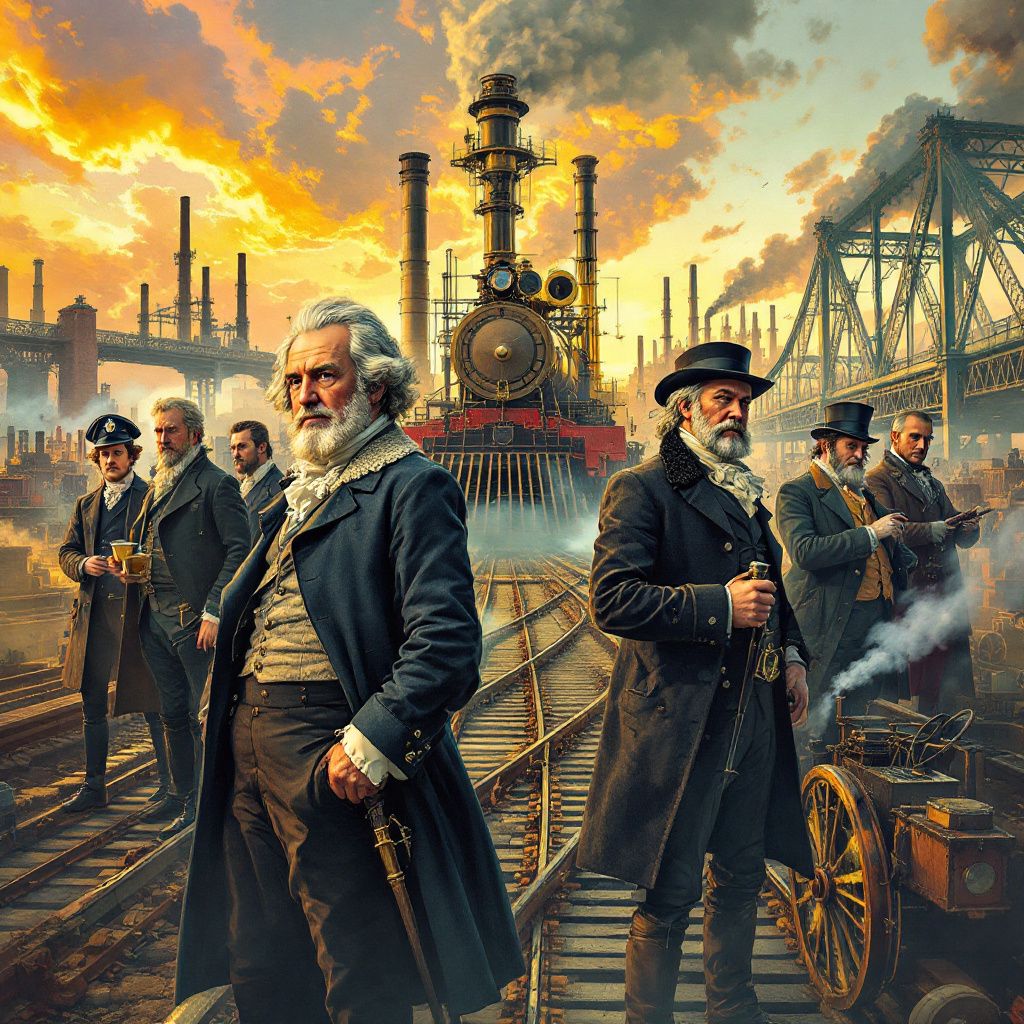
Section 2: Industrial Revolution Engineers
4. James Watt (1736 – 1819) – The Father of the Steam Engine
James Watt’s improvements to the steam engine were instrumental in ushering in the Industrial Revolution. His work enhanced the efficiency of steam engines, which played a critical role in powering factories, mines, and transportation systems.
Key Innovations:
- Development of the separate condenser for the steam engine
- A new unit of power, the horsepower, was coined by Watt to measure engine power.
5. George Stephenson (1781 – 1848) – Pioneer of Railways
Known as the “Father of Railways,” George Stephenson was responsible for creating the first practical steam-powered locomotive, Locomotion No. 1, which revolutionized transportation. Stephenson’s railway designs laid the foundation for the modern rail system that continues to shape global transportation today.
Impact:
Stephenson’s innovations in steam locomotives enabled the expansion of the railway network, dramatically reducing transportation times and costs across countries.
6. Isambard Kingdom Brunel (1806 – 1859) – Master of Engineering Design
One of the most innovative civil engineers in history, Isambard Kingdom Brunel was responsible for designing the Great Western Railway, bridges, and tunnels. His groundbreaking work in creating the first transatlantic steamship, the SS Great Britain, was a monumental achievement in both marine engineering and the industrial age.
Legacy:
Brunel’s vision and engineering designs set new standards for the scale and ambition of industrial infrastructure projects, forever altering the landscape of transportation.
7. Robert Fulton (1765 – 1815) – Inventor of the Steamboat
Robert Fulton is credited with making the steamboat a commercially viable form of transportation. His invention, the Clermont, was the first steamboat to successfully navigate the Hudson River in 1807, revolutionizing waterborne transportation.
Impact:
Fulton’s development of the steamboat paved the way for global shipping, reducing travel times for goods and passengers.

Section 3: Electrical and Mechanical Engineering Legends
8. Nikolaus Otto (1832 – 1891) – Inventor of the Combustion Engine
Nikolaus Otto is renowned for developing the four-stroke engine, which became the basis for the modern internal combustion engine. This engine sparked the development of automobiles and industrial machinery, propelling the world into the age of motorized transport.
Legacy:
Otto’s engine continues to power cars, trucks, and machinery worldwide.
9. Thomas Edison (1847 – 1931) – The Prolific Inventor
Thomas Edison was an American inventor and businessman who held over 1,000 patents. His incandescent lightbulb and phonograph were transformative, bringing light and sound to homes across the world. Edison’s establishment of electric utilities further accelerated the use of electricity for commercial and residential purposes.
Key Innovations:
- The incandescent lightbulb
- The motion picture camera
- The phonograph
10. Nikola Tesla (1856 – 1943) – The Mastermind Behind AC Power
Nikola Tesla is best known for his work in developing alternating current (AC) electrical systems, which became the standard for electrical power transmission. His invention of the Tesla coil and induction motor made him a revolutionary figure in electrical engineering.
Legacy:
Tesla’s groundbreaking work in electrical engineering continues to influence industries such as telecommunications, power generation, and wireless technology.
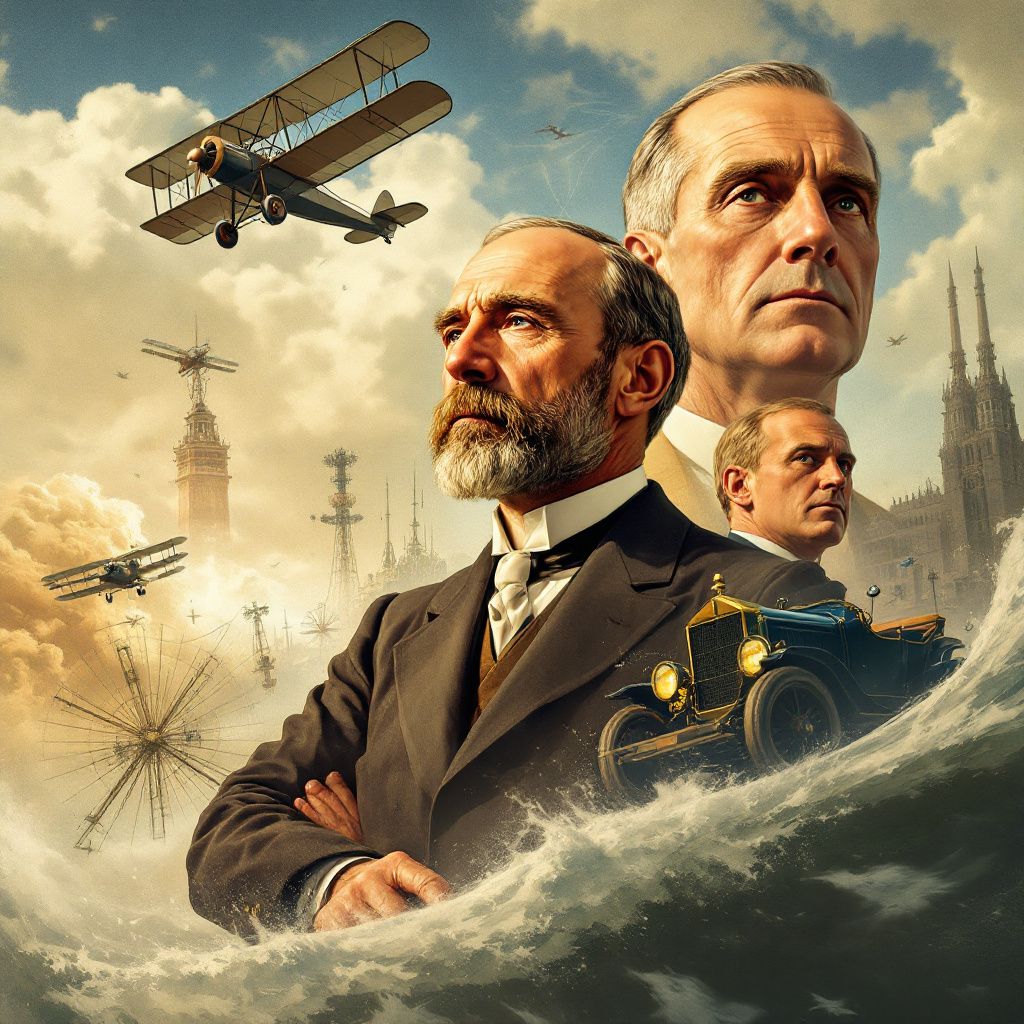
Section 4: 20th Century Innovators
11. Henry Ford (1863 – 1947) – The Father of Mass Production
Henry Ford is credited with revolutionizing the automobile industry by developing the assembly line for mass production. His Model T made automobiles affordable for the masses, dramatically altering the global economy and consumer market.
Impact:
Ford’s innovations in manufacturing processes made consumer goods more accessible and transformed industries worldwide.
12. Guglielmo Marconi (1874 – 1937) – Father of Radio Communication
Guglielmo Marconi was a pioneer in wireless communication. He is best known for his work in developing the first successful radio transmission system, which laid the foundation for modern telecommunications.
Legacy:
Marconi’s work on radio and wireless telegraphy was instrumental in the development of global communication systems.
13. Wright Brothers (Wilbur 1867 – 1912, Orville 1871 – 1948) – The Fathers of Flight
Wilbur and Orville Wright achieved the first successful powered flight in 1903. Their meticulous experimentation with aerodynamics and control systems laid the foundation for modern aviation.
Impact:
The Wright brothers’ invention revolutionized air travel, leading to the development of commercial aviation, military aircraft, and space exploration.
14. Vannevar Bush (1890 – 1974) – The Visionary Behind Computing and Engineering
Vannevar Bush was an American engineer and scientist known for his work in computing and his pivotal role in the Manhattan Project. His conceptual work on analog computing and his invention of the first electromechanical differential analyzer laid the groundwork for modern computers.
Legacy:
Bush’s contributions to computing helped shape the future of digital technology and computational theory.

Section 5: Computer Science and Digital Engineering
15. Charles Babbage (1791 – 1871) – The Father of the Computer
Charles Babbage is credited with designing the first mechanical computer, the Analytical Engine, which is considered the precursor to modern computers. Although the machine was never completed during his lifetime, Babbage’s design laid the foundation for the digital computers of today.
Impact:
Babbage’s work is fundamental to the field of computer science, marking the beginning of the computing age.
16. Grace Hopper (1906 – 1992) – The Mother of Computer Programming
Grace Hopper was a pioneering computer scientist who developed the first compiler for computer programming. Her work enabled computers to understand human-readable languages, making programming more accessible.
Legacy:
Hopper’s contributions to computer programming continue to influence modern software development.
Section 6: Modern Engineering Legends
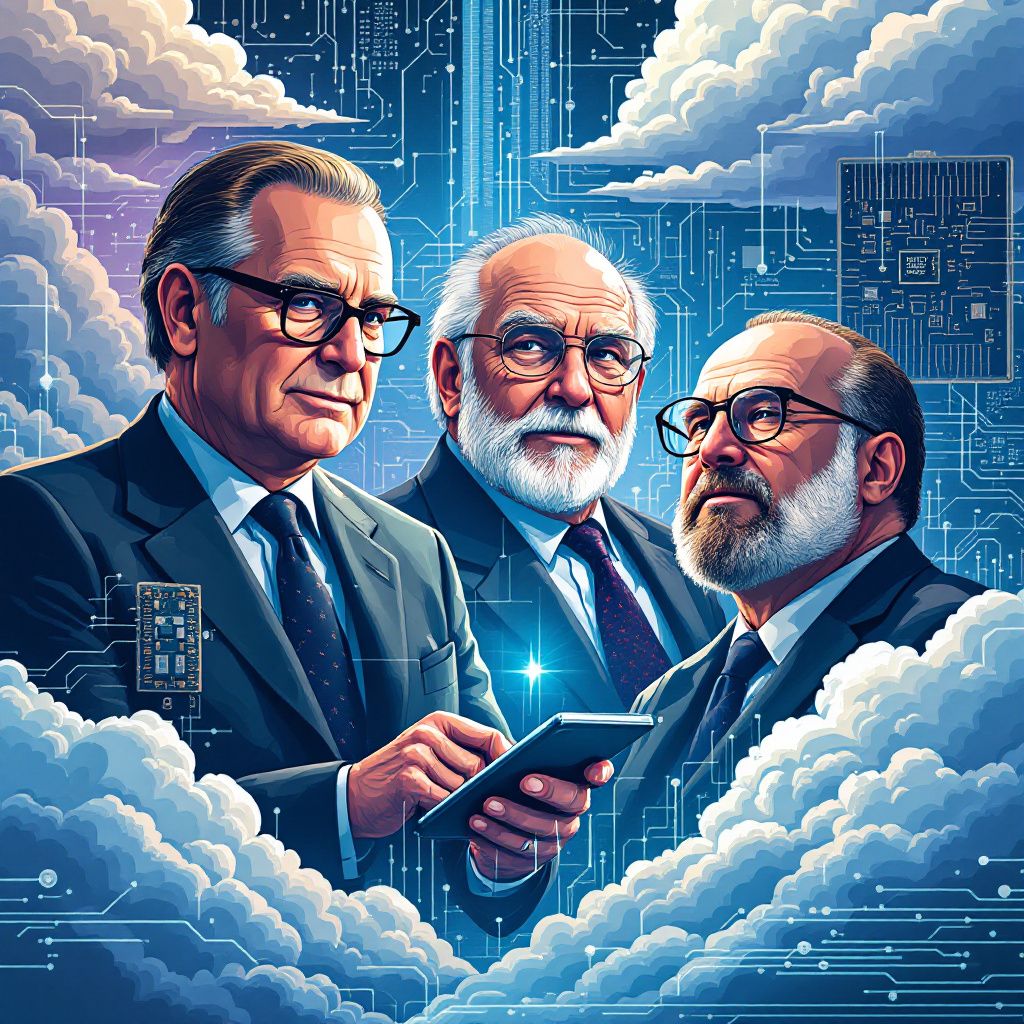
17. Jack Kilby (1923 – 2005) – Co-Inventor of the Integrated Circuit
Jack Kilby is known for co-inventing the integrated circuit, a breakthrough that led to the miniaturization of electronic devices and the proliferation of personal computers, smartphones, and modern electronics.
Impact:
Kilby’s integrated circuit is the cornerstone of modern electronic technology, influencing industries from computing to telecommunications.
18. Robert Noyce (1927 – 1990) – Co-Inventor of the Integrated Circuit
Alongside Jack Kilby, Robert Noyce helped develop the integrated circuit and co-founded Intel, the company that drove forward the computer revolution.
Legacy:
Noyce’s work shaped the semiconductor industry and the development of modern computers.
19. Tim Berners-Lee (Born 1955) – Inventor of the World Wide Web
Tim Berners-Lee revolutionized the internet by inventing the World Wide Web. His development of HTML, HTTP, and the first web browser changed how people communicate, share information, and interact with the digital world.
Impact:
Berners-Lee’s creation of the Web has transformed global communication, education, business, and entertainment.
20. Marc Benioff (Born 1964) – Cloud Computing Pioneer
Marc Benioff is the founder of Salesforce, one of the first companies to make enterprise software available via the cloud. His innovation has driven the adoption of cloud computing across industries.
Legacy:
Benioff’s work in cloud computing has reshaped how businesses operate, providing scalable solutions for companies of all sizes.
Conclusion: Engineering’s Lasting Legacy
The engineers featured in this article have not only changed the course of their respective industries but have also shaped the trajectory of human history. From the early pioneers like Archimedes, whose innovations in mechanics laid the groundwork for modern engineering, to Tim Berners-Lee, whose invention of the World Wide Web has transformed the digital age, these individuals have been integral in moving society forward.
What stands out about these famous engineers is their ability to think beyond the constraints of their time, envisioning solutions to problems that many thought were insurmountable. Their work has not only advanced technology but has also revolutionized our understanding of science, human potential, and the world around us.
Engineering, at its heart, is about more than just creating new gadgets or machines. It is about solving problems and making life better for people around the world. The legacies of these engineers are felt in every corner of modern life—whether it’s the convenience of transportation, the ability to communicate instantly across vast distances, or the technological breakthroughs that continue to enhance our daily lives. These engineers have shaped the very fabric of the modern world, and their ideas will continue to inspire generations to come.
As we look to the future, it’s clear that engineering will remain at the forefront of innovation, helping us address some of the most pressing challenges of our time, from climate change to space exploration. The engineers of tomorrow will continue to build upon the foundations laid by these great pioneers, pushing the boundaries of what’s possible and creating new opportunities for the betterment of humanity. The top 20 engineers in this article represent the best of what human ingenuity can achieve, and their impact will continue to be felt for centuries.