The Ideal Traits for a Mechanical Engineer
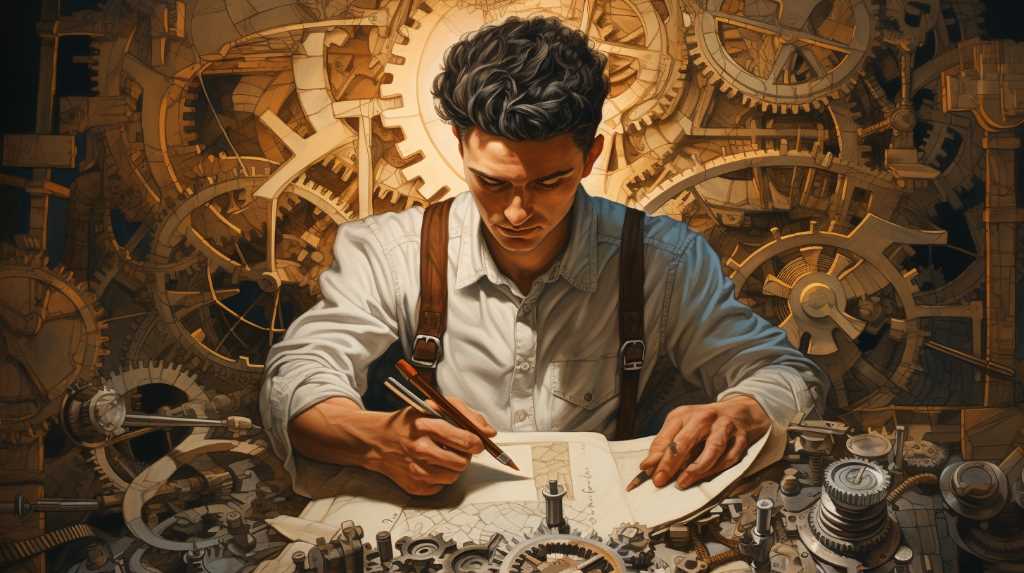
A great mechanical engineer needs certain skills to be successful.
First, they must be able to analyze complicated systems and make sense of data, which means having a sharp mind for details and a knack for understanding how things work. It’s also important for them to be good with practical tools and concepts like computer-aided design (CAD), understanding the principles of heat and energy (thermodynamics), and knowing about different materials.
Being able to solve problems is another key skill. This means when something unexpected happens, they can come up with smart ways to fix it. They have to explain complicated ideas in a way that everyone can understand and work well with people from different fields to get the job done.
Teamwork is really important because most of the time, they will be working with others to create solutions that work from all angles. For example, when designing a new car, a mechanical engineer must work with designers for the car’s shape, with safety experts for crash tests, and with environmental scientists to make sure the car is fuel-efficient.
In summary, a mechanical engineer should be a sharp thinker, good with technical tools, a creative problem solver, a clear communicator, and a team player to truly excel in their field.
Innate Analytical Abilities
Being good at analysis is very important for mechanical engineers. They need to be able to look at complicated issues and figure out how to solve them. It’s critical for them to take apart systems and see how everything works together.
A mechanical engineer who is great at analyzing things can deal with complex tasks in designing, making, and running things. They need to be really good at math and physics too. This helps them measure and predict things accurately.
Using analysis well means they can make sure everything works the best way possible. This is how they keep the promise of being excellent and innovative in their work.
Proficiency in Technical Skills
A mechanical engineer needs to be really good at understanding both the theory and practice of engineering. This means they should know how to apply what they’ve learned to solve real problems. They have to be skilled at using special computer programs like CAD, which is used for designing things, and simulation software, which helps test how designs will work. Engineers also need to be able to make sense of lots of complicated information.
For example, a mechanical engineer might use CAD software like AutoCAD or SolidWorks to create a 3D model of a new engine part. They would then test the part using simulation software to make sure it can handle the right temperatures and pressures.
Being good at materials science, understanding how heat and energy work (thermodynamics), and knowing about forces and motion (mechanics) is essential. A mechanical engineer must also be creative and ready to use new tools and ways of doing things. This helps them create solutions that work well, last long, and are good for the environment.
Their ability to do all this makes them really important in the field of engineering. They help create things that we use every day, making our lives easier and safer.
Exceptional Problem-Solving Aptitude
Being able to solve problems well is really important for a mechanical engineer. They need to be able to take apart tough problems, make sense of lots of information, and come up with new, smart ways to fix things. Mechanical engineers face complicated challenges that make them think hard about how things work, what they’re made of, and how they behave. They have to come up with solutions that work well, don’t cost too much, and are efficient.
A good problem solver in this field knows how to balance what a design needs to do with how it should work, making sure everything runs smoothly and doesn’t cost too much. It’s not just about fixing what’s broken right now. It’s also about thinking ahead to stop other problems before they happen.
Top engineers use their skills to turn ideas that sound good on paper into things that actually work in real life. This means the things they create will really do the job they’re supposed to when they’re used in the real world.
Effective Communication Competence
Mechanical engineers frequently must articulate complex concepts clearly and effectively to collaborate successfully with cross-disciplinary teams and clients. This necessitates a mastery of both verbal and written communication.
In the realm of mechanical engineering, effective communication competence is not merely a desirable attribute but a strategic imperative. It involves the ability to distill intricate technical information into digestible language for stakeholders, ensuring that project specifications, constraints, and solutions are comprehensively understood by all parties involved.
The strategic communicator anticipates potential misunderstandings and proactively addresses them, fostering a collaborative environment that enhances team synergy and drives project success. In essence, a mechanical engineer’s technical acumen, paired with superior communication skills, forms the bedrock of innovation and efficient project execution in a multidisciplinary context.
Collaborative Teamwork Spirit
To be successful, a mechanical engineer needs to work well with others. They have to be good at fixing complicated problems and be great at joining forces with different experts.
Working together well is key because it helps the team use everyone’s strengths, making work go smoothly and leading to new ideas. A good engineer can look at how the team works and change things up as needed to keep the project on track.
When a team works in harmony, they come up with better solutions than one person could alone. This is because they combine their knowledge to create smart, effective ways of solving problems.
Conclusion
To wrap it up, a top-notch mechanical engineer needs strong analytical thinking, hands-on technical skills, the ability to solve complex problems, clear communication, and a willingness to work with others.
It’s important for engineers to develop these skills to do well in the ever-changing field of mechanical engineering. By doing so, they can play a key role in creating new technology and improving the way machines and systems work.