A Look at Mechanical Engineering Working Conditions

Mechanical engineering combines creative problem-solving with technical skills. It offers a range of work settings because mechanical engineers do many different jobs. They might work in design, research, making products, or providing field services. Where they work greatly influences what their day looks like and how happy they are with their jobs. This guide will give you a closer look at what work places are like for mechanical engineers, including how physically demanding some jobs can be and what safety issues they might face. We’ll talk about how much time they spend in the office versus on-site, what their usual work hours are like, and if there’s room for flexible scheduling. We’ll also look at how mechanical engineers can grow in their careers and keep learning new things. For those already in the field or thinking about joining it, understanding these aspects is important for making good career choices.
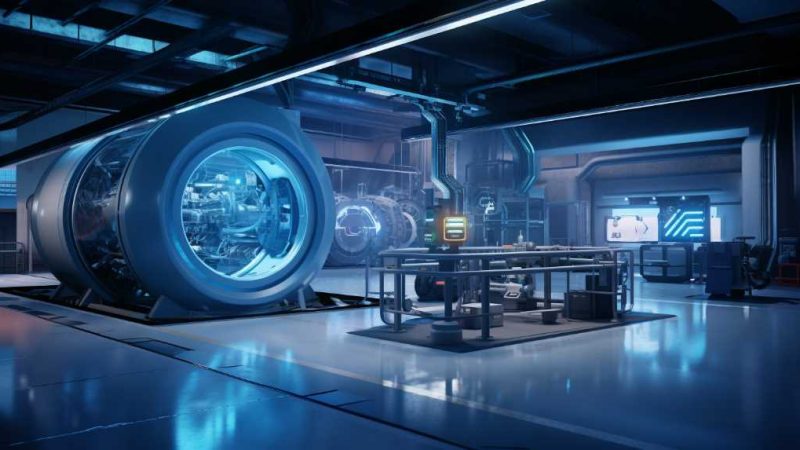
When it comes to where mechanical engineers work, it can vary a lot. Some might be in a lab or an office most of the time, working on designs or simulations on a computer. Others might spend a lot of time in factories or out in the field, checking on machines or solving problems on the spot. These different settings mean that some engineers need to be ready for physical work and understand how to stay safe, especially if they’re around heavy machinery or in industrial environments.
Now, let’s talk about hours and flexibility. Most mechanical engineers work full-time, and sometimes they might need to work extra hours if there’s a big project or a deadline coming up. However, some companies allow for flexible schedules, which can help engineers balance work with their personal lives.
As for career growth and learning, there’s a lot of room to move up or branch out in mechanical engineering. Engineers can specialize in areas like robotics or renewable energy, or they can move into management roles over time. The field is always changing, so there’s a strong focus on continuing education, whether that’s through formal classes, workshops, or just staying up to date with industry trends.
In conclusion, mechanical engineers have a wide range of work environments. They need to be ready for both desk work and hands-on tasks, depending on their job. Work hours can be regular or flexible, and there are many chances for personal growth and learning in this field. Understanding all this helps mechanical engineers plan their careers and find the right path for them.
Industry-Specific Work Environments
Mechanical engineers work in many different places. Each place has its own rules and ways of doing things to stay safe. These engineers need to be able to learn quickly and handle different kinds of machines and equipment. For example, they might work in the very clean areas where computer chips are made, places where metals are heated to very high temperatures, or places where things are tested for the aerospace industry that shake a lot. Their job is to make sure everything works well and is safe.
It’s really important for engineers to think carefully and use their knowledge of materials, heat, and liquids to stop problems before they happen. They need to be really good at using design programs on the computer and other tools that help them test and fix machines. This means they have to keep learning new things and follow the best ways of doing their job that experts agree on.
Physical Demands and Safety
Mechanical engineers face different physical demands based on their job and industry, making safety very important to prevent injuries.
Engineers working on-site or in factories might have to handle heavy equipment, move big parts, or stand and walk for a long time.
Those who work in design or research usually sit at a computer for long hours, which can cause strain.
Because of these varied demands, there are strict safety rules that engineers must follow. This includes wearing safety gear, following how-to guides for machinery, and setting up their workspace to prevent strain.
These steps are taken to reduce the chance of accidents and to keep engineers safe at work.
Office Versus Field Duties
In mechanical engineering jobs, people do two main types of work: office tasks and fieldwork. In the office, engineers plan, design, and run simulations using computers. They need to be good at using software, thinking critically, and writing down all the details. The office is usually a comfortable place with good furniture and a quiet setting that helps engineers concentrate on solving problems.
On the other hand, when engineers work in the field, they get their hands dirty fixing machines, setting up systems, and figuring out problems right where everything is happening. They have to be flexible, know a lot about how things are made, and always think about safety. Field engineers deal with changing weather, loud noises, and other risks that come with working at places like factories or construction sites.
For example, a mechanical engineer might use a program like SolidWorks to design a new machine part in the office. They would make sure the design is perfect before it’s made. Then, in the field, they might help install that part in a machine and make sure it works right, even if it’s raining or really noisy.
Work Hours and Flexibility
Mechanical engineers often have to adjust their work hours based on the project they’re working on and when it needs to be finished. Because their work depends on the project’s stage and urgency, they might have to put in extra time, even at night or on weekends, especially when they’re close to finishing a big part of the project or when they’re solving unexpected problems. This means they might work more than the usual forty hours a week at times.
On the other hand, new technology and ways to manage projects have made it possible for some engineers to choose when they work and to work from home. This can make it easier for them to balance their work and personal life. But this flexibility depends on what their job is exactly and what their company’s rules are.
For example, an engineer might use project management software like Asana or Trello to stay on top of tasks, which can help them work flexibly. Or they might benefit from the use of communication tools like Slack or Zoom to stay connected with their team when working from home. Each engineer’s situation will vary, but these tools can provide a means to maintain productivity without being tied to a strict office schedule.
Career Growth and Learning Opportunities
Mechanical engineering is a complex field, but it’s also full of chances for people to move up in their careers and keep learning. Engineers need to learn all the time to stay up-to-date with new technologies and ways of doing things. This need for ongoing education is usually supported by employers who offer training and help pay for further education like advanced degrees or special certificates.
As you move forward in your career, you might become a manager, a technical specialist, or work in research and development. Mechanical engineering also encourages you to learn different skills, which helps you be more flexible and come up with new ideas. So, when you actively keep learning, you’re not just getting better yourself; you’re also helping the entire field of mechanical engineering move forward.
For example, an engineer might take a course in 3D printing technology, paid for by their company, and then use that knowledge to improve the way their company creates prototypes. This makes the engineer more valuable and pushes the whole company to innovate.
Conclusion
Mechanical engineers work in various places, including factories and office buildings. They might have to do physical tasks, make sure they are safe, and deal with duties both outside and at their desk.
They usually work regular hours but sometimes can choose their schedule. This job also allows people to grow in their careers and keep learning because it always changes with new technology and what businesses need.