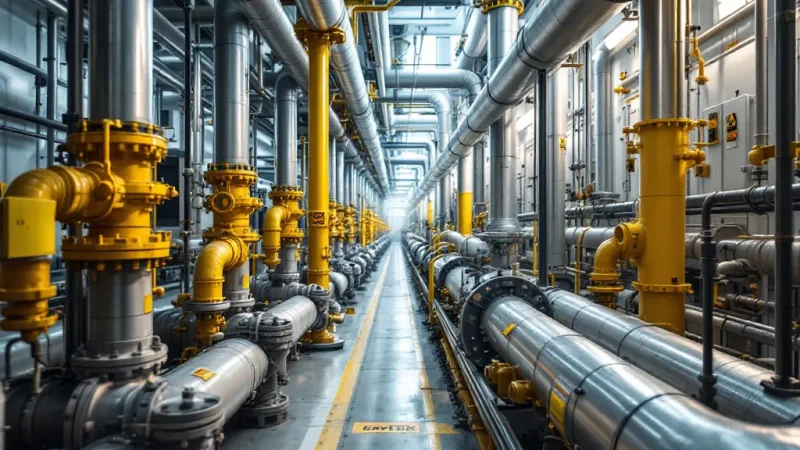
The Engineering Behind Industrial and Manufacturing Air Purification Filters
 Industrial and manufacturing facilities are often faced with the challenge of maintaining clean air within their environments. This is crucial not only for the health and safety of workers but also for ensuring compliance with environmental regulations. One of the most effective solutions for air purification in these settings is the use of advanced filtration systems, such as the jet venturi scrubber. These systems are designed to remove contaminants from the air, ensuring a safer and more efficient working environment.
The Importance of Air Purification in Industrial Settings
Air purification in industrial and manufacturing settings is essential for several reasons:
- Health and Safety: Removing harmful pollutants from the air helps protect workers from respiratory issues and other health problems.
- Regulatory Compliance: Many industries are subject to strict air quality regulations, and effective air purification systems help ensure compliance.
- Equipment Longevity: Clean air reduces wear and tear on machinery, leading to longer equipment life and reduced maintenance costs.
Types of Air Purification Filters
There are several types of air purification filters used in industrial settings, each with its own unique advantages:
- HEPA Filters: High-Efficiency Particulate Air (HEPA) filters are designed to capture very small particles, making them ideal for environments where fine dust and allergens are a concern.
- Activated Carbon Filters: These filters are effective at removing odors and volatile organic compounds (VOCs) from the air.
- Electrostatic Precipitators: These devices use an electric charge to remove particles from the air, making them effective for capturing smoke and dust.
- Wet Scrubbers: Wet scrubbers use a liquid to wash unwanted pollutants from a gas stream, making them effective for removing gases and particulates.
The Engineering Behind Wet Scrubbers
Wet scrubbers are a popular choice for industrial air purification due to their ability to handle high temperatures and moisture levels. They work by introducing a scrubbing liquid, usually water, into the contaminated air stream. The liquid captures and removes pollutants, which are then collected and disposed of.
Ejector Venturi Gas Scrubber
The ejector venturi scrubber design calculation is a critical aspect of ensuring these systems operate efficiently. This type of scrubber uses a venturi-shaped chamber to accelerate the gas stream, increasing the contact between the gas and the scrubbing liquid. This enhanced contact improves the removal efficiency of the system.
Multi Venturi Scrubber System
The multi venturi scrubber system is another advanced design that incorporates multiple venturi tubes to increase the surface area for gas-liquid interaction. This design is particularly effective in applications where high removal efficiency is required for both particulates and gases.
MVS Vane Venturi Scrubber
The MVS vane venturi scrubber is a variation that includes vanes to create turbulence in the gas stream. This turbulence enhances the mixing of the gas and liquid, further improving the scrubber’s efficiency.
Factors Influencing Scrubber Performance
Several factors can influence the performance of a scrubber system:
- Gas Velocity: Higher velocities can improve contact between the gas and liquid but may also increase pressure drop.
- Liquid-to-Gas Ratio: The ratio of scrubbing liquid to gas flow is crucial for optimizing pollutant removal.
- Scrubbing Liquid Properties: The chemical composition and temperature of the scrubbing liquid can affect the system’s efficiency.
FAQs
What are the main benefits of using wet scrubbers in industrial settings?
Wet scrubbers are highly effective at removing both particulates and gases from industrial exhaust streams. They can handle high temperatures and moisture levels, making them versatile for various applications. Additionally, they help industries comply with environmental regulations by reducing emissions.
How does an ejector venturi gas scrubber work?
An ejector venturi gas scrubber works by accelerating the gas stream through a venturi-shaped chamber. This increases the contact between the gas and the scrubbing liquid, enhancing the removal of pollutants. The design is particularly effective for capturing fine particulates and gases.
What maintenance is required for a multi venturi scrubber system?
Regular maintenance of a multi venturi scrubber system includes checking for blockages in the venturi tubes, ensuring the scrubbing liquid is at the correct level and composition, and inspecting the system for wear and tear. Proper maintenance ensures optimal performance and longevity of the system.
Conclusion
Industrial and manufacturing air purification filters, such as wet scrubbers, play a crucial role in maintaining clean air within facilities. By understanding the engineering behind these systems, industries can select the most appropriate solutions for their specific needs. Whether it’s the advanced design of an ejector venturi gas scrubber or the efficiency of a multi venturi scrubber system, these technologies are essential for ensuring a safe and compliant working environment. For more information on air purification technologies, you can visit reputable sources like the EPA’s Air Research page or the OSHA’s Air Contaminants guidelines.