Sustainable Structural Design
Introduction
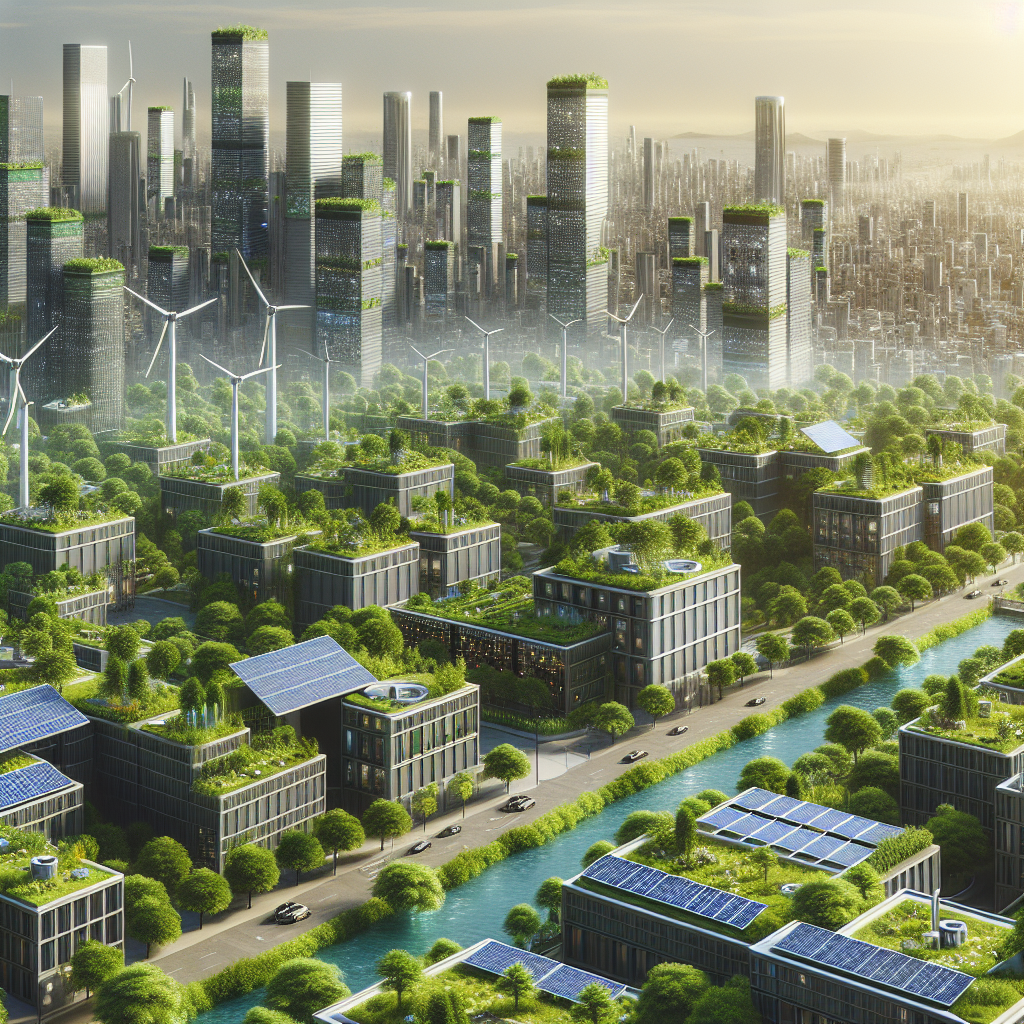
Sustainable structural design is a critical aspect of modern engineering that focuses on creating structures that are not only safe and functional but also environmentally responsible and resource-efficient. As the world grapples with the challenges of climate change, resource depletion, and environmental degradation, the importance of sustainable practices in engineering has never been more pronounced. This article delves into the various facets of sustainable structural design, exploring its principles, historical development, applications, advanced topics, challenges, and future trends.
Fundamentals
Basic Principles and Concepts
Sustainable structural design is grounded in the principles of sustainability, which aim to meet the needs of the present without compromising the ability of future generations to meet their own needs. In the context of structural engineering, this involves designing buildings and infrastructure that minimize environmental impact, optimize resource use, and enhance the well-being of occupants.
Key Terms and Definitions
- Sustainability: The ability to maintain or improve the quality of life while preserving the capacity of the ecosystem to support it.
- Life Cycle Assessment (LCA): A method used to evaluate the environmental impacts of a product or system throughout its entire life cycle, from raw material extraction to disposal.
- Embodied Energy: The total energy required to produce a building material, including extraction, processing, manufacturing, and transportation.
- Green Building: A building that, in its design, construction, or operation, reduces or eliminates negative impacts on the environment and climate.
Theories and Concepts
Several theories underpin sustainable structural design, including:
- Cradle-to-Cradle Design: A biomimetic approach to the design of products and systems that models human industry on nature’s processes, viewing materials as nutrients circulating in healthy, safe metabolisms.
- Biophilic Design: An approach that seeks to connect building occupants more closely to nature, incorporating natural elements into the built environment to improve well-being and productivity.
- Passive Design: Design strategies that use natural energy sources such as sunlight and wind to maintain comfortable indoor conditions, reducing the need for mechanical heating and cooling.
Historical Development
Early Developments
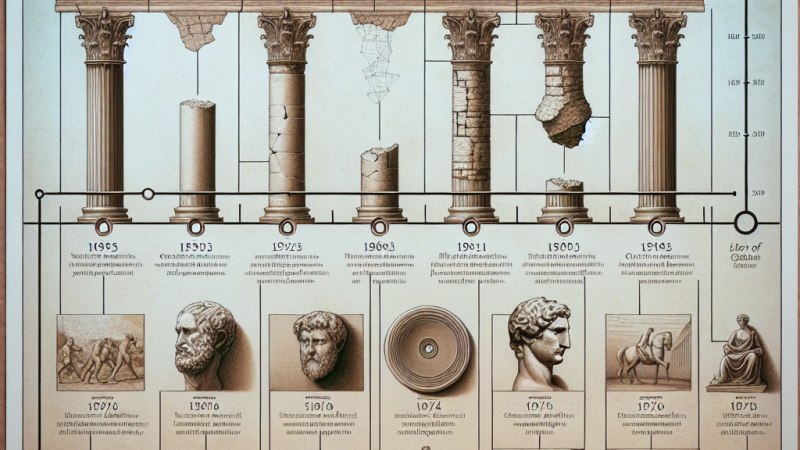
The concept of sustainability in construction is not new. Ancient civilizations, such as the Romans and Greeks, employed sustainable practices by using locally sourced materials and designing buildings that took advantage of natural ventilation and lighting. However, the modern movement towards sustainable structural design began in the late 20th century, driven by growing environmental awareness and the oil crises of the 1970s.
Key Milestones
- 1970s: The oil crises highlighted the need for energy-efficient buildings, leading to the development of passive solar design techniques.
- 1990s: The establishment of green building certification systems, such as LEED (Leadership in Energy and Environmental Design) and BREEAM (Building Research Establishment Environmental Assessment Method), provided frameworks for evaluating and promoting sustainable building practices.
- 2000s: Advances in materials science and technology enabled the development of high-performance, sustainable building materials, such as cross-laminated timber (CLT) and recycled steel.
Notable Figures
Several individuals have made significant contributions to the field of sustainable structural design:
- William McDonough: An architect and co-author of “Cradle to Cradle: Remaking the Way We Make Things,” McDonough is a pioneer in sustainable design and circular economy principles.
- Sim Van der Ryn: An architect and educator known for his work in ecological design and sustainable architecture.
- Ken Yeang: A Malaysian architect recognized for his innovative approach to bioclimatic skyscrapers and green architecture.
Applications
Building Construction
Sustainable structural design is widely applied in the construction of residential, commercial, and institutional buildings. Techniques such as passive solar design, natural ventilation, and the use of sustainable materials help reduce energy consumption and environmental impact. For example, the Bullitt Center in Seattle, often referred to as the “greenest commercial building in the world,” incorporates features like rainwater harvesting, composting toilets, and a rooftop solar array.
Infrastructure Projects
Sustainable principles are also applied in the design and construction of infrastructure projects, such as bridges, roads, and tunnels. The use of recycled materials, energy-efficient construction methods, and designs that minimize environmental disruption are key considerations. The Millau Viaduct in France, for instance, was designed to minimize its impact on the surrounding landscape and reduce material usage through innovative engineering techniques.
Industrial Applications
In the industrial sector, sustainable structural design is used to create energy-efficient factories and warehouses. Techniques such as daylighting, green roofs, and energy recovery systems help reduce operational costs and environmental impact. The Tesla Gigafactory in Nevada is an example of a sustainable industrial facility, featuring extensive use of renewable energy and advanced energy management systems.
Advanced Topics
Recent Research and Innovations
Recent research in sustainable structural design has focused on developing new materials and technologies that enhance sustainability. Innovations such as self-healing concrete, which can repair its own cracks, and phase-change materials, which absorb and release thermal energy, are pushing the boundaries of what is possible in sustainable construction.
Future Trends
The future of sustainable structural design is likely to be shaped by several emerging trends:
- Smart Buildings: The integration of Internet of Things (IoT) technologies into building systems to optimize energy use, enhance occupant comfort, and improve maintenance efficiency.
- Carbon-Neutral Construction: Efforts to achieve net-zero carbon emissions in construction through the use of low-carbon materials, renewable energy, and carbon offsetting strategies.
- Resilient Design: Designing buildings and infrastructure to withstand the impacts of climate change, such as increased temperatures, sea-level rise, and extreme weather events.
Challenges and Considerations
Technical Challenges
One of the primary challenges in sustainable structural design is balancing sustainability with other design requirements, such as safety, functionality, and cost. Achieving this balance often requires innovative engineering solutions and a multidisciplinary approach.
Economic Considerations
While sustainable design can lead to long-term cost savings through reduced energy consumption and maintenance, the initial investment can be higher than conventional construction methods. This can be a barrier for some projects, particularly in regions with limited financial resources.
Regulatory and Policy Challenges
The regulatory environment can also pose challenges, as building codes and standards may not always align with the latest sustainable practices. Advocacy and collaboration with policymakers are essential to drive the adoption of more sustainable regulations.
Potential Solutions
Addressing these challenges requires a combination of strategies:
- Education and Training: Providing education and training for engineers, architects, and construction professionals on sustainable design principles and practices.
- Incentives and Funding: Offering financial incentives, grants, and subsidies to support sustainable construction projects.
- Research and Development: Investing in research and development to advance sustainable materials and technologies.
Conclusion
Sustainable structural design is a vital component of modern engineering, offering a pathway to creating buildings and infrastructure that are environmentally responsible, resource-efficient, and resilient. By understanding the principles, historical development, applications, advanced topics, and challenges associated with sustainable design, engineers can contribute to a more sustainable future. As the field continues to evolve, ongoing research, innovation, and collaboration will be essential to overcoming challenges and driving progress in sustainable structural design.