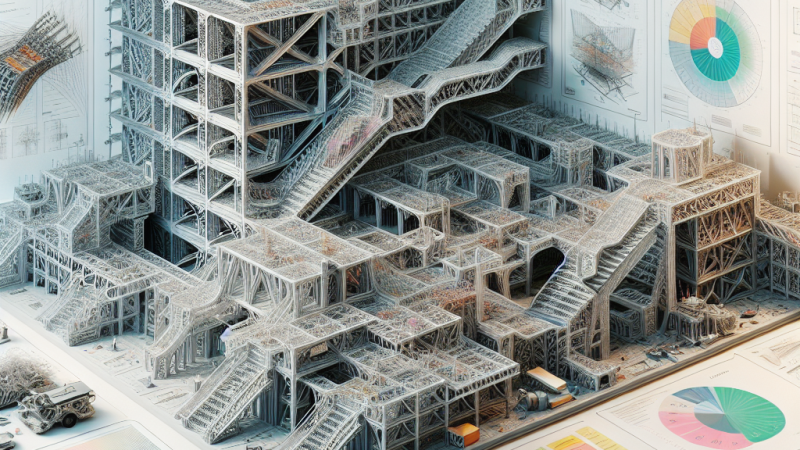
Structural Health Monitoring
Introduction

Structural Health Monitoring (SHM) is a critical aspect of structural analysis in engineering, focusing on the continuous assessment of the integrity and performance of structures. This field has gained significant importance due to the need for ensuring the safety, reliability, and longevity of various structures, including buildings, bridges, dams, and aircraft. SHM involves the use of various sensors, data acquisition systems, and analytical techniques to detect and diagnose damage or deterioration in structures. By providing real-time information about the condition of a structure, SHM helps in making informed decisions regarding maintenance, repair, and rehabilitation, thereby preventing catastrophic failures and extending the service life of structures.
Fundamentals
Basic Principles and Concepts
Structural Health Monitoring is based on the principle of continuous or periodic observation of a structure’s response to operational and environmental loads. The primary goal is to detect any changes that may indicate damage or degradation. The key components of an SHM system include:
- Sensors: Devices that measure physical quantities such as strain, displacement, acceleration, temperature, and acoustic emissions.
- Data Acquisition Systems: Hardware and software systems that collect, process, and store data from sensors.
- Data Analysis Techniques: Methods used to interpret the collected data and identify any anomalies or patterns indicative of damage.
- Decision-Making Algorithms: Algorithms that assess the condition of the structure and provide recommendations for maintenance or repair.
Key Terms
- Damage Detection: The process of identifying the presence of damage in a structure.
- Prognosis: The prediction of the future condition of a structure based on current and historical data.
- Modal Analysis: A technique used to determine the dynamic characteristics of a structure, such as natural frequencies and mode shapes.
- Non-Destructive Testing (NDT): Methods used to evaluate the condition of a structure without causing any damage.
Historical Development
The concept of Structural Health Monitoring has evolved over several decades, with significant advancements in sensor technology, data acquisition systems, and analytical techniques. The historical development of SHM can be traced back to the following key milestones:
- 1960s: The early development of SHM began with the use of strain gauges and accelerometers to monitor the response of structures to loads.
- 1970s: The introduction of digital data acquisition systems allowed for more accurate and efficient data collection and analysis.
- 1980s: The development of advanced signal processing techniques and modal analysis methods enabled more precise damage detection and localization.
- 1990s: The advent of wireless sensor networks and remote monitoring systems revolutionized the field of SHM, allowing for real-time monitoring of large and complex structures.
- 2000s: The integration of machine learning and artificial intelligence techniques into SHM systems enhanced the ability to predict and diagnose damage.
Notable figures in the field of SHM include Professor Fu-Kuo Chang from Stanford University, who has made significant contributions to the development of smart structures and sensor technologies, and Professor Daniel Inman from the University of Michigan, known for his work on vibration-based damage detection methods.
Applications
Structural Health Monitoring has a wide range of applications across various industries and fields. Some of the key applications include:
Civil Engineering
In civil engineering, SHM is used to monitor the condition of infrastructure such as bridges, buildings, dams, and tunnels. For example, the Golden Gate Bridge in San Francisco is equipped with an SHM system that continuously monitors its structural integrity, providing valuable data for maintenance and safety assessments.
Aerospace Engineering
In the aerospace industry, SHM is used to ensure the safety and reliability of aircraft and spacecraft. Sensors are installed on critical components such as wings, fuselage, and engines to detect any signs of fatigue or damage. The Boeing 787 Dreamliner, for instance, incorporates an SHM system to monitor the health of its composite structures.
Marine Engineering
SHM is also applied in marine engineering to monitor the condition of ships, offshore platforms, and underwater pipelines. For example, the SHM system on the Øresund Bridge, which connects Denmark and Sweden, monitors the structural health of the bridge’s underwater foundations and superstructure.
Energy Sector
In the energy sector, SHM is used to monitor the condition of wind turbines, nuclear reactors, and power transmission lines. For instance, wind turbines are equipped with sensors that measure vibrations and loads to detect any signs of damage or wear, ensuring their efficient and safe operation.
Advanced Topics
Recent Research and Innovations
Recent research in the field of SHM has focused on the development of advanced sensor technologies, data analysis techniques, and machine learning algorithms. Some of the notable innovations include:
- Smart Sensors: The development of smart sensors with integrated data processing capabilities has enhanced the efficiency and accuracy of SHM systems.
- Wireless Sensor Networks: The use of wireless sensor networks has enabled real-time monitoring of large and complex structures without the need for extensive cabling.
- Machine Learning Algorithms: The integration of machine learning algorithms into SHM systems has improved the ability to detect and diagnose damage based on large datasets.
- Digital Twins: The concept of digital twins, which involves creating a virtual replica of a physical structure, has gained traction in SHM. Digital twins allow for real-time simulation and analysis of structural behavior under various conditions.
Future Trends
The future of SHM is likely to be shaped by advancements in sensor technology, data analytics, and artificial intelligence. Some of the emerging trends include:
- Internet of Things (IoT): The integration of IoT technology into SHM systems will enable more efficient data collection and analysis, leading to improved decision-making.
- Autonomous Monitoring Systems: The development of autonomous monitoring systems that can operate without human intervention will enhance the reliability and efficiency of SHM.
- Predictive Maintenance: The use of predictive maintenance techniques, which involve predicting the future condition of a structure based on current and historical data, will help in optimizing maintenance schedules and reducing costs.
Challenges and Considerations
Despite the numerous benefits of SHM, there are several challenges and considerations that need to be addressed:
Data Management
The large volume of data generated by SHM systems can be overwhelming, making it difficult to store, process, and analyze the data effectively. Advanced data management techniques and cloud-based solutions are needed to address this challenge.
Sensor Reliability
The reliability and accuracy of sensors are critical for the effectiveness of SHM systems. Ensuring the long-term performance of sensors in harsh environmental conditions is a significant challenge.
Cost
The cost of implementing and maintaining SHM systems can be high, especially for large and complex structures. Developing cost-effective solutions without compromising on performance is essential.
Standardization
The lack of standardized protocols and guidelines for SHM poses a challenge for the widespread adoption of the technology. Developing industry standards and best practices is necessary to ensure consistency and reliability.
Data Interpretation
Interpreting the data collected by SHM systems requires specialized knowledge and expertise. Developing user-friendly tools and training programs for engineers and technicians is important for effective data interpretation.
Conclusion
Structural Health Monitoring is a vital aspect of structural analysis in engineering, offering numerous benefits in terms of safety, reliability, and cost-effectiveness. By providing real-time information about the condition of structures, SHM helps in making informed decisions regarding maintenance, repair, and rehabilitation. The field has evolved significantly over the years, with advancements in sensor technology, data acquisition systems, and analytical techniques. Despite the challenges associated with SHM, ongoing research and innovations hold promise for addressing these issues and further enhancing the capabilities of SHM systems. As the technology continues to advance, SHM is expected to play an increasingly important role in ensuring the safety and longevity of critical infrastructure across various industries.