Structural Analysis in Long-Span Structures
Introduction
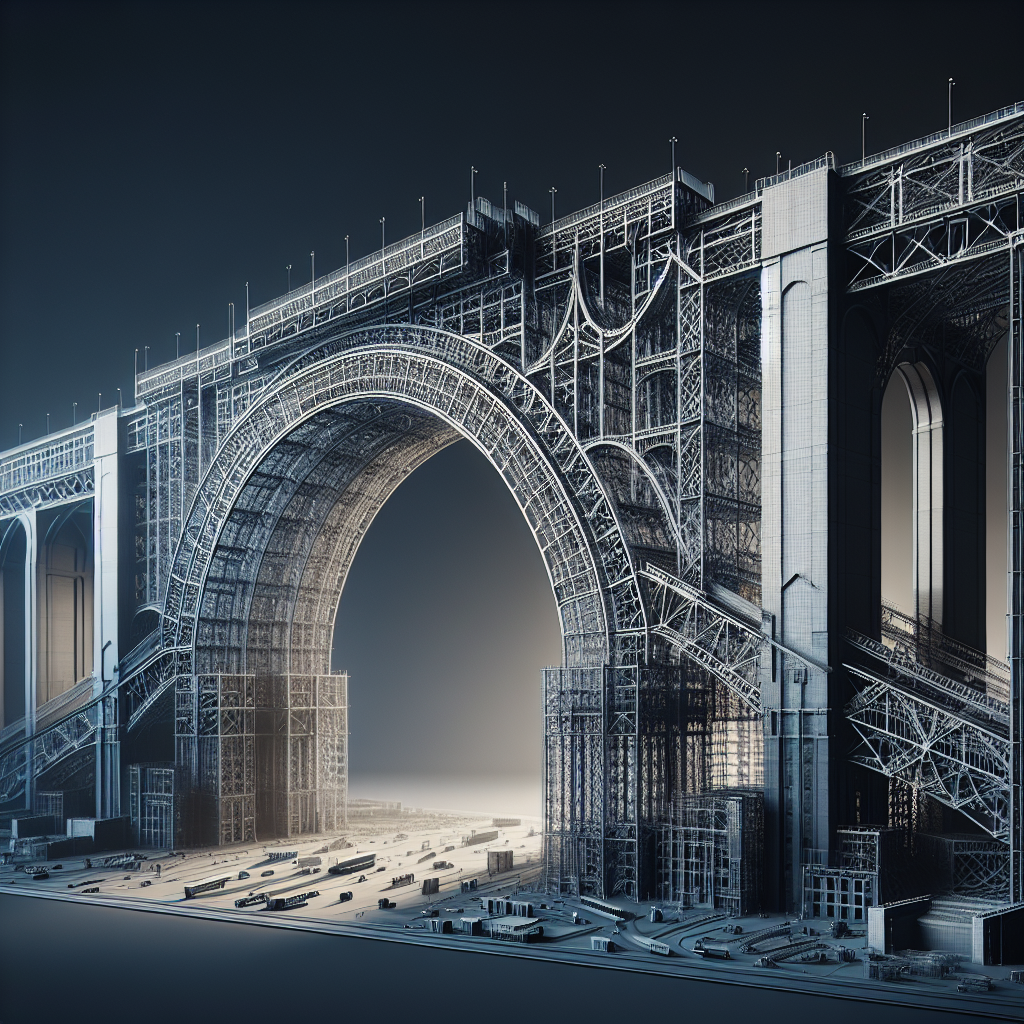
Structural analysis in long-span structures is a critical area within the field of structural engineering. Long-span structures, such as bridges, stadiums, and large roof systems, are designed to cover extensive distances without intermediate supports. These structures are essential in modern infrastructure, enabling the construction of expansive, unobstructed spaces that serve various functional and aesthetic purposes. The importance of structural analysis in these projects cannot be overstated, as it ensures the safety, stability, and longevity of the structures. This article delves into the fundamentals, historical development, applications, advanced topics, and challenges associated with structural analysis in long-span structures.
Fundamentals
Structural analysis involves evaluating the effects of loads on physical structures and their components. In the context of long-span structures, this analysis is crucial due to the unique challenges posed by the extensive distances these structures cover. Key principles and concepts include:
Load Types
Long-span structures are subjected to various loads, including:
- Dead Loads: Permanent loads due to the weight of the structure itself.
- Live Loads: Variable loads from occupants, furniture, vehicles, etc.
- Environmental Loads: Loads from wind, snow, earthquakes, and temperature changes.
Structural Systems
Several structural systems are employed in long-span structures, such as:
- Trusses: Frameworks consisting of triangular units that distribute loads efficiently.
- Arches: Curved structures that transfer loads primarily through compression.
- Cable-Stayed and Suspension Systems: Utilize cables to support the structure, allowing for longer spans.
Material Properties
The choice of materials significantly impacts the performance of long-span structures. Common materials include steel, concrete, and composite materials, each with distinct properties such as strength, flexibility, and durability.
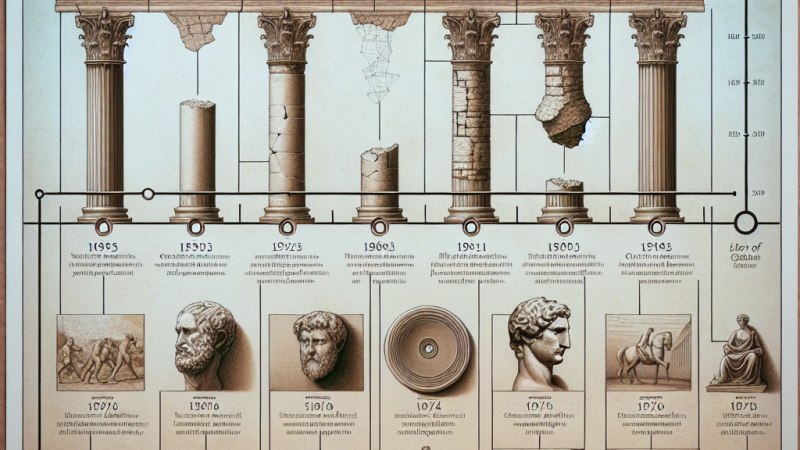
Historical Development
The evolution of long-span structures is marked by several key milestones and contributions from notable figures:
Ancient and Medieval Periods
Early examples of long-span structures include Roman aqueducts and Gothic cathedrals. The use of arches and vaults allowed for impressive spans and heights.
Industrial Revolution
The advent of iron and steel during the Industrial Revolution revolutionized long-span construction. Notable examples include the Eiffel Tower and the Brooklyn Bridge, which showcased the potential of these new materials.
20th Century and Beyond
The 20th century saw significant advancements in materials and construction techniques. Innovations such as prestressed concrete and computer-aided design (CAD) enabled the construction of even more ambitious structures, such as the Sydney Opera House and the Millau Viaduct.
Applications
Long-span structures are employed in various industries and fields, each with unique requirements and challenges:
Bridges
Bridges are quintessential examples of long-span structures. They facilitate transportation across obstacles such as rivers and valleys. Notable examples include:
- Golden Gate Bridge: A suspension bridge in San Francisco known for its iconic design and engineering prowess.
- Akashi Kaikyō Bridge: The world’s longest suspension bridge, spanning 1,991 meters in Japan.
Sports Stadiums
Stadiums require large, unobstructed spaces to accommodate spectators. Examples include:
- Beijing National Stadium: Also known as the “Bird’s Nest,” this stadium features an innovative steel lattice structure.
- Wembley Stadium: In London, it boasts a retractable roof supported by a massive arch.
Airports and Hangars
Airports and aircraft hangars require vast, open spaces for aircraft movement and storage. Examples include:
- Denver International Airport: Features a distinctive tent-like roof structure.
- Boeing Everett Factory: The world’s largest building by volume, used for aircraft assembly.
Advanced Topics
Recent research and innovations have led to advanced concepts and techniques in the structural analysis of long-span structures:
Finite Element Analysis (FEA)
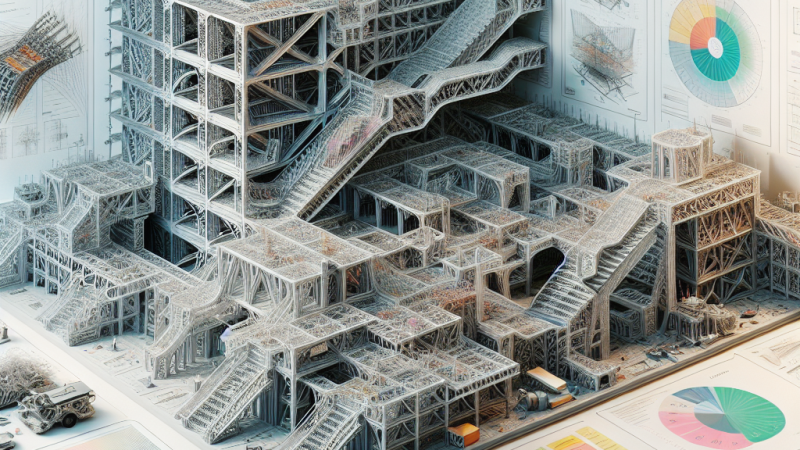
FEA is a computational technique that divides a structure into smaller elements to analyze complex stress and strain distributions. It allows for more accurate predictions of structural behavior under various loads.
Smart Materials and Structures
Smart materials, such as shape-memory alloys and piezoelectric materials, can adapt to changing conditions. Integrating these materials into long-span structures can enhance their performance and resilience.
Sustainability and Green Design
There is a growing emphasis on sustainable design in long-span structures. Innovations include the use of recycled materials, energy-efficient systems, and designs that minimize environmental impact.
Challenges and Considerations
Despite advancements, several challenges and considerations remain in the structural analysis of long-span structures:
Complex Load Interactions
Long-span structures are subjected to complex load interactions, including dynamic loads from wind and seismic activity. Accurate modeling and analysis are essential to ensure safety and performance.
Material Limitations
While modern materials offer significant advantages, they also have limitations. For example, steel is susceptible to corrosion, and concrete can crack under certain conditions. Ongoing research aims to develop materials with improved properties.
Cost and Feasibility
The construction of long-span structures can be costly and time-consuming. Balancing design ambitions with budget constraints is a critical consideration for engineers and architects.
Maintenance and Durability
Ensuring the long-term durability of these structures requires regular maintenance and monitoring. Advanced techniques, such as structural health monitoring (SHM), are employed to detect and address potential issues early.
Conclusion
Structural analysis in long-span structures is a vital aspect of modern engineering, enabling the construction of impressive and functional spaces that serve various purposes. From ancient arches to contemporary stadiums and bridges, the evolution of long-span structures reflects the ingenuity and innovation of engineers and architects. While challenges remain, ongoing research and advancements in materials, computational techniques, and sustainable design promise a future where long-span structures continue to push the boundaries of what is possible. The importance of this field in ensuring the safety, stability, and longevity of our built environment cannot be overstated.