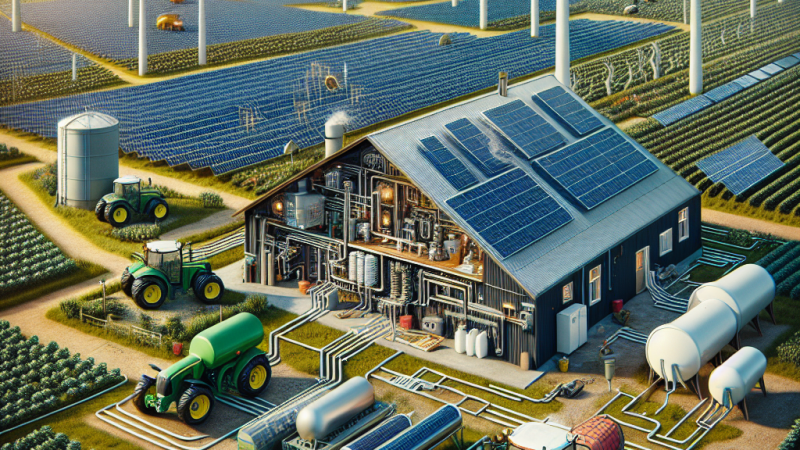
Energy Systems in Process Engineering
Introduction

Energy systems in process engineering are a cornerstone of modern industrial operations, playing a critical role in the efficient conversion, distribution, and utilization of energy. These systems are integral to a wide range of industries, including chemical manufacturing, oil and gas, pharmaceuticals, and food processing. The importance of energy systems in engineering cannot be overstated, as they directly impact operational efficiency, cost-effectiveness, and environmental sustainability. This article delves into the various aspects of energy systems in process engineering, providing a comprehensive overview of their fundamentals, historical development, applications, advanced topics, challenges, and future trends.
Fundamentals
Basic Principles and Concepts
Energy systems in process engineering involve the study and application of energy conversion processes, energy management, and the optimization of energy use in industrial settings. Key principles include:
- Energy Conversion: The transformation of energy from one form to another, such as converting chemical energy in fuels to thermal energy through combustion.
- Energy Efficiency: The ratio of useful energy output to the total energy input, aiming to minimize energy losses in processes.
- Thermodynamics: The study of energy and its transformations, governed by the laws of thermodynamics which dictate how energy is conserved and transferred.
- Heat Transfer: The movement of thermal energy from one place to another, through conduction, convection, or radiation.
- Mass and Energy Balances: Fundamental calculations that ensure the conservation of mass and energy in a process system.
Key Terms
- Exergy: The measure of the quality or usefulness of energy, indicating the maximum work potential of a system.
- Cogeneration: The simultaneous production of electricity and useful heat from the same energy source.
- Pinch Analysis: A technique for optimizing energy use in processes by identifying the minimum energy requirements and opportunities for heat recovery.
- Renewable Energy: Energy derived from natural sources that are replenished on a human timescale, such as solar, wind, and biomass.
Historical Development
The development of energy systems in process engineering has been marked by significant milestones and contributions from notable figures. The Industrial Revolution in the 18th and 19th centuries laid the groundwork for modern energy systems, with the advent of steam engines and the widespread use of coal. Key historical developments include:
- James Watt: Improved the efficiency of steam engines, leading to their widespread adoption in industry.
- Rudolf Diesel: Invented the diesel engine, which became a crucial technology for transportation and industrial applications.
- Thermodynamics: The formulation of the laws of thermodynamics by scientists such as Sadi Carnot, Rudolf Clausius, and Lord Kelvin provided a theoretical foundation for energy systems.
- 20th Century Innovations: The development of gas turbines, nuclear power, and advancements in renewable energy technologies expanded the scope and capabilities of energy systems.
Applications
Energy systems in process engineering have a wide range of practical applications across various industries. These applications are essential for improving efficiency, reducing costs, and minimizing environmental impact. Some notable examples include:
Chemical Manufacturing
In the chemical industry, energy systems are used to optimize processes such as distillation, reaction engineering, and heat exchange. For instance, pinch analysis can be applied to identify opportunities for heat integration, reducing the overall energy consumption of a chemical plant.
Oil and Gas
The oil and gas industry relies heavily on energy systems for refining, petrochemical production, and natural gas processing. Techniques such as cogeneration are employed to produce both electricity and steam from the same fuel source, enhancing energy efficiency.
Pharmaceuticals
Pharmaceutical manufacturing involves energy-intensive processes such as drying, sterilization, and crystallization. Energy systems are crucial for optimizing these processes to ensure product quality and reduce operational costs.
Food Processing
In the food industry, energy systems are used for processes like pasteurization, refrigeration, and drying. Efficient energy management is vital for maintaining product quality and safety while minimizing energy consumption.
Case Study: Heat Recovery in a Chemical Plant
A chemical plant implemented a heat recovery system to capture waste heat from exothermic reactions and use it to preheat feedstock. This resulted in a 20% reduction in energy consumption and significant cost savings, demonstrating the practical benefits of energy systems in process engineering.
Advanced Topics
Recent Research and Innovations
Recent advancements in energy systems in process engineering have focused on improving efficiency, integrating renewable energy sources, and reducing environmental impact. Some notable areas of research include:
- Advanced Heat Exchangers: Development of high-efficiency heat exchangers with enhanced heat transfer capabilities and reduced fouling.
- Energy Storage: Innovations in energy storage technologies, such as batteries and thermal storage, to support the integration of intermittent renewable energy sources.
- Process Intensification: Techniques to make processes more efficient and compact, such as microreactors and membrane technologies.
- Artificial Intelligence: Application of AI and machine learning for predictive maintenance, process optimization, and energy management.
Future Trends
The future of energy systems in process engineering is likely to be shaped by several key trends:
- Decarbonization: Efforts to reduce carbon emissions through the adoption of renewable energy sources, carbon capture and storage, and energy-efficient technologies.
- Digitalization: Increased use of digital tools and data analytics for real-time monitoring and optimization of energy systems.
- Integration of Renewable Energy: Greater integration of solar, wind, and other renewable energy sources into industrial processes.
- Circular Economy: Emphasis on resource efficiency and waste minimization through the implementation of circular economy principles.
Challenges and Considerations
Despite the numerous benefits of energy systems in process engineering, several challenges and considerations must be addressed:
Technical Challenges
- Complexity: Designing and optimizing energy systems can be complex, requiring advanced modeling and simulation tools.
- Integration: Integrating new technologies with existing infrastructure can be challenging and may require significant investment.
- Reliability: Ensuring the reliability and stability of energy systems, especially when integrating renewable energy sources, is crucial.
Economic Considerations
- Cost: The initial investment for advanced energy systems can be high, and the economic feasibility must be carefully evaluated.
- Return on Investment: Calculating the return on investment for energy efficiency projects can be complex and may involve long payback periods.
Environmental and Regulatory Considerations
- Environmental Impact: Assessing and mitigating the environmental impact of energy systems is essential for sustainable development.
- Regulations: Compliance with environmental regulations and standards can influence the design and operation of energy systems.
Potential Solutions
Addressing these challenges requires a multifaceted approach:
- Research and Development: Continued investment in R&D to develop innovative technologies and solutions.
- Collaboration: Collaboration between industry, academia, and government to share knowledge and resources.
- Policy Support: Supportive policies and incentives to encourage the adoption of energy-efficient technologies.
- Education and Training: Providing education and training to engineers and technicians to build expertise in energy systems.
Conclusion
Energy systems in process engineering are vital for the efficient and sustainable operation of industrial processes. By understanding the fundamental principles, historical development, practical applications, advanced topics, and challenges associated with these systems, engineers can design and optimize processes that maximize energy efficiency and minimize environmental impact. As the field continues to evolve, ongoing research, innovation, and collaboration will be essential to address emerging challenges and capitalize on new opportunities. The importance of energy systems in engineering cannot be overstated, as they play a crucial role in shaping the future of industrial operations and contributing to a more sustainable world.