Energy Systems in Civil Engineering
Introduction
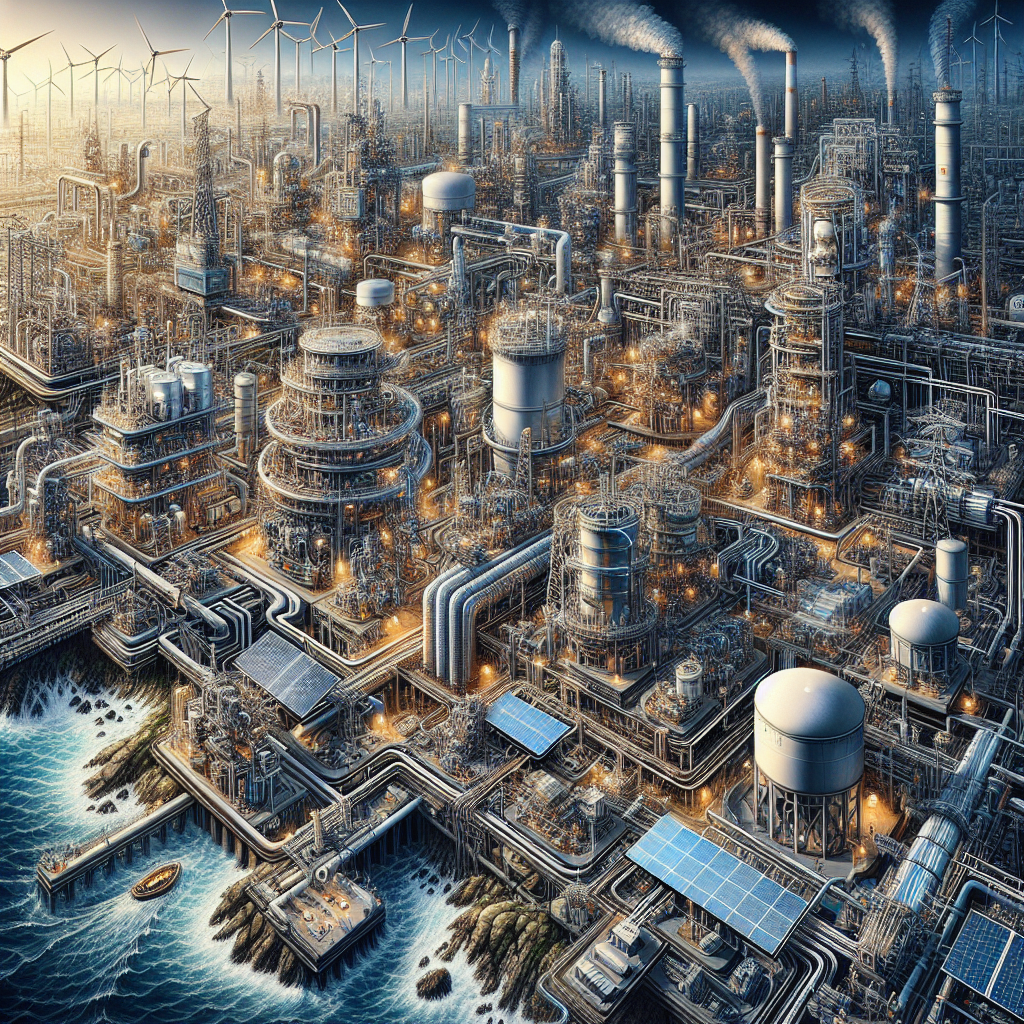
Energy systems in civil engineering play a crucial role in the design, construction, and maintenance of infrastructure that supports modern society. As the world grapples with the challenges of climate change, resource depletion, and increasing energy demands, the integration of efficient and sustainable energy systems in civil engineering projects has become more important than ever. This article delves into the significance of energy systems in civil engineering, exploring their fundamental principles, historical development, practical applications, advanced topics, challenges, and future trends.
Fundamentals
Basic Principles and Concepts
Energy systems in civil engineering encompass a wide range of technologies and methodologies aimed at optimizing energy use in infrastructure projects. These systems are designed to enhance energy efficiency, reduce environmental impact, and ensure the sustainability of built environments. Key concepts in this field include:
- Energy Efficiency: The goal of minimizing energy consumption while maintaining or improving the performance of a system or structure.
- Renewable Energy: Energy derived from natural sources that are replenished on a human timescale, such as solar, wind, and geothermal energy.
- Energy Storage: Technologies and methods used to store energy for later use, including batteries, pumped hydro storage, and thermal storage.
- Smart Grids: Advanced electrical grids that use digital communication technology to detect and react to local changes in usage, improving efficiency and reliability.
- Building Energy Management Systems (BEMS): Systems that monitor and control the energy usage of buildings to optimize performance and reduce waste.
Theories and Key Terms
Several theories underpin the design and implementation of energy systems in civil engineering:
- Thermodynamics: The study of energy, heat, and work, and how they interact within physical systems.
- Life Cycle Assessment (LCA): A methodology for assessing the environmental impacts associated with all stages of a product’s life, from raw material extraction to disposal.
- Energy Modeling: The use of computational tools to simulate the energy performance of buildings and infrastructure, aiding in the design of energy-efficient systems.
Historical Development
Early Innovations
The integration of energy systems in civil engineering has evolved significantly over time. Early innovations focused on basic principles of energy conservation and efficiency. For instance, ancient civilizations like the Romans and Greeks utilized passive solar design in their architecture, orienting buildings to maximize natural light and heat.
Industrial Revolution
The Industrial Revolution marked a significant turning point, with the advent of steam engines and the widespread use of coal. This period saw the development of large-scale infrastructure projects, such as railways and bridges, which required substantial energy inputs. Engineers began to explore ways to optimize energy use in these projects, laying the groundwork for modern energy systems.
20th Century and Beyond
The 20th century brought about significant advancements in energy systems, driven by the need for more efficient and sustainable solutions. The oil crises of the 1970s spurred interest in renewable energy sources, leading to the development of solar panels, wind turbines, and other technologies. In recent decades, the focus has shifted towards integrating these renewable sources into the built environment, along with advancements in energy storage and smart grid technologies.
Applications
Building Design and Construction
One of the most prominent applications of energy systems in civil engineering is in building design and construction. Energy-efficient buildings incorporate various technologies and strategies to reduce energy consumption and environmental impact. Examples include:
- Green Building Certifications: Programs like LEED (Leadership in Energy and Environmental Design) and BREEAM (Building Research Establishment Environmental Assessment Method) set standards for energy efficiency and sustainability in building design.
- Passive Design: Techniques that utilize natural resources, such as sunlight and wind, to reduce the need for artificial heating, cooling, and lighting.
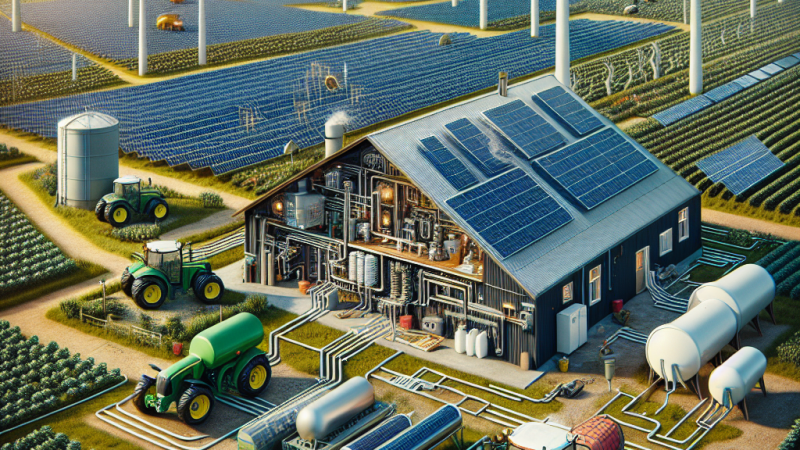
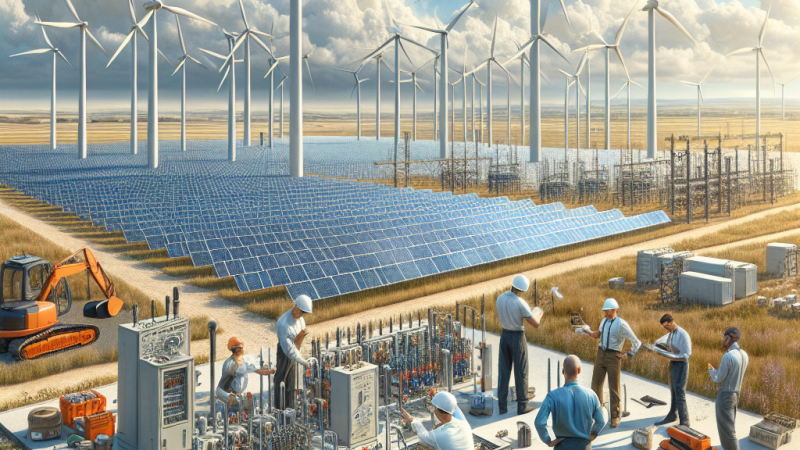
- Renewable Energy Integration: Incorporating solar panels, wind turbines, and geothermal systems into building designs to generate clean energy on-site.
Transportation Infrastructure
Energy systems also play a vital role in the design and operation of transportation infrastructure. Examples include:
- Electric Vehicle (EV) Charging Stations: The development of EV charging infrastructure to support the growing adoption of electric vehicles.
- Energy-Efficient Public Transit: The use of energy-efficient technologies in buses, trains, and other public transit systems to reduce energy consumption and emissions.
- Smart Traffic Management: Systems that optimize traffic flow and reduce congestion, leading to lower energy use and emissions.
Water and Waste Management
Energy systems are also integral to water and waste management infrastructure. Examples include:
- Energy-Efficient Water Treatment: Technologies that reduce the energy required for water treatment and distribution, such as advanced filtration systems and energy recovery devices.
- Waste-to-Energy: Processes that convert waste materials into usable energy, such as biogas production from organic waste.
Advanced Topics
Recent Research and Innovations
Recent research in energy systems in civil engineering has focused on several advanced topics:
- Net-Zero Energy Buildings (NZEBs): Buildings that produce as much energy as they consume over a year, achieved through a combination of energy efficiency measures and renewable energy generation.
- Smart Cities: Urban areas that use digital technology to enhance the efficiency and sustainability of infrastructure, including energy systems.
- Advanced Energy Storage: Innovations in energy storage technologies, such as solid-state batteries and supercapacitors, that offer higher efficiency and capacity.
Future Trends
The future of energy systems in civil engineering is likely to be shaped by several emerging trends:
- Decentralized Energy Systems: The shift towards localized energy generation and distribution, reducing reliance on centralized power grids.
- Integration of Artificial Intelligence (AI): The use of AI to optimize energy systems, predict energy demand, and enhance the efficiency of infrastructure.
- Resilient Infrastructure: Designing infrastructure that can withstand and adapt to the impacts of climate change, including extreme weather events and rising sea levels.
Challenges and Considerations
Technical Challenges
Despite the advancements in energy systems, several technical challenges remain:
- Energy Storage: Developing cost-effective and efficient energy storage solutions to address the intermittent nature of renewable energy sources.
- Grid Integration: Integrating renewable energy sources into existing power grids without compromising stability and reliability.
- Scalability: Scaling up advanced energy systems to meet the demands of large infrastructure projects.
Economic and Regulatory Considerations
Economic and regulatory factors also play a significant role in the adoption of energy systems:
- Cost: The high initial costs of advanced energy systems can be a barrier to adoption, particularly in developing regions.
- Policy and Incentives: Government policies and incentives are crucial in promoting the adoption of energy-efficient and renewable technologies.
- Standards and Codes: The development and enforcement of standards and codes to ensure the quality and performance of energy systems.
Environmental and Social Considerations
Environmental and social considerations are also critical:
- Environmental Impact: Assessing and mitigating the environmental impacts of energy systems, including resource extraction and waste generation.
- Social Acceptance: Ensuring that energy systems are socially acceptable and do not disproportionately impact vulnerable communities.
Conclusion
Energy systems in civil engineering are essential for creating sustainable, efficient, and resilient infrastructure. From building design and transportation to water and waste management, these systems play a vital role in reducing energy consumption and environmental impact. While significant advancements have been made, ongoing research and innovation are crucial to addressing the technical, economic, regulatory, environmental, and social challenges associated with energy systems. As the world continues to face the pressing issues of climate change and resource depletion, the importance of energy systems in civil engineering will only continue to grow, shaping the future of our built environment.