Energy Storage Systems: Supercapacitors
Introduction
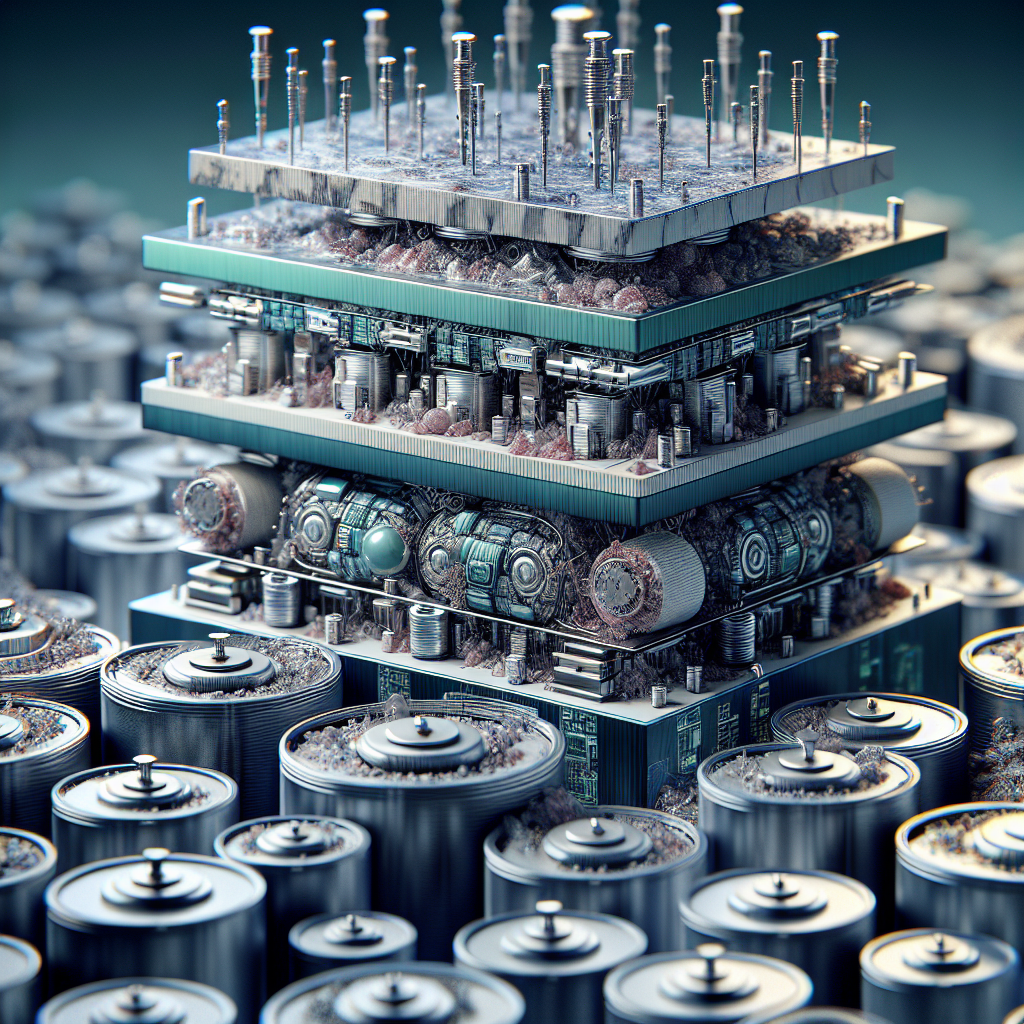
In the rapidly evolving field of energy systems in engineering, energy storage technologies play a pivotal role in ensuring the efficient and reliable supply of power. Among these technologies, supercapacitors have emerged as a significant innovation, offering unique advantages over traditional energy storage systems such as batteries. Supercapacitors, also known as ultracapacitors or electrochemical capacitors, are characterized by their high power density, rapid charge and discharge capabilities, and long cycle life. This article delves into the fundamentals, historical development, applications, advanced topics, and challenges associated with supercapacitors, highlighting their importance and relevance in modern engineering.
Fundamentals
Basic Principles and Concepts
Supercapacitors are energy storage devices that store energy through electrostatic separation of charges. Unlike batteries, which rely on chemical reactions to store and release energy, supercapacitors use an electric field to store energy. This fundamental difference endows supercapacitors with several unique properties.
Key Terms and Definitions
- Capacitance: The ability of a system to store an electric charge, measured in farads (F).
- Power Density: The amount of power (energy per unit time) delivered per unit mass or volume, typically measured in watts per kilogram (W/kg).
- Energy Density: The amount of energy stored per unit mass or volume, typically measured in watt-hours per kilogram (Wh/kg).
- Electrolyte: A medium that allows the flow of electrical charge between the two electrodes of a supercapacitor.
- Electrodes: Conductive materials that facilitate the storage and release of electrical energy in a supercapacitor.
Theories
Supercapacitors operate based on two primary mechanisms: electric double-layer capacitance (EDLC) and pseudocapacitance. EDLC arises from the electrostatic separation of charges at the interface between the electrode and the electrolyte. Pseudocapacitance, on the other hand, involves faradaic reactions (redox reactions) that occur at the electrode surface, contributing to additional capacitance.
Historical Development
Early Innovations
The concept of capacitors dates back to the 18th century with the invention of the Leyden jar, an early form of a capacitor. However, the development of supercapacitors began in the mid-20th century. In 1957, General Electric engineers H. Becker and W. H. Pfann filed a patent for an “electrolytic capacitor with porous carbon electrodes,” laying the groundwork for modern supercapacitors.
Key Milestones
- 1966: Standard Oil of Ohio (SOHIO) developed the first practical supercapacitor, which was later commercialized by NEC in the 1970s.
- 1990s: The introduction of carbon-based materials, such as activated carbon and carbon nanotubes, significantly improved the performance of supercapacitors.
- 2000s: Advances in nanotechnology and materials science led to the development of hybrid supercapacitors, combining EDLC and pseudocapacitance mechanisms.
- 2010s: Research focused on enhancing energy density and developing flexible and wearable supercapacitors for emerging applications.
Notable Figures
Several researchers and engineers have made significant contributions to the development of supercapacitors. Notable figures include Dr. Brian Evans Conway, who pioneered the study of pseudocapacitance, and Dr. Rodney S. Ruoff, known for his work on graphene-based supercapacitors.
Applications
Automotive Industry
Supercapacitors are increasingly used in the automotive industry for applications such as regenerative braking, start-stop systems, and power stabilization in electric and hybrid vehicles. Their ability to deliver high power quickly makes them ideal for these applications.
Renewable Energy Systems
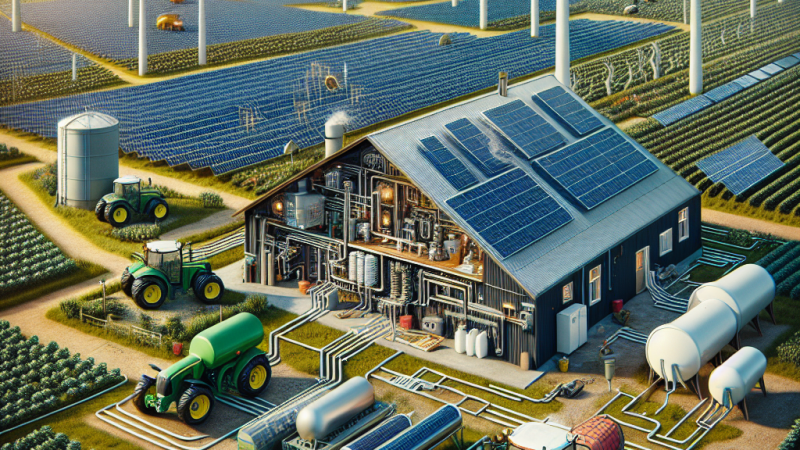
In renewable energy systems, supercapacitors are used to smooth out fluctuations in power generation from sources like solar panels and wind turbines. They provide rapid response times, ensuring a stable supply of power to the grid.
Consumer Electronics
Supercapacitors are also found in consumer electronics, where they provide backup power for memory and real-time clock functions in devices such as computers, cameras, and smartphones. Their long cycle life and rapid charge-discharge capabilities are particularly advantageous in these applications.
Case Studies
One notable case study involves the use of supercapacitors in the Shanghai Metro system. The metro trains are equipped with supercapacitors to capture and store energy during braking, which is then used to power the trains during acceleration. This system has resulted in significant energy savings and reduced operational costs.
Advanced Topics
Recent Research and Innovations
Recent research in the field of supercapacitors has focused on enhancing energy density, which has traditionally been lower than that of batteries. Innovations include the development of novel electrode materials such as graphene, carbon nanotubes, and metal-organic frameworks (MOFs). These materials offer higher surface area and improved conductivity, leading to better performance.
Flexible and Wearable Supercapacitors
The advent of flexible and wearable electronics has spurred interest in developing flexible supercapacitors. Researchers are exploring the use of flexible substrates and printable materials to create supercapacitors that can be integrated into wearable devices, smart textiles, and flexible displays.
Hybrid Supercapacitors
Hybrid supercapacitors combine the advantages of EDLC and pseudocapacitance mechanisms, offering higher energy density while maintaining high power density. These devices typically use a combination of carbon-based materials and transition metal oxides or conducting polymers as electrode materials.
Challenges and Considerations
Energy Density
One of the primary challenges associated with supercapacitors is their relatively low energy density compared to batteries. While they excel in power density, the amount of energy they can store per unit mass or volume is limited. Ongoing research aims to address this limitation by developing new materials and electrode designs.
Cost
The cost of supercapacitors remains a significant consideration, particularly for large-scale applications. The use of advanced materials and manufacturing processes can drive up costs, making it essential to find cost-effective solutions without compromising performance.
Environmental Impact
The environmental impact of supercapacitor production and disposal is another important consideration. Researchers are exploring sustainable materials and recycling methods to minimize the environmental footprint of supercapacitors.
Potential Solutions
- Material Innovation: Developing new materials with higher energy density and lower cost can address some of the key challenges associated with supercapacitors.
- Manufacturing Techniques: Advances in manufacturing techniques, such as roll-to-roll processing and 3D printing, can reduce production costs and improve scalability.
- Recycling and Sustainability: Implementing recycling programs and using environmentally friendly materials can mitigate the environmental impact of supercapacitors.
Conclusion
Supercapacitors represent a critical advancement in the field of energy storage systems, offering unique advantages such as high power density, rapid charge and discharge capabilities, and long cycle life. Their applications span various industries, from automotive and renewable energy systems to consumer electronics. While challenges such as energy density and cost remain, ongoing research and innovation continue to push the boundaries of what supercapacitors can achieve. As the demand for efficient and reliable energy storage solutions grows, supercapacitors are poised to play an increasingly important role in the future of energy systems in engineering.