Dynamics and Control in Marine Engineering
Introduction
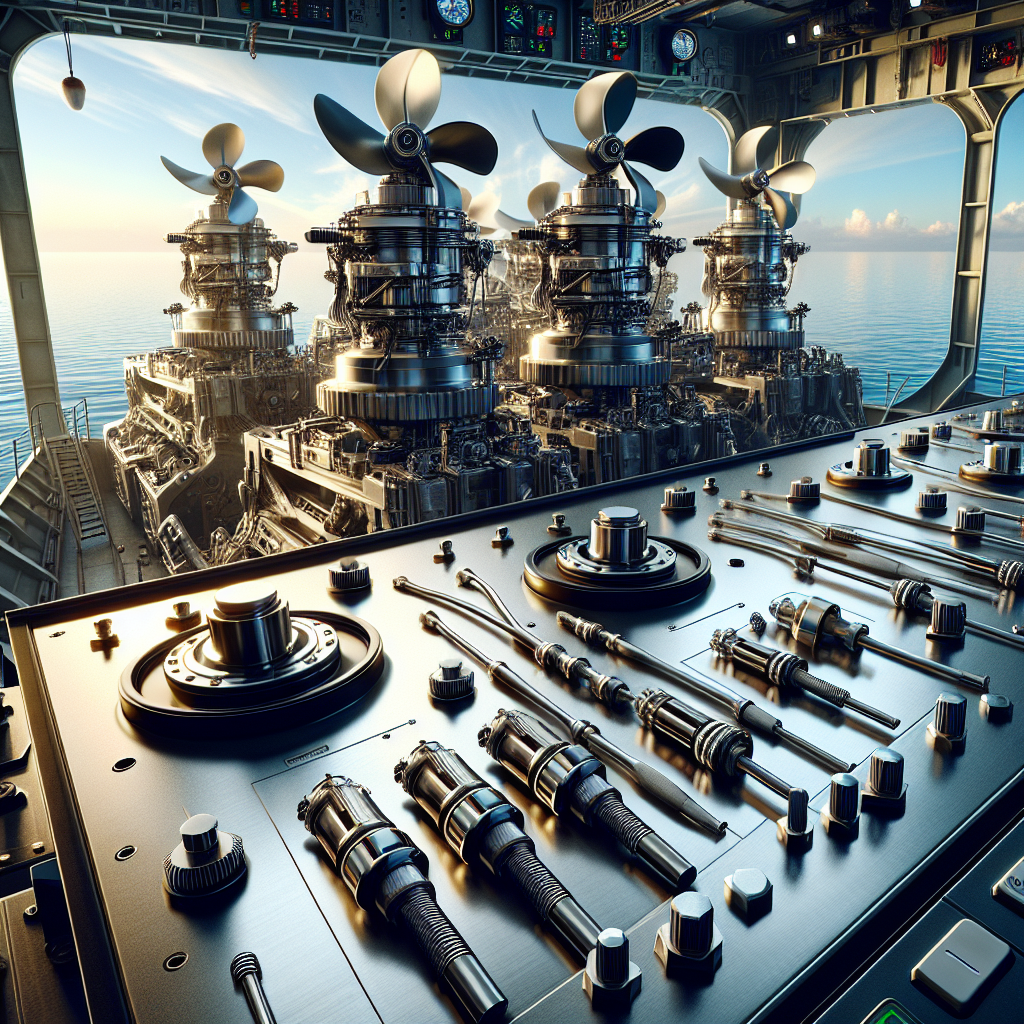
Marine engineering is a critical field that encompasses the design, construction, operation, and maintenance of ships and other marine vessels. Within this domain, the study of dynamics and control plays a pivotal role. Dynamics and control in marine engineering involve understanding and managing the forces and motions that affect marine vessels, ensuring their stability, safety, and efficiency. This article delves into the importance and relevance of dynamics and control in marine engineering, providing a comprehensive overview of its fundamentals, historical development, applications, advanced topics, challenges, and future trends.
Fundamentals
Basic Principles and Concepts
At its core, dynamics in marine engineering refers to the study of forces and motions that affect marine vessels. This includes understanding how external forces such as waves, wind, and currents interact with a vessel, as well as the internal forces generated by the vessel’s propulsion system. Control, on the other hand, involves the application of techniques to manage these forces and motions to achieve desired outcomes, such as maintaining a steady course or optimizing fuel efficiency.
Key Terms and Definitions
- Hydrodynamics: The study of fluids in motion, particularly water, and how it interacts with solid bodies like ships.
- Stability: The ability of a vessel to return to an upright position after being tilted by external forces.
- Propulsion: The means by which a vessel is driven forward, typically involving engines and propellers.
- Control Systems: Mechanisms or algorithms used to manage the behavior of a vessel, such as autopilots and dynamic positioning systems.
- Seakeeping: The ability of a vessel to operate effectively in various sea conditions.
Historical Development
Early Innovations
The study of dynamics and control in marine engineering has a rich history that dates back to ancient times. Early seafarers relied on empirical knowledge and rudimentary techniques to navigate and control their vessels. The development of the first compasses and rudders marked significant milestones in the field.
Modern Advancements
The advent of steam engines in the 19th century revolutionized marine engineering, leading to the development of more sophisticated control systems. The 20th century saw further advancements with the introduction of electronic control systems and computer-aided design (CAD) tools. Notable figures such as William Froude and David Taylor made significant contributions to the understanding of ship hydrodynamics and stability.
Applications
Commercial Shipping
In the commercial shipping industry, dynamics and control are essential for ensuring the safe and efficient operation of cargo vessels. Advanced control systems are used to optimize fuel consumption, reduce emissions, and enhance navigational accuracy. For example, dynamic positioning systems allow vessels to maintain a fixed position in the water, which is crucial for offshore drilling operations.
Naval Engineering
Naval engineering relies heavily on dynamics and control to design and operate military vessels. These systems are used to enhance the maneuverability, speed, and stealth capabilities of warships. Autonomous underwater vehicles (AUVs) and remotely operated vehicles (ROVs) also benefit from advanced control techniques, enabling them to perform complex tasks such as mine detection and underwater surveillance.
Recreational Boating
In the recreational boating sector, dynamics and control systems enhance the safety and enjoyment of boating activities. Autopilot systems, for instance, allow for hands-free navigation, while stabilization systems reduce the rolling motion of yachts, providing a more comfortable experience for passengers.
Advanced Topics
Autonomous Vessels
The development of autonomous vessels represents a significant advancement in marine engineering. These vessels rely on sophisticated control algorithms and sensor systems to navigate and perform tasks without human intervention. Recent research focuses on improving the reliability and safety of these systems, with potential applications ranging from cargo transport to environmental monitoring.
Artificial Intelligence and Machine Learning
Artificial intelligence (AI) and machine learning (ML) are increasingly being integrated into marine control systems. These technologies enable vessels to learn from past experiences and adapt to changing conditions in real-time. For example, AI algorithms can optimize route planning to minimize fuel consumption and reduce travel time.
Environmental Considerations
Environmental sustainability is a growing concern in marine engineering. Advanced control systems are being developed to reduce the environmental impact of marine vessels. This includes optimizing propulsion systems to reduce emissions and implementing ballast water management systems to prevent the spread of invasive species.
Challenges and Considerations
Technical Challenges
One of the primary challenges in marine dynamics and control is the complexity of accurately modeling the interactions between a vessel and its environment. This requires sophisticated computational tools and a deep understanding of fluid dynamics. Additionally, the harsh marine environment can pose challenges for the reliability and durability of control systems.
Regulatory and Safety Considerations
The implementation of advanced control systems must comply with stringent regulatory standards to ensure safety and reliability. This includes adhering to guidelines set by organizations such as the International Maritime Organization (IMO) and the American Bureau of Shipping (ABS). Ensuring the cybersecurity of these systems is also a critical consideration, given the increasing reliance on digital technologies.
Economic Factors
The cost of developing and implementing advanced control systems can be a significant barrier for some stakeholders. Balancing the upfront investment with the long-term benefits, such as fuel savings and improved operational efficiency, is a key consideration for decision-makers in the marine industry.
Conclusion
In conclusion, dynamics and control in marine engineering are essential for the safe, efficient, and sustainable operation of marine vessels. From the early innovations of rudimentary navigation tools to the advanced autonomous systems of today, the field has seen significant advancements. The integration of AI and machine learning, along with a focus on environmental sustainability, represents the future of marine engineering. However, challenges such as technical complexity, regulatory compliance, and economic considerations must be addressed to fully realize the potential of these technologies. As research and innovation continue to drive the field forward, dynamics and control will remain a cornerstone of marine engineering, ensuring the continued advancement and success of the maritime industry.