Applications of Energy Systems in Smart Grids
Introduction
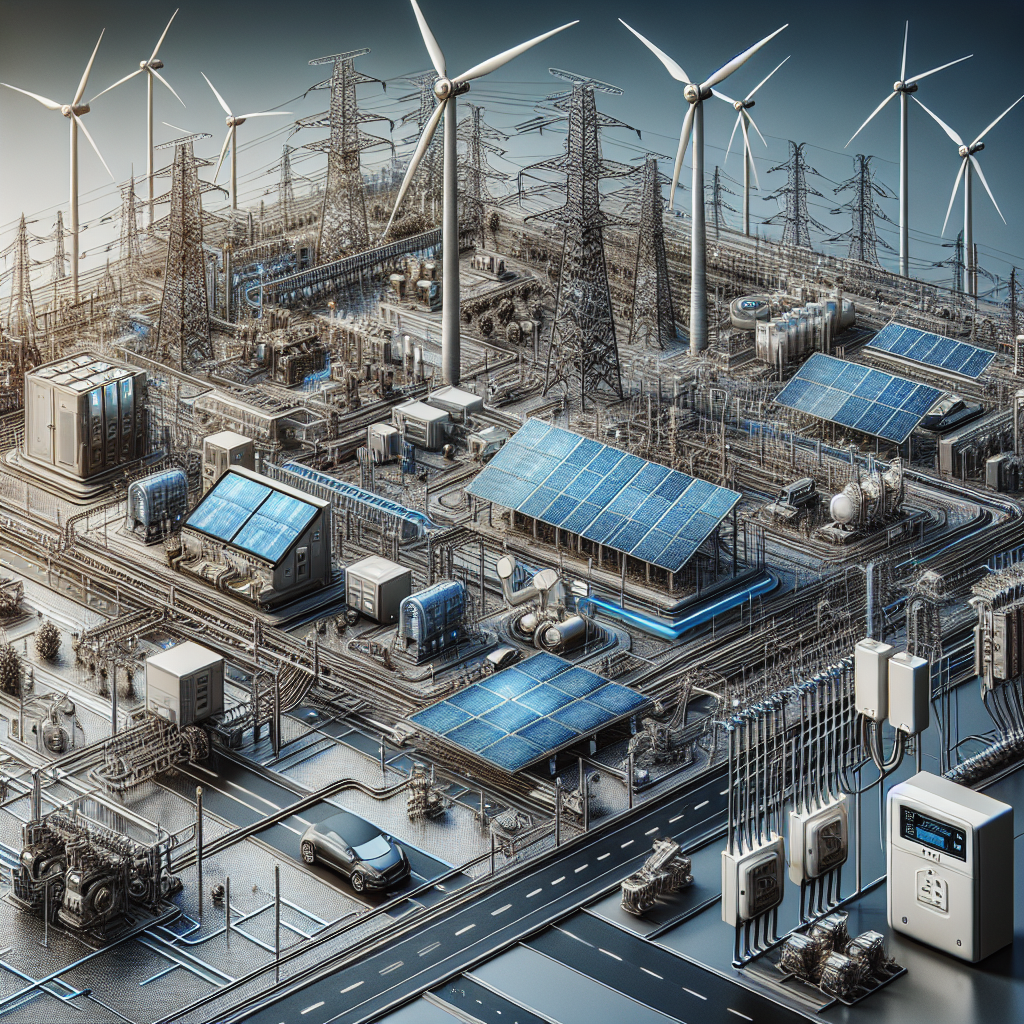
In the rapidly evolving field of Energy Systems in Engineering, the concept of smart grids has emerged as a revolutionary advancement. Smart grids integrate advanced information and communication technologies with traditional electrical grids to enhance the efficiency, reliability, and sustainability of energy distribution and consumption. The importance of smart grids cannot be overstated, as they play a crucial role in addressing the growing demand for energy, reducing carbon emissions, and facilitating the integration of renewable energy sources. This article delves into the applications of energy systems in smart grids, exploring their fundamentals, historical development, practical applications, advanced topics, challenges, and future prospects.
Fundamentals
To understand the applications of energy systems in smart grids, it is essential to grasp the basic principles and concepts underlying these technologies.
Definitions
- Smart Grid: A smart grid is an electrical grid enhanced with digital communication technology to monitor, control, and optimize the generation, distribution, and consumption of electricity.
- Energy Systems: Energy systems encompass the processes and technologies involved in the production, conversion, storage, and distribution of energy.
- Demand Response: Demand response refers to the adjustment of consumer electricity usage in response to supply conditions, such as peak demand periods or price signals.
Theories and Key Terms
- Distributed Generation: The generation of electricity from multiple small-scale sources, often renewable, located close to the point of consumption.
- Microgrid: A localized grid that can operate independently or in conjunction with the main grid, often incorporating renewable energy sources and energy storage systems.
- Advanced Metering Infrastructure (AMI): A system of smart meters and communication networks that enables real-time monitoring and management of electricity usage.
Historical Development
The concept of smart grids has evolved over several decades, driven by technological advancements and the need for more efficient and sustainable energy systems.
Early Developments
The traditional electrical grid, developed in the late 19th and early 20th centuries, was designed for one-way power flow from centralized power plants to consumers. However, this system faced limitations in terms of efficiency, reliability, and adaptability to modern energy demands.
Key Milestones
- 1970s: The energy crisis of the 1970s highlighted the need for more efficient energy management and spurred interest in alternative energy sources.
- 1990s: The advent of digital technology and the internet paved the way for the development of smart grid concepts, enabling real-time communication and control.
- 2000s: Governments and organizations worldwide began investing in smart grid research and pilot projects, leading to the deployment of advanced metering infrastructure and demand response programs.
Notable Figures
- Nikola Tesla: Pioneered the development of alternating current (AC) power systems, which laid the foundation for modern electrical grids.
- Thomas Edison: Developed the first practical direct current (DC) power systems and contributed to the early development of electrical grids.
- Amory Lovins: An influential energy analyst and advocate for energy efficiency and renewable energy, whose work has shaped modern energy policy and smart grid development.
Applications
Smart grids have a wide range of practical applications across various industries and fields, enhancing the efficiency, reliability, and sustainability of energy systems.
Residential Sector
In the residential sector, smart grids enable homeowners to monitor and manage their energy consumption in real-time. Smart meters provide detailed information on electricity usage, allowing consumers to make informed decisions about energy-saving measures. Demand response programs incentivize consumers to reduce their electricity usage during peak demand periods, helping to balance the grid and reduce the need for additional power generation.
Commercial and Industrial Sector
In the commercial and industrial sectors, smart grids facilitate energy management and optimization. Advanced metering infrastructure and energy management systems enable businesses to monitor and control their energy usage, reducing costs and improving efficiency. Smart grids also support the integration of distributed generation and renewable energy sources, allowing businesses to generate their own electricity and reduce their reliance on the main grid.
Renewable Energy Integration
One of the most significant applications of smart grids is the integration of renewable energy sources, such as solar and wind power. Smart grids enable the efficient management of variable and intermittent renewable energy generation, ensuring a stable and reliable supply of electricity. Energy storage systems, such as batteries, can store excess renewable energy for use during periods of low generation, further enhancing grid stability.
Case Studies
- California, USA: The state of California has implemented extensive smart grid initiatives to support its ambitious renewable energy goals. Advanced metering infrastructure, demand response programs, and energy storage systems have been deployed to enhance grid reliability and integrate renewable energy sources.
- Denmark: Denmark has developed a highly advanced smart grid system to support its transition to a renewable energy-based economy. The country’s smart grid infrastructure enables the efficient integration of wind power, which accounts for a significant portion of its electricity generation.
Advanced Topics
As smart grid technology continues to evolve, several advanced concepts, theories, and techniques are emerging, driving innovation and shaping the future of energy systems.
Artificial Intelligence and Machine Learning
Artificial intelligence (AI) and machine learning (ML) are increasingly being applied to smart grids to enhance their efficiency and reliability. AI algorithms can analyze vast amounts of data from smart meters, sensors, and other sources to optimize energy distribution, predict demand patterns, and detect anomalies. Machine learning techniques can also be used to develop predictive maintenance models, reducing downtime and improving grid resilience.
Blockchain Technology
Blockchain technology has the potential to revolutionize smart grids by enabling secure, transparent, and decentralized energy transactions. Blockchain can facilitate peer-to-peer energy trading, allowing consumers to buy and sell electricity directly with each other. This can enhance the efficiency of energy markets and support the integration of distributed generation and renewable energy sources.
Internet of Things (IoT)
The Internet of Things (IoT) is playing a crucial role in the development of smart grids by enabling the seamless integration of various devices and systems. IoT sensors and devices can collect real-time data on energy usage, grid conditions, and environmental factors, providing valuable insights for grid management and optimization. IoT-enabled smart appliances can also participate in demand response programs, automatically adjusting their operation based on grid conditions and price signals.
Challenges and Considerations
Despite the numerous benefits and advancements associated with smart grids, several challenges and considerations must be addressed to fully realize their potential.
Cybersecurity
The integration of digital communication technology in smart grids introduces significant cybersecurity risks. Protecting the grid from cyberattacks and ensuring the security and privacy of consumer data are critical challenges that require robust cybersecurity measures and continuous monitoring.
Interoperability
The deployment of smart grid technology involves the integration of various devices, systems, and communication protocols. Ensuring interoperability between different components and standards is essential for the seamless operation of smart grids. Developing common standards and protocols can facilitate interoperability and enhance the efficiency of smart grid systems.
Regulatory and Policy Frameworks
The successful implementation of smart grids requires supportive regulatory and policy frameworks. Governments and regulatory bodies must develop policies that promote the adoption of smart grid technology, incentivize investment in infrastructure, and ensure fair and transparent energy markets. Collaboration between stakeholders, including utilities, technology providers, and consumers, is also essential for the effective deployment of smart grids.
Cost and Investment
The deployment of smart grid infrastructure involves significant costs and investment. While the long-term benefits of smart grids are substantial, the initial capital expenditure can be a barrier to adoption. Developing innovative financing models and demonstrating the economic value of smart grids can help attract investment and accelerate deployment.
Conclusion
In conclusion, the applications of energy systems in smart grids represent a transformative advancement in the field of Energy Systems in Engineering. Smart grids enhance the efficiency, reliability, and sustainability of energy distribution and consumption, addressing the growing demand for energy and facilitating the integration of renewable energy sources. While several challenges and considerations must be addressed, the continued development and deployment of smart grid technology hold immense potential for shaping the future of energy systems. As research and innovation continue to drive advancements in this field, smart grids will play a pivotal role in creating a more sustainable and resilient energy landscape.