The Role of Chemistry in Mechanical Engineering
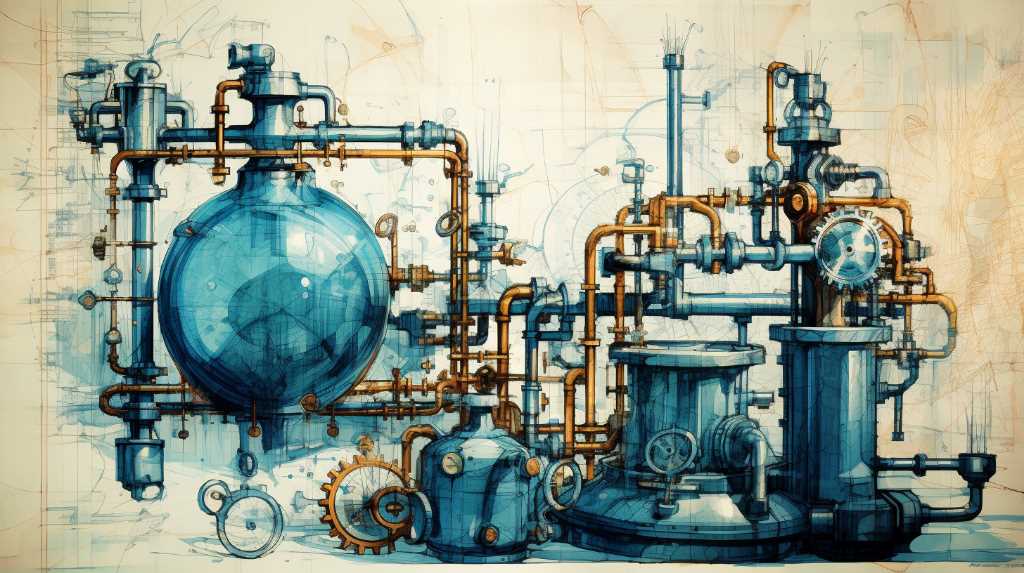
Chemistry is very important in mechanical engineering because it helps engineers understand materials on a small scale, which is crucial when they are creating machines and tools. For example, thanks to chemistry, we can make parts that last longer and work better. When mechanical engineers know about the chemical makeup of materials, they can invent new energy sources or make current ones more efficient. This is because they understand how fuels react and change into energy.
To stop machines from rusting, engineers use chemistry to find the best ways to prevent corrosion, making sure that mechanical parts stay in good shape for a long time. Also, as we try to take care of the planet, knowing about green chemistry helps engineers develop processes that don’t harm the environment as much. For instance, when making cars, engineers can choose materials that are less polluting.
In factories, knowing about chemistry can help make things more efficiently, reducing waste. This shows how closely connected chemistry and mechanical engineering are. By using chemistry, engineers can solve problems and improve how machines and systems work, which is why it is so important in their field.
Material Development and Innovation
Material development is getting better and more innovative thanks to chemistry. In mechanical engineering, people design and make things that move, but it’s new discoveries in chemistry that let them use better materials. These materials are stronger, last longer, and are better for the environment.
For example, to make a polymer that’s both strong and flexible, chemists have to put the molecules together in just the right way. Also, when engineers make composites, they need to know how chemicals bond and how the matrix mixes with fibers to make the material as strong as possible.
When it comes to making metal better, it’s all about using chemistry to make alloys that don’t rust easily and can handle a lot of use without breaking. Chemistry is super important in creating new materials that help engineers design the next big thing.
Energy Sources and Efficiency
Mechanical engineers use chemistry to make better energy sources and improve how machines use energy. By studying how energy changes during chemical reactions, what kind of byproducts they create, and their heat properties, they can make these processes better.
Engineers calculate the best mix of fuel and air to get the most energy with the least waste and pollution. They use catalysts, which are a big deal in chemistry research, to make chemical reactions faster and cleaner, helping to produce energy more efficiently.
They also design materials that reduce wear and tear and heat loss in machines, which makes them run better.
All these points show how important chemistry is in mechanical engineering, especially when we want to make energy sources that are good for the environment and work really well.
Corrosion Prevention Strategies
In the world of mechanical engineering, understanding chemistry is key to creating ways to stop corrosion, which can damage materials and structures over time. Corrosion happens when materials break down due to reactions with their environment. This can lead to safety issues and cost a lot of money.
To prevent corrosion, engineers need to know how materials react with their surroundings. One way to protect against corrosion is by using protective coatings. These coatings work as a shield, keeping the materials safe from corrosive substances. They often have strong polymers or special ingredients that slow down corrosion.
Another method is to mix different metals together to make them more resistant to corrosion from the start. Engineers also choose the right materials and use devices called sacrificial anodes to further protect mechanical structures from the harmful effects of corrosion.
For example, a popular protective coating used in the industry is epoxy, which is known for its durability and ability to resist chemicals. When constructing a bridge, engineers might use a zinc-based sacrificial anode, which will corrode instead of the steel structure, extending the bridge’s life.
Environmental Impact and Sustainability
Chemistry plays a crucial role in mechanical engineering, especially when it comes to protecting the environment and supporting sustainability. It’s important because it helps us come up with cleaner ways to produce things, create materials that break down naturally, and devise new methods to reduce pollution.
For example, chemists work on creating less harmful catalysts and solvents that cut down on the bad stuff released into the air when we make products. They also analyze materials from start to finish, which helps engineers use less and waste less.
Plus, treating waste before it leaves a factory is a must to meet environmental rules and protect nature. By combining the smarts of chemistry with the know-how of mechanical engineering, we can make big strides toward a future that’s good for our planet.
Process Optimization Techniques
In mechanical engineering, there are smart ways to make machines work better and waste less. Take catalytic processes, for example. These are tweaked to speed up chemical reactions and get more product, while using less stuff and energy. It’s like cooking but making sure you don’t burn anything and get the most cake out of your batter.
To keep an eye on these reactions while they happen, engineers use high-tech tools and chemical sensors. This lets them make quick changes to keep everything running smoothly and avoid making unwanted extras.
Plus, they use computer simulations and models to predict what will happen in a system. It’s a bit like a weather forecast for machines, helping to spot and fix any hold-ups before they cause trouble. Engineers also get really specific with the materials they use, making sure they have just the right chemical makeup to do the job well. This could mean they don’t rust or they help reactions along even better. All this attention to detail means making things can be more straightforward, cost-effective, and result in better products.
It’s like having a really good recipe, the best ingredients, and an oven that you can adjust on the fly to make sure your cake comes out perfect every time. And when it comes to recommendations, think about using software like Aspen Plus for simulations or installing smart sensors from companies like Emerson for real-time monitoring – these tools can make a big difference in process optimization.
Conclusion
Chemistry plays a key role in mechanical engineering. It helps us make new materials and improve the energy efficiency of machines. By better understanding chemicals, we can invent materials that last longer and prevent rust, which makes machinery more reliable.
Chemistry also helps make engineering more eco-friendly by finding ways to reduce harm to the environment. This teamwork between chemistry and mechanical engineering is vital for creating new technology that our world needs.
For example, thanks to chemistry, we now have super strong materials like carbon fiber, which are used to make lighter and safer cars. Also, by understanding how chemicals react, engineers can design factories that produce less waste, helping to keep our planet cleaner.
In short, without chemistry, mechanical engineering wouldn’t be as advanced or as kind to the Earth as it is today.