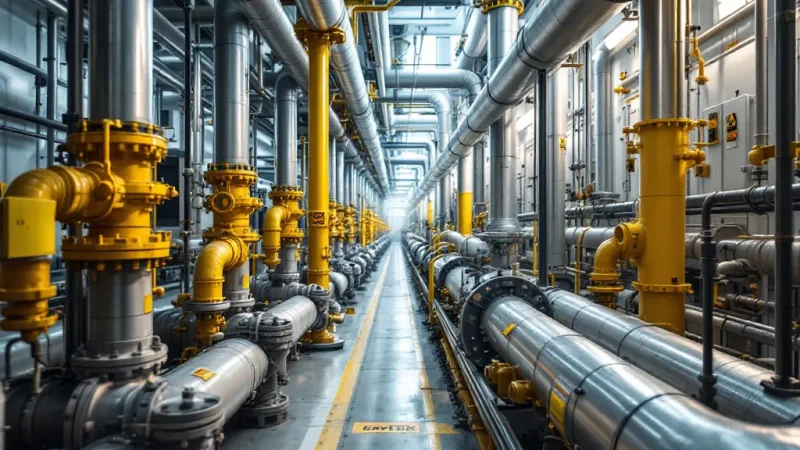
The Role of Antiscalant in Water Treatment: Engineering Efficiency and Sustainability
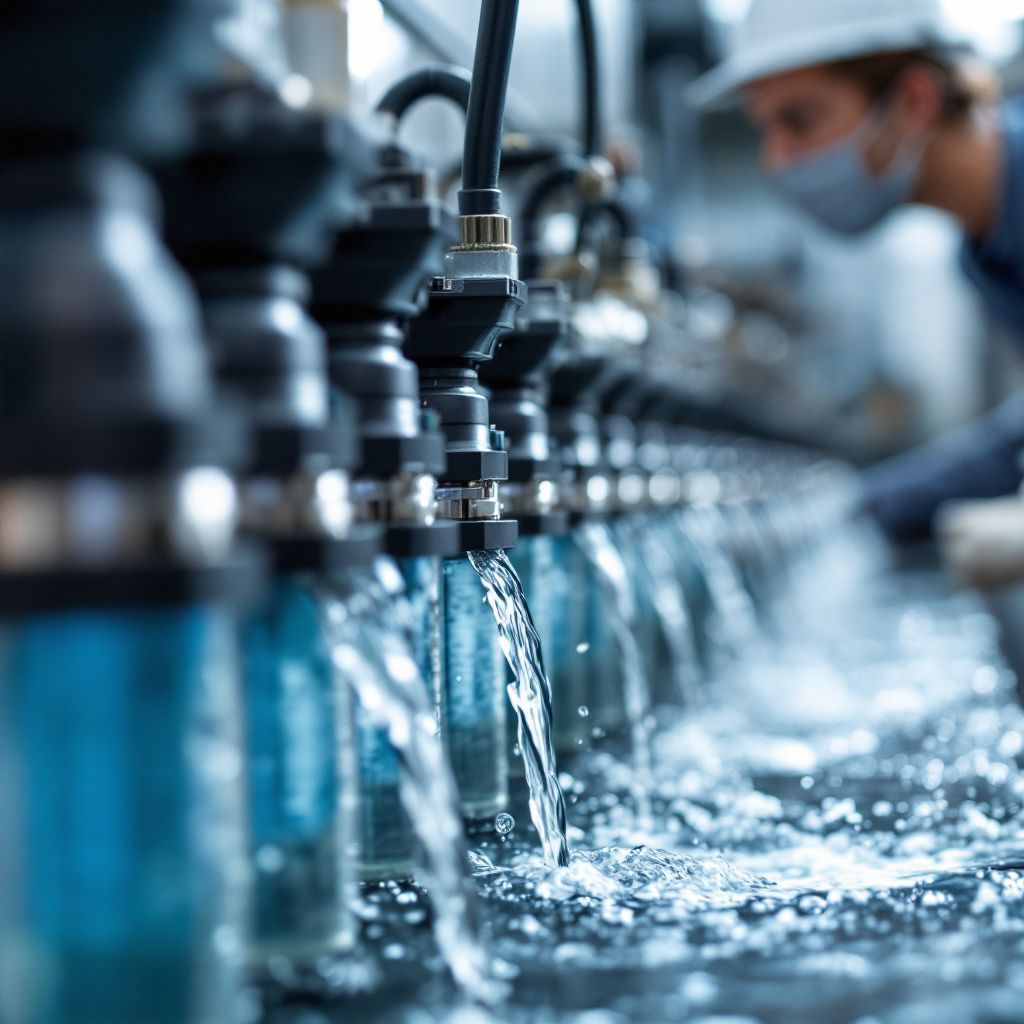 Engineering plays a crucial role in water treatment, transforming challenges like scale buildup into opportunities for innovation. Through chemical formulations, system design, and advanced modeling, engineers have developed tools like antiscalants to maintain efficiency and sustainability across various industries. This article explores how antiscalants address scaling issues while showcasing their broader impact on engineering and sustainability.
Scale buildup in water isn’t a new problem. It’s been around for a while. Its effects are well-documented. If it’s not killing equipment and slowing down processes, it’s eating into revenue, thanks to costly maintenance, among other issues. This is why antiscalant in water treatment is such a great idea.
But what exactly does this antiscalant do, and how can it guarantee engineering efficiency and sustainability? Read on for the answers to this pressing question.
Preventing Scale Formation
Chemical engineers have revolutionized scale prevention by designing antiscalants that target specific minerals like calcium and magnesium. These formulations use principles of molecular chemistry to inhibit crystal growth at the microscopic level. Combined with advanced engineering tools such as predictive modeling, industries can now tailor antiscalant applications to unique water compositions, ensuring maximum efficiency.
Scale happens when minerals like calcium and magnesium crystallize in your system. Over time, these crystals grow and block the flow of water. Antiscalants stop this process before it starts by interacting with these minerals and preventing them from sticking together and forming crystals. This means your water keeps flowing freely, and your system stays clean.
Take reverse osmosis (RO) systems, for example. These systems are great for purifying water, but they’re highly prone to scaling. A clogged RO membrane not only slows the process but also affects water quality. That’s why the right antiscalant in water treatment can make a huge difference. This innovative solution can keep these salts at bay and have the membranes running smoothly for a longer time.
If you’re wondering, “How much antiscalant do I need?” the answer depends on your water’s composition. Testing your water for mineral levels can help you determine the right dosage. Too little won’t work, and too much is just wasteful.
Extending Equipment Lifespan
Mechanical engineers play a vital role in reducing wear and tear caused by scale. By integrating antiscalants into system design, they ensure critical components like pumps and membranes operate under optimal conditions. Computational fluid dynamics (CFD) tools further allow engineers to simulate flow patterns, identifying areas most at risk of scaling and designing solutions to mitigate these effects.
Scale doesn’t just clog pipes—it puts stress on critical components like membranes, heat exchangers, and pumps. Over time, this stress wears out your equipment. Antiscalants are a protective layer.
For example, in industries like desalination or power generation, replacing a single RO membrane or heat exchanger can cost thousands of dollars. Regular antiscalant use delays those replacements significantly. You’ll save not just on repairs but also on the labor costs of shutting down your system for maintenance.
Improving Efficiency of Water Treatment Systems
 Maximizing water treatment system performance requires a combination of engineering expertise and innovative technology. Engineers design systems to incorporate antiscalants, reducing the strain on pumps and membranes and ensuring consistent water flow. Advances like automated dosing systems also play a critical role, allowing for precise application that enhances overall system output and energy efficiency.
Efficiency is a cornerstone of water treatment engineering. Systems designed by engineers now incorporate antiscalants as a standard feature, reducing the energy demands of pumps and membranes. Innovations like automated dosing systems ensure precise application, further enhancing the performance of reverse osmosis systems and other water treatment setups.
Efficiency is everything in water treatment. However, scale can seriously affect this. It narrows pipes, reduces water flow, and forces pumps and filters to work harder. Over time, your system uses more energy, increasing operational costs.
Antiscalants keep your system clean and running smoothly. For example, in a reverse osmosis system, scale buildup can reduce water output. That means less purified water and more energy spent trying to meet demand.
Using antiscalants ensures your system operates at its best. Pumps don’t overwork, and membranes don’t clog. When you think about it, improving efficiency isn’t just about saving money. It’s about reducing waste and getting the most out of your resources.
Reducing Maintenance Costs
Engineers have optimized maintenance schedules by integrating antiscalants into predictive maintenance strategies. By monitoring scaling potential through sensors and diagnostic software, industries can proactively address issues before they escalate, minimizing unexpected downtime and repair costs.
Nobody wants to deal with unexpected repairs, especially when they’re expensive. But without antiscalants, you’re setting yourself up for frequent breakdowns and costly fixes.
Here’s why: when scale builds up inside your water treatment system, it doesn’t just reduce performance—it also causes wear and tear. Membranes get clogged, pumps struggle to keep up, and heat exchangers lose efficiency. Before you know it, you’re dealing with leaks, system failures, and an unhappy budget.
Now, think about the alternative. With antiscalants in the picture, you can keep scale formation in check. That means fewer emergency repairs, fewer part replacements, and fewer headaches. Regular maintenance becomes quicker and easier because there’s less gunk to clean out.
Promoting Sustainable Practices
Environmental considerations have become a driving force in engineering advancements. By developing eco-friendly antiscalants and optimizing water treatment designs, engineers are reducing the impact of scaling on energy and water resources. These efforts help industries meet sustainability goals while maintaining high performance in their operations.
Antiscalants help reduce resource waste in multiple ways. First, there’s the obvious benefit: less energy consumption. When your system runs smoothly, it uses less power to pump water or purify it. Over time, this adds up to a smaller carbon footprint.
Then there’s water conservation. In many systems, severe scaling can force you to flush out and waste water to clean the equipment. Antiscalants reduce the need for frequent flushing, meaning you save water while keeping your system clean.
Take the example of a power plant where cooling systems use massive amounts of water. Scale buildup in these systems not only wastes energy but also increases water usage for cleaning cycles. With antiscalants, these plants can cut down on both, making their operations much more eco-friendly.
Enhancing Process Reliability
 Engineering standards such as ASTM and ISO provide clear guidelines for the use of antiscalants, ensuring reliable and consistent performance. In industries like pharmaceuticals and power generation, engineers adhere to these standards to maintain process stability and product quality, even under demanding conditions.
Interruptions can have costly consequences. Unfortunately, scale buildup is a common cause of system downtime. It clogs membranes, reduces pressure, and forces equipment to work harder, leading to breakdowns.
Antiscalants solve this by keeping everything running smoothly. They prevent scale from forming, ensuring consistent water flow and maintaining optimal performance. For example, in a pharmaceutical plant, even a minor disruption in water quality can halt production and lead to huge losses. Using antiscalants minimizes this risk, offering steady output and peace of mind.
It’s not just about avoiding breakdowns; it’s about long-term consistency. Imagine running a large reverse osmosis plant. Without antiscalants, you might face unplanned shutdowns every few weeks. With them, your system can operate for months—or even years—with minimal interruptions.
Closing Thoughts
Engineering plays a vital role in driving advancements in water treatment solutions. By developing innovative antiscalants and refining system designs, engineers have created tools that balance efficiency and sustainability. These technologies not only address industrial challenges but also pave the way for resource conservation and environmental responsibility.
Antiscalants can go a long way in protecting your equipment, cut costs, and support sustainable practices. By investing in them, you’re safeguarding your system’s performance and saving resources. Test your water, choose the right antiscalant, and see the difference it makes.