The Founding Father of Mechanical Engineering
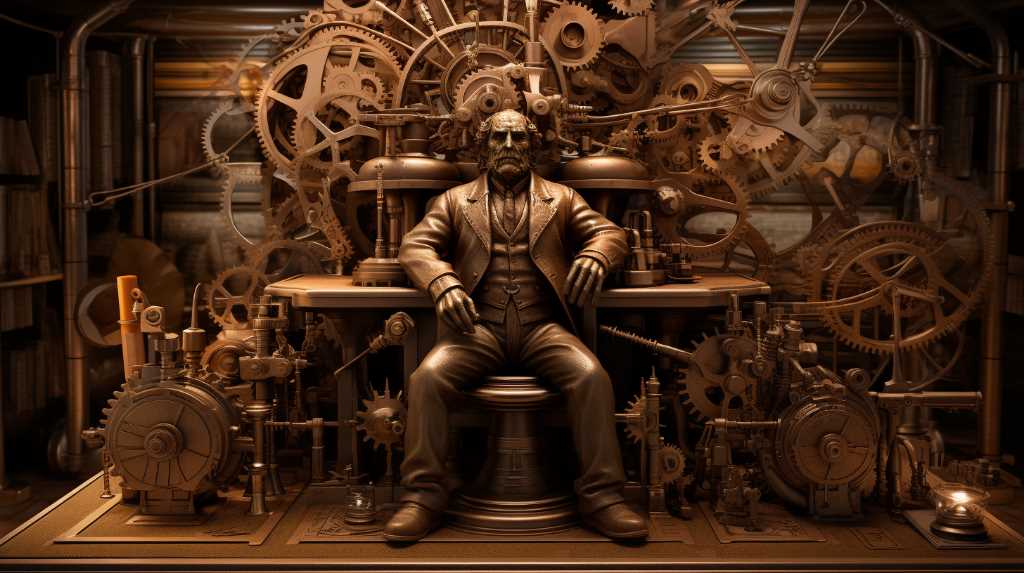
The term ‘The Founding Father of Mechanical Engineering’ refers to those key people who made huge strides in forming the field of mechanical engineering. Mechanical engineering today is built on the combination of theory and hands-on work. This combination was greatly influenced by early experts who blended knowledge of materials, understanding of how things move, and energy concepts to create new technologies during the Industrial Revolution.
They set the stage for mechanical engineering by coming up with fundamental ideas such as how to examine mechanics, how to design complicated machines, and how to improve systems to make production faster and more efficient. Their important work is still relevant in today’s engineering world, supporting new technological progress and accomplishments in the industry.
The Dawn of Mechanical Engineering
During the Industrial Revolution, the field of mechanical engineering took shape to keep up with the increasingly complex machinery and production methods. This time was crucial for technological growth, with the shift towards machine-based industry and steam power at the forefront.
Mechanical engineering became vital for designing, analyzing, and creating more advanced mechanical systems. It formed the core of industrial growth, boosting productivity and efficiency during that era.
Early Life and Education
James Watt, often called the father of mechanical engineering, was born at the right time to help shape the Industrial Revolution. He came into the world on January 19, 1736, in Greenock, Scotland. Growing up, Watt was surrounded by the world of skilled work because his dad built and owned ships and also did contract work. His mother was from a respected family, known for being smart and very healthy.
Watt started learning in Greenock and was really good at math and science. But he got sick a lot, which meant he had to learn on his own at home sometimes. This time was really important because he got to study lots of different topics, which made his mind very flexible. This helped him a lot when he later made big discoveries in engineering.
As he grew up, Watt’s ability to learn by himself and his interest in a wide range of subjects set him up to be a great engineer. His work was very important because it came at a time when machines and technology were changing the world in the Industrial Revolution. He didn’t just follow what others did; he thought of new ways to solve problems, and that’s why he’s remembered today. His story shows how being curious and learning on your own can lead to big achievements.
Key Inventions and Discoveries
James Watt made the steam engine much better, making it use less fuel and work more powerfully. He did this by inventing the separate condenser, which kept the steam’s heat in, so not as much energy was wasted like in the older Newcomen steam engine. This change was a big step forward because it made the steam engine work better and helped people come up with new ideas in thermodynamics, which is the science of heat and energy.
Watt also came up with the term ‘horsepower’ to describe how strong his engines were. He was very careful in studying how energy is turned into work, which really helped start the field of mechanical engineering. Thanks to his work, the way people made things and moved around changed a lot in the late 1700s.
Impact on Industrial Revolution
James Watt significantly improved steam power, which was crucial to the Industrial Revolution. His work changed the way factories operated, especially in making textiles, showcasing the time’s tech advancements.
Watt made factories more efficient and able to produce more goods quickly. This led to the widespread use of mass production in factories.
Watt’s steam engines also changed transportation by powering trains and boats, making trade easier and faster by reducing travel time.
His inventions were not just a step forward in engineering; they also brought major changes to society and the economy during the Industrial Revolution.
Legacy and Continued Influence
James Watt made important improvements to the steam engine that changed the way industries worked in his time, and these changes still affect how we make and use machines and energy systems today. We remember his impact with the unit of power called the ‘watt,’ named after him.
Engineering students and professionals today still use the ideas Watt came up with or made better, which shows how his thinking continues to influence the field. He was great at solving problems and always wanted to make things more efficient, and that way of thinking is still important in engineering today.
Watt’s work isn’t just a part of history; it’s an important part of how mechanical engineering keeps improving.
Conclusion
To sum up, the person we’re talking about really changed mechanical engineering for the better. They came up with new inventions and ideas that really helped speed up the Industrial Revolution, making the world as we know it today.
What they did still matters a lot because engineers nowadays still use the ideas and tools they started with. They made a huge difference in how we do engineering and industry work.