Surface Engineering and Coatings
Introduction
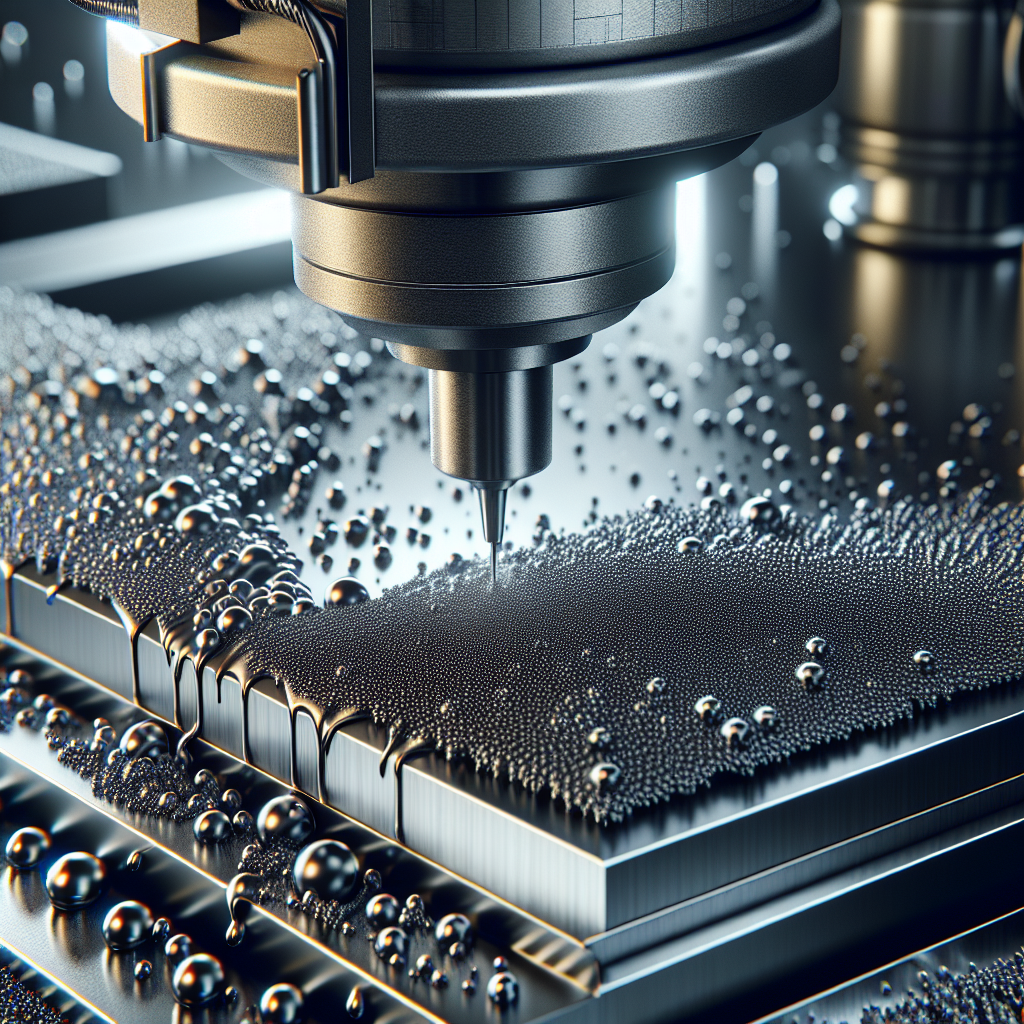
Surface engineering and coatings represent a critical area within the field of Material Science in Engineering. This discipline focuses on modifying the surface properties of materials to enhance their performance, durability, and functionality. Surface engineering encompasses a wide range of techniques and processes designed to improve the wear resistance, corrosion resistance, and aesthetic appeal of materials. Coatings, a subset of surface engineering, involve applying a layer of material onto a substrate to achieve desired surface characteristics. The importance of surface engineering and coatings cannot be overstated, as they play a pivotal role in extending the lifespan of components, reducing maintenance costs, and improving overall efficiency in various industries.
Fundamentals
Basic Principles and Concepts
Surface engineering involves the modification of a material’s surface to achieve specific properties that are not inherent to the bulk material. This can be accomplished through various techniques such as thermal spraying, electroplating, chemical vapor deposition (CVD), and physical vapor deposition (PVD). The primary goal is to enhance surface properties such as hardness, wear resistance, corrosion resistance, and thermal stability.
Key Terms
- Substrate: The base material onto which a coating or surface treatment is applied.
- Coating: A layer of material applied to the surface of a substrate to improve its properties.
- Adhesion: The ability of a coating to bond to the substrate.
- Wear Resistance: The ability of a material to withstand mechanical action such as friction, abrasion, or erosion.
- Corrosion Resistance: The ability of a material to resist degradation caused by chemical or electrochemical reactions with the environment.
Historical Development
The history of surface engineering and coatings dates back to ancient civilizations, where techniques such as gilding and enameling were used to enhance the appearance and durability of objects. However, significant advancements in this field have occurred over the past century.
Key Milestones
- Early 20th Century: The development of electroplating techniques allowed for the deposition of metals like chromium and nickel onto various substrates, significantly improving wear and corrosion resistance.
- Mid-20th Century: The advent of thermal spraying techniques enabled the application of high-performance coatings for aerospace and industrial applications.
- Late 20th Century: The introduction of CVD and PVD techniques revolutionized the field by allowing for the deposition of thin, uniform coatings with excellent adhesion and tailored properties.
- 21st Century: Advances in nanotechnology and materials science have led to the development of nanostructured coatings with superior performance characteristics.
Applications
Surface engineering and coatings have a wide range of applications across various industries, each benefiting from the enhanced properties provided by these technologies.
Aerospace Industry
In the aerospace industry, surface engineering is crucial for improving the performance and longevity of components exposed to extreme conditions. Thermal barrier coatings (TBCs) are used on turbine blades to protect them from high temperatures, while anti-corrosion coatings are applied to aircraft structures to prevent degradation from environmental exposure.
Automotive Industry
The automotive industry relies heavily on surface engineering to enhance the durability and performance of engine components, transmission systems, and body panels. Hard coatings are applied to engine parts to reduce wear and friction, while anti-corrosion coatings protect the vehicle’s body from rust and environmental damage.
Medical Devices
In the medical field, surface engineering is used to improve the biocompatibility and functionality of implants and medical devices. Coatings such as hydroxyapatite are applied to orthopedic implants to promote bone integration, while antimicrobial coatings are used on medical instruments to prevent infections.
Energy Sector
The energy sector benefits from surface engineering through the application of coatings that enhance the efficiency and lifespan of equipment. For example, anti-fouling coatings are used on offshore structures to prevent biofouling, while wear-resistant coatings are applied to drilling equipment to extend its operational life.
Advanced Topics
Nanostructured Coatings
Recent advancements in nanotechnology have led to the development of nanostructured coatings with superior properties. These coatings, composed of nanoscale particles, offer enhanced hardness, wear resistance, and corrosion resistance compared to traditional coatings. Research in this area is focused on optimizing the synthesis and application methods to achieve uniform and defect-free coatings.
Smart Coatings
Smart coatings are an emerging area of research that involves the development of coatings with responsive properties. These coatings can change their characteristics in response to external stimuli such as temperature, pH, or mechanical stress. Applications of smart coatings include self-healing materials, anti-icing surfaces, and corrosion-sensing coatings.
Green Coatings
Environmental concerns have driven the development of green coatings that are environmentally friendly and sustainable. These coatings are designed to reduce the use of hazardous materials and minimize environmental impact. Research in this area focuses on developing bio-based coatings, waterborne coatings, and low-VOC (volatile organic compound) formulations.
Challenges and Considerations
Despite the numerous advantages of surface engineering and coatings, several challenges and considerations must be addressed to fully realize their potential.
Adhesion and Durability
Ensuring strong adhesion between the coating and the substrate is critical for the coating’s performance. Poor adhesion can lead to delamination and failure of the coating. Research is ongoing to develop surface preparation techniques and adhesion promoters to enhance coating-substrate bonding.
Cost and Scalability
The cost of surface engineering processes and materials can be a limiting factor for their widespread adoption. Developing cost-effective and scalable techniques is essential for making these technologies accessible to a broader range of industries.
Environmental Impact
The environmental impact of surface engineering processes, particularly those involving hazardous chemicals and high energy consumption, is a significant concern. Efforts are being made to develop greener alternatives and improve the sustainability of these processes.
Complexity of Multilayer Coatings
Multilayer coatings, which involve the application of multiple layers with different properties, offer enhanced performance but also introduce complexity in terms of design and application. Research is focused on optimizing multilayer coating architectures and deposition techniques to achieve the desired properties.
Conclusion
Surface engineering and coatings are indispensable in the field of Material Science in Engineering, offering solutions to enhance the performance, durability, and functionality of materials. From aerospace to medical devices, these technologies have a profound impact on various industries, driving innovation and improving efficiency. While challenges such as adhesion, cost, and environmental impact remain, ongoing research and advancements in nanotechnology, smart coatings, and green coatings hold promise for overcoming these obstacles. As the field continues to evolve, surface engineering and coatings will play an increasingly vital role in addressing the demands of modern engineering applications.