Prosthetics Design in Mechanical Engineering
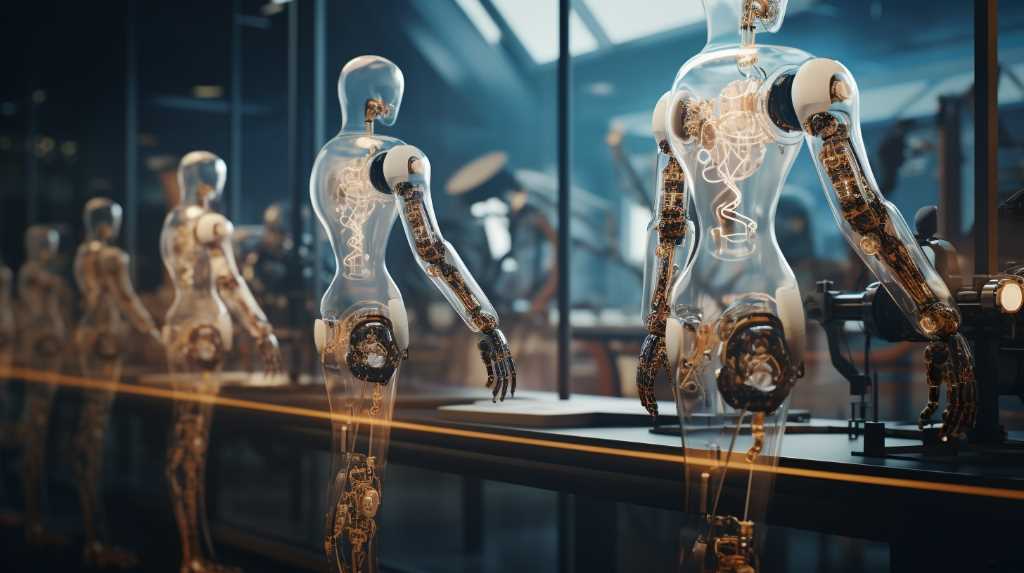
In mechanical engineering, designing prosthetics is about combining knowledge of the human body with technology to help people who have lost limbs. Engineers need to really understand how the body moves, what materials are best, and how to control the prosthetics. They work together to make artificial limbs that move like real ones and fit into a person’s life well. They have to pick materials that are strong but not heavy, use robotics to make the limbs more precise, and focus on what the user needs to make sure they’re comfortable and easy to use. The main aim is to create prosthetics that not only work well but also help users feel confident and independent.
To make this possible, engineers might, for example, choose carbon fiber as a material for the prosthetic because it’s both durable and lightweight. They could also use sensors and motors to give the prosthetic hand the ability to grip and hold things tightly or gently. And they’ll design the socket—the part that attaches to the user’s body—with padding and adjustable straps for a snug, comfortable fit. This way, someone using the prosthetic can go about their day, from cooking to typing to shaking hands, with ease.
Understanding Prosthetic Limb Mechanics
Prosthetic limbs are quite complex. They use both body mechanics and special materials to work like real arms and legs. Engineers make these fake limbs to move and support weight just like our own limbs do. They focus on how joints move and try to copy how our muscles and bones work together. To do this, they use strong, lightweight materials that can change to fit different needs.
Each part is made carefully. Engineers think about who will use the limb and what they’ll do with it, making sure it’s comfortable and works well for them. They use computer programs to guess what kind of pressure and stretching the prosthetic will go through. This helps them make it last longer and work better.
Advancements in Prosthetic Materials
New types of strong and lightweight materials, like carbon fiber and special plastics, have made artificial limbs better and more comfortable to use. These materials help the prosthetics last longer and move more naturally. For example, using soft materials like silicone and polyurethane in the parts that touch the skin makes them more comfortable and prevents skin problems.
With 3D printing, each prosthetic can be made to fit perfectly for each person, matching their body and needs. Also, there’s exciting research on materials that change based on the weather or surroundings, which could make artificial limbs work even more like natural ones.
Integration of Robotics and Control Systems
In the world of mechanical engineering, there’s an exciting development where robots and control systems are being built into artificial limbs to make them work better. For example, they’re using tiny computers, sensors, and devices that make the prosthetic limbs move to help them act more like real arms and legs.
By using special computer programs and learning from the user’s movements, these artificial limbs can be tailored to fit how a person walks or moves, giving them a more personal touch. They’re also designed to make quick changes to keep the user steady and quick on their feet.
The mix of biomechatronics, which combines biology, mechanics, and electronics, with cybernetics, the study of communication and automatic control systems in both machines and living things, is really changing the game. It’s turning artificial limbs from just something you attach to your body into smart, helpful parts that feel like a natural part of you.
This is a big step forward in the technology that helps people with disabilities.
Biomechanical Considerations in Design
When creating prosthetic limbs, it’s crucial to understand how the human body moves to make sure the prosthetic works well with the person’s body. Engineers take a close look at how our natural limbs move, including how our joints handle forces, how weight is spread out, and how we walk. They use this information to make prosthetics that move in a similar way.
It’s important to choose materials that are strong, light, and flexible, like our bones and muscles. Each prosthetic needs to be able to change a bit to fit each person’s unique body comfortably. The main aim is to make a prosthetic that feels natural and helps people move as they did before.
For example, a prosthetic leg made with the right material mix can help an amputee run just as they used to, without the leg feeling heavy or uncomfortable. Companies like Ossur and Ottobock are leaders in designing prosthetics that meet these needs, offering a variety of models tailored for different activities and lifestyles. They focus on creating limbs that not only look realistic but also allow for a smooth walking pattern, which is essential for the comfort and health of the user.
Accessibility and User-Centric Development
When mechanical engineers work on prosthetic devices, they need to make sure that these devices are comfortable and easy to use for the people who will wear them. Prosthetics are more than just artificial limbs; they’re tools that help people regain independence. Creating these devices is a careful task that combines a deep understanding of engineering with a focus on what the user needs. Engineers use high-tech materials and movement science to make prosthetics that work well and fit into different kinds of lives and places.
To do this well, engineers design prosthetics that are modular (meaning parts can be swapped), adjustable to fit the user perfectly, and have simple controls that feel natural to use. It’s important that these devices feel like a part of the person’s body and help them do things on their own. Getting the fit just right and making sure the interface is user-friendly are key. This helps users learn how to use their prosthetic quickly and makes it easier for them to include it in their everyday activities.
For example, a prosthetic arm designed for a chef would need to be heat resistant, offer precise movements, and have an adjustable grip to hold different kitchen tools. It should also be easy to clean for hygiene purposes. An example of a product that does this well is the Bebionic prosthetic hand, which has a range of grip patterns and is designed for ease of use and durability.
In short, the goal is to make prosthetics that improve the quality of life for users by being as helpful and easy to use as possible.
Conclusion
To wrap things up, the way we make prosthetics has really changed thanks to the work of experts in mechanical engineering, the study of materials, and the creation of robots, all guided by the science of how bodies move. We’ve seen a lot of progress, leading to prosthetics that are more advanced and easier for people to get. By focusing on what users need and want, these high-tech limbs are doing a great job of helping people both look and feel good. This means a lot because it helps them live better lives and do everyday things more easily.
As we look ahead, we’re sure to see even more amazing things in this area that combines different fields of study.
Let me give you a clearer picture: Imagine someone who’s lost an arm and loves to paint. Before, they might have struggled with a basic hook prosthetic. Now, thanks to these advancements, they could use a prosthetic arm that moves smoothly and lets them hold a paintbrush again, making a huge difference in their life. That’s the kind of future we’re moving towards with prosthetic design.