Powering Manufacturing Plants with Solar: Engineering the Future of Sustainable Manufacturing
 In today’s industrial landscape, engineering is the backbone of innovation and sustainability. As manufacturing plants look to reduce costs and minimize their environmental footprint, solar energy emerges as a powerful solution. Solar power doesn’t just replace traditional energy sources—it redefines the way factories operate, combining advanced engineering with environmental responsibility to create smarter, greener industrial processes.
The role of engineering in solar energy integration cannot be overstated. From designing efficient photovoltaic systems to optimizing energy storage and distribution, engineers provide the expertise needed to ensure a seamless transition to renewable energy. For manufacturers, partnering with a solar energy company that specializes in engineering-driven solutions is a critical step toward achieving sustainability goals. This article explores how engineering expertise enables the seamless integration of solar energy into manufacturing facilities, paving the way for sustainable progress.
Crafting a Strategic Framework
Implementing solar energy in manufacturing requires a structured engineering approach to align renewable energy systems with operational workflows. Large automotive companies, for example, have successfully integrated solar solutions into their facilities by collaborating with engineering teams to optimize energy flow and system design.
One challenge often faced is balancing costs and space utilization. Innovative engineering solutions, such as Maryland community solar installations, have demonstrated how shared systems can provide renewable energy without requiring extensive on-site infrastructure. These models showcase how engineering ingenuity can deliver scalable and efficient renewable solutions for manufacturing plants.
Maximizing Space Utilization with On-Site Installations
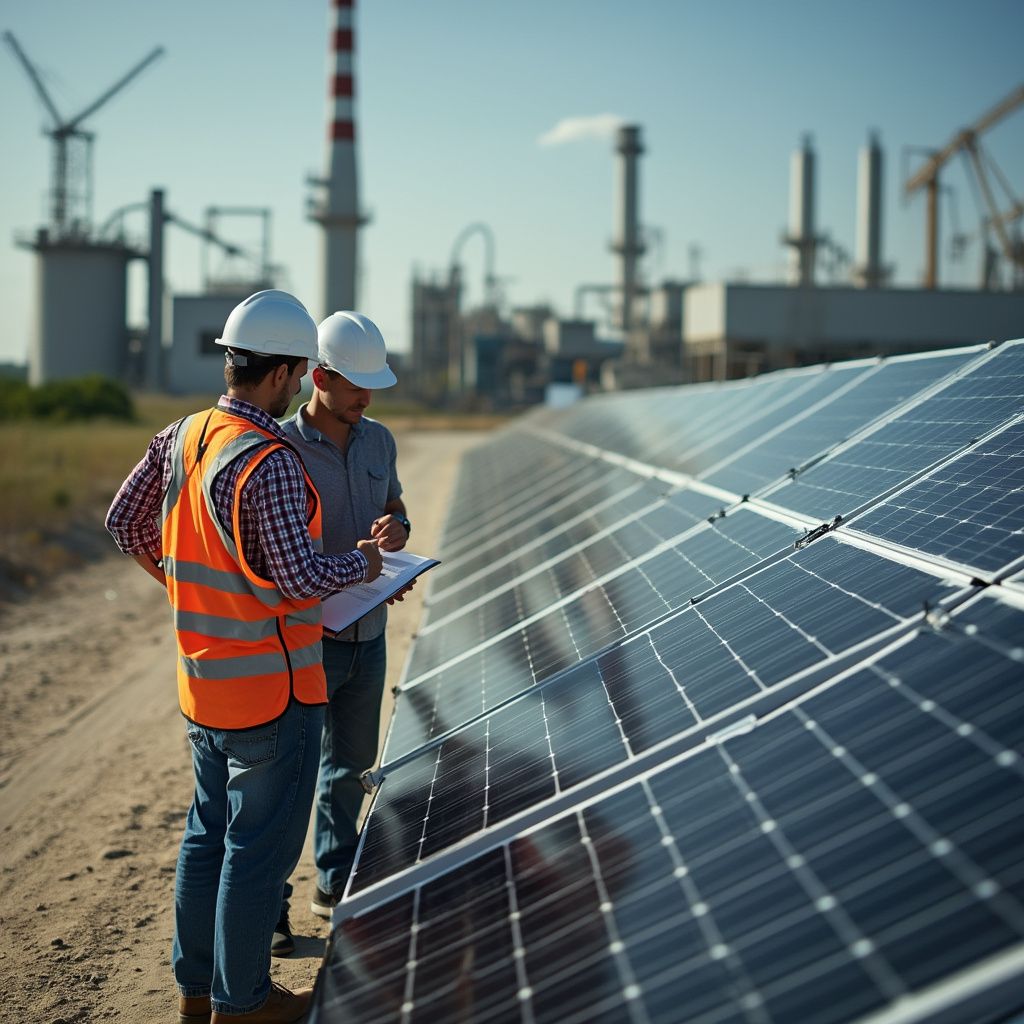
 Unused spaces such as rooftops, parking lots, or vacant land can be transformed into energy-generating hubs through precise engineering and design. Solar panel installations in these areas ensure efficient use of resources without interrupting manufacturing operations.
For instance, automotive manufacturers have leveraged advanced photovoltaic (PV) systems engineered for large-scale rooftop installations, significantly reducing their reliance on external energy providers. Engineering expertise plays a critical role in optimizing panel placement, ensuring maximum sunlight exposure, and integrating these systems into existing power grids.
Tailoring Solar Technologies to Industrial Needs
Engineering advancements have made solar energy adaptable to diverse industrial processes. Manufacturing plants benefit from technologies designed to meet their specific energy demands:
- Concentrated Solar Power (CSP): Engineered for high-temperature industrial applications like chemical processing, CSP systems provide a sustainable alternative to traditional heating methods.
- Photovoltaic (PV) Systems: Ideal for general electricity needs and low-energy tasks, these systems are engineered for efficiency and durability.
By combining these technologies, manufacturing facilities can create hybrid systems tailored to their unique energy profiles. Engineering teams ensure these integrations operate seamlessly, optimizing performance and sustainability.
Reducing Costs and Enhancing Energy Independence
Solar power offers significant cost savings for energy-intensive industries, with engineering playing a vital role in achieving these benefits. Through careful design and implementation, manufacturers can:
- Lower Operational Costs: Solar installations reduce dependency on traditional utilities, cutting electricity expenses over the long term.
- Store Excess Energy: Battery systems engineered to capture and store surplus solar power ensure consistent energy availability during peak production times.
- Mitigate Market Volatility: By generating their own energy, facilities are insulated from fluctuating energy prices and market disruptions.
- Enhance Efficiency: Engineering teams design adaptable systems that respond to variable energy needs, ensuring reliable and stable operations.
Achieving energy independence not only stabilizes operational costs but also strengthens financial resilience, making solar power a strategic advantage for manufacturers.
You can also check out Utility bidder for a comprehensive comparison of providers and utility costs.
Amplifying Sustainability Through Integrated Practices
 Solar energy serves as a cornerstone for broader sustainability initiatives within manufacturing facilities. Engineering-driven energy audits identify inefficiencies, while upgrades such as LED lighting and improved insulation amplify the benefits of solar installations.
By adopting a holistic approach, manufacturers can create energy systems that not only comply with regulatory standards but also set benchmarks for environmental responsibility. For more information on energy efficiency standards and best practices, refer to resources provided by the U.S. Department of Energy. Engineering teams play a key role in designing these integrated systems to maximize their impact and efficiency.
Strengthening Corporate Image and Market Position
Solar-powered manufacturing facilities reflect a commitment to innovation and environmental stewardship, values increasingly important to consumers and stakeholders. Through engineering excellence, companies can demonstrate their dedication to renewable energy and sustainability.
This commitment enhances brand value, attracts investors, and positions the company as a leader in sustainable manufacturing. By aligning with global sustainability goals, businesses gain a competitive edge, reinforcing their reputation as forward-thinking industry leaders.
Conclusion
Engineering is at the heart of integrating solar energy into manufacturing, transforming renewable potential into actionable solutions. By leveraging advanced technologies and strategic frameworks, manufacturers can achieve remarkable financial and operational benefits.
From reducing costs and achieving energy independence to strengthening sustainability initiatives and enhancing corporate reputation, solar energy empowers manufacturing facilities to lead the way in industrial innovation. As a testament to engineering ingenuity, solar power creates a future where growth and environmental responsibility thrive side by side, illuminating a sustainable path forward for the manufacturing sector.