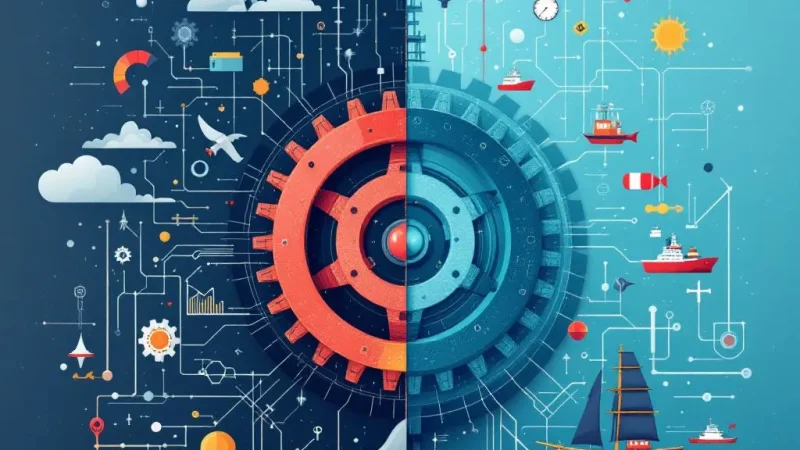
Most In-Demand Skills for Digital Twin Systems
Introduction

In recent years, the concept of the Digital Twin has revolutionized how industries approach design, maintenance, and optimization of complex systems. A Digital Twin is a virtual replica of a physical asset, process, or system that enables real-time monitoring, simulation, and predictive analysis. This technology is transforming sectors such as manufacturing, aerospace, automotive, energy, healthcare, and urban planning, making it a cornerstone of Industry 4.0 and smart systems.
The rapid advancement of digital technologies, the increasing complexity of engineering systems, and the demand for efficiency and sustainability are driving the need for specialized skills in developing, managing, and utilizing Digital Twin systems. As the field evolves, certain technical and soft skills have become highly sought after by employers. Whether you’re a student aspiring to enter this field, a job seeker aiming to specialize, or a professional looking to upskill, understanding these in-demand skills is crucial for career growth.
This article will explore the most valuable technical and soft skills currently in high demand within the realm of Digital Twin systems, providing insights into how to acquire them and why they matter in today’s industry landscape.
Most In-Demand Technical Skills
1. Data Modeling and Simulation
Data modeling involves creating abstract representations of physical systems to analyze and predict their behavior. In Digital Twin systems, data models integrate sensor data, operational parameters, and environmental factors to simulate real-world performance.
Importance today: As Digital Twins rely heavily on accurate data representation, expertise in data modeling ensures reliable simulations and predictive analytics, which are vital for maintenance, optimization, and decision-making.
Applications: Manufacturing process optimization, predictive maintenance in aerospace, energy grid management, and smart city planning.
2. IoT and Sensor Integration
This skill involves connecting physical assets with digital systems through sensors and IoT devices, enabling real-time data collection and control.
Importance today: The proliferation of IoT devices allows for continuous data streams essential for creating dynamic Digital Twins. Skills in sensor calibration, network protocols, and data acquisition are critical.
Applications: Industrial automation, smart buildings, autonomous vehicles, and infrastructure monitoring.
3. Programming and Data Analytics (Python, R, MATLAB)
Proficiency in programming languages like Python, R, or MATLAB enables engineers to develop algorithms, process large datasets, and automate simulations.
Importance today: Data-driven decision-making and automation are central to Digital Twin systems. Python, in particular, is widely used for machine learning, data analysis, and scripting tasks.
Applications: Machine learning models for predictive maintenance, visualization dashboards, and simulation automation.
4. Machine Learning and Artificial Intelligence
AI and machine learning techniques analyze vast amounts of sensor and operational data to identify patterns, anomalies, and predictive insights.
Importance today: AI enhances the predictive capabilities of Digital Twins, enabling proactive maintenance and system optimization.
Applications: Fault detection in manufacturing, energy consumption forecasting, and autonomous system control.
5. Cloud Computing and Data Storage
Skills in cloud platforms like AWS, Azure, or Google Cloud facilitate scalable data storage, processing, and collaboration.
Importance today: Digital Twins generate massive data volumes that require cloud infrastructure for efficient management and real-time access.
Applications: Remote monitoring, collaborative engineering, and large-scale simulation environments.
6. CAD and 3D Modeling Software (AutoCAD, SolidWorks, Blender)
Designing and visualizing physical assets in 3D is fundamental for creating accurate Digital Twins.
Importance today: Precise 3D models serve as the foundation for simulation and analysis, especially in manufacturing and product design.
Applications: Mechanical component design, urban infrastructure modeling, and virtual prototyping.
7. Systems Engineering and Integration
This skill involves understanding how different subsystems interact and integrating various software and hardware components into a cohesive Digital Twin platform.
Importance today: Complex systems require seamless integration of sensors, data processing, visualization, and control modules.
Applications: Aerospace system simulation, smart grid management, and industrial automation.
8. Cybersecurity for Industrial Systems
Protecting Digital Twin environments from cyber threats involves implementing security protocols, encryption, and access controls.
Importance today: As Digital Twins connect to critical infrastructure, cybersecurity is vital to prevent data breaches and system disruptions.
Applications: Energy sector, manufacturing plants, and transportation systems.
9. Digital Twin Platforms and Tools (Simulink, ANSYS, PTC ThingWorx)
Familiarity with specialized platforms enables efficient development, deployment, and management of Digital Twin solutions.
Importance today: These tools streamline modeling, simulation, and visualization tasks, reducing development time and increasing accuracy.
Applications: System simulation, virtual commissioning, and real-time monitoring.
10. Data Visualization and Dashboard Development
Creating intuitive dashboards using tools like Power BI, Tableau, or custom web interfaces helps stakeholders interpret complex data.
Importance today: Clear visualization supports decision-making and operational oversight in real-time.
Applications: Monitoring system health, performance metrics, and predictive alerts.
In-Demand Soft Skills and Interdisciplinary Abilities
- Communication Skills: The ability to clearly articulate technical concepts to non-technical stakeholders is essential. Effective communication ensures alignment across multidisciplinary teams and facilitates collaboration.
- Project Management: Managing timelines, resources, and cross-team coordination is vital for successful Digital Twin projects, especially in industrial settings.
- Systems Thinking: Understanding how different components and processes interact holistically enables engineers to design more effective and resilient Digital Twins.
- Problem-Solving and Critical Thinking: Rapidly diagnosing issues, analyzing data, and devising innovative solutions are highly valued in dynamic environments.
- Adaptability and Continuous Learning: The fast-paced evolution of technology demands professionals who stay updated with emerging tools, methodologies, and industry standards.
How to Learn These Skills
Developing expertise in these areas can be achieved through a combination of formal education, online resources, and practical experience:
- Online Courses and Certifications: Platforms like Coursera, edX, Udacity, and LinkedIn Learning offer courses on data science, IoT, machine learning, cloud computing, and more. Certifications from providers like AWS, Microsoft, or industry-specific bodies can enhance credibility.
- Academic Programs: Pursuing degrees or minors in fields such as Mechanical Engineering, Electrical Engineering, Computer Science, or Systems Engineering provides foundational knowledge.
- Hands-On Projects: Engage in personal or open-source projects involving sensor integration, simulation, or data analysis. Use tools like MATLAB, AutoCAD, Simulink, or PTC ThingWorx to gain practical experience.
- Internships and Industry Exposure: Seek internships or cooperative education opportunities to work on real Digital Twin implementations.
- Community and Professional Networks: Join industry forums, webinars, and conferences to stay updated and exchange knowledge with peers.
Conclusion
The field of Digital Twin systems is rapidly expanding, driven by technological innovation and industry demand for smarter, more efficient assets and processes. To succeed in this domain, professionals must develop a blend of technical skills—such as data modeling, IoT integration, programming, AI, and simulation—and soft skills like communication, systems thinking, and project management.
Aligning your learning journey with these in-demand skills will open doors to exciting career opportunities across diverse industries. Whether you’re aiming to become a Digital Twin developer, systems engineer, data analyst, or project manager, continuous upskilling and staying abreast of emerging technologies are key to thriving in this dynamic field.
Explore related job roles, certifications, and online resources to further your knowledge and make meaningful contributions to the future of digital twin technology.