Mechanical Engineering Education in Zimbabwe
In Zimbabwe, the way people learn mechanical engineering has changed a lot and is now very important for the country to grow its industries. The education system in Zimbabwe has improved over time to be on par with international levels.
There are important schools like the University of Zimbabwe and the Harare Institute of Technology that teach mechanical engineering very well. These schools have tough courses that teach students the theory they need to know and the hands-on skills they need to have. They also work with companies to give students the chance to see how their skills are used in real jobs.
As Zimbabwe works hard to improve its economy, teaching mechanical engineering is very important. The country is always updating its education system to make sure it produces top-notch engineers who can solve the problems of an ever-changing world.
Historical Overview
Mechanical engineering education in Zimbabwe started with the opening of the Bulawayo Technical Institute in the early 1900s. This was a big step for the country, as it began to teach people the skills needed for industrial jobs.
Over time, as technology improved and Zimbabwe needed more specialized skills, the courses taught at the institute changed too. Instead of just learning by doing, students started to study the theory behind engineering as well as practice it.
This change was important because it made sure that Zimbabwe’s engineers were ready to work with advanced technology and come up with new ideas in a world that was becoming more and more about complex machines.
Key Educational Institutions
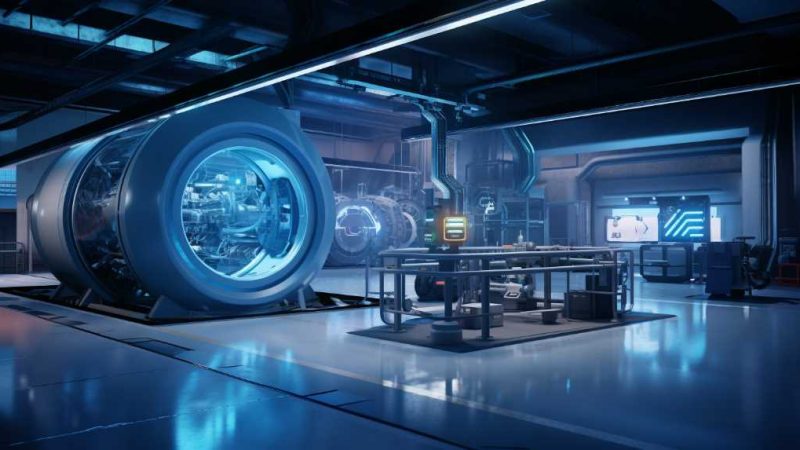
In Zimbabwe, the top schools for learning mechanical engineering have come a long way since we first had the Bulawayo Technical Institute. These schools now offer advanced degrees and have training facilities with the latest technology.
The National University of Science and Technology (NUST) is at the forefront, known for its tough academic standards and strong program that combines book learning with hands-on experience.
The University of Zimbabwe (UZ) is also a key place for this field. Its Engineering Faculty encourages new ideas and research.
Then there’s the Harare Institute of Technology (HIT), which focuses on creating and using new technologies.
Together, these schools are a powerful force in mechanical engineering education in Zimbabwe. They honor old traditions while embracing new advancements.
Curriculum and Training
In Zimbabwe, mechanical engineering courses really prepare students well. They teach both book smarts and hands-on skills. The programs are tough, but they make sure students know the basics of engineering really well and can come up with new ideas and solve problems. Teachers connect the dots between subjects like math and physics and the real engineering work that includes things like how heat and energy work (thermodynamics), what materials to use (materials science), and how liquids and gases move (fluid dynamics).
Classes also have a lot of lab work and practical workshops. This is super important because it’s where students get to try out what they’ve learned and turn it into real skills they can use.
The end goal of all this is to have engineers who graduate knowing what to do in the working world, especially with all the new challenges out there today.
Industry Collaborations
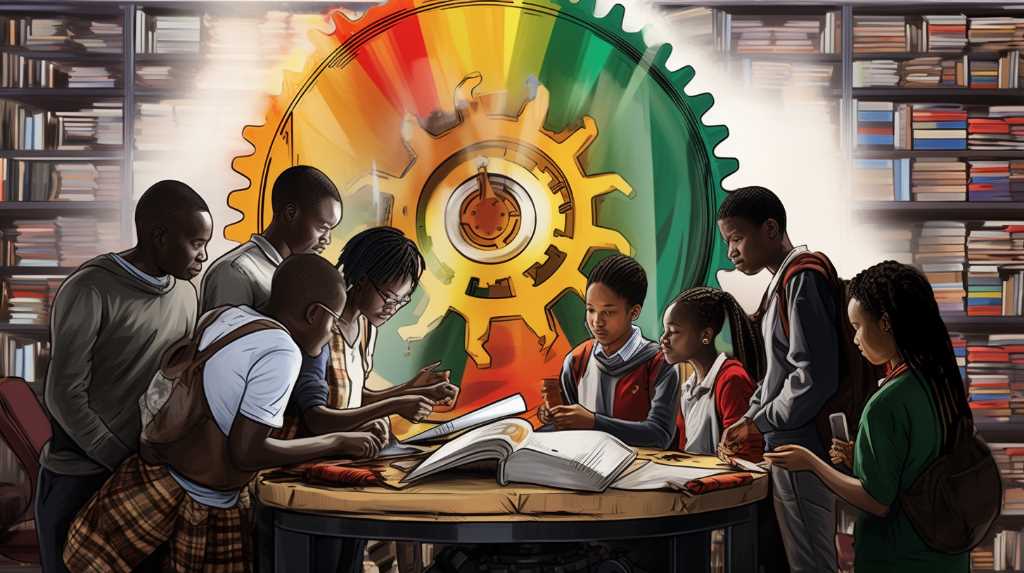
Universities in Zimbabwe are teaming up with local businesses to give mechanical engineering students a taste of the real world. By offering internships and projects that happen right on the factory floor, these students get to put what they learn in class into action. This makes sure they leave school ready to tackle the kind of problems engineers face today.
These partnerships are carefully planned to make sure that students aren’t just learning from books, but are also getting their hands dirty with actual work that companies need. It’s a smart move because it turns out graduates who know their stuff and can jump right into a job without missing a beat.
And for businesses, it’s great because they get to shape the skills of their future employees. It’s a win-win: students learn how to think on their feet and come up with new ideas, and companies get a workforce that can really hit the ground running.
Future Prospects
Looking to the future, partnerships between universities and businesses will be very important for improving mechanical engineering education in Zimbabwe. These collaborations will help make sure that education meets both the changing needs of the world’s tech industry and the specific requirements of Zimbabwe’s own industries.
As Zimbabwe works through its economic problems, it’s becoming more important to have innovative education in mechanical engineering. We need to constantly check and update the courses to make sure they give students the skills they need for a changing job market. The success of mechanical engineering education in Zimbabwe depends on blending classroom learning with real-world experience. This change is critical for preparing a strong workforce that’s ready for the future.
To give a specific example, a university might work with a local manufacturing company to give students hands-on experience. This could include internships or projects that tackle real industry problems. This way, students can apply what they’ve learned in class to actual work settings, which helps them become more effective engineers.
Conclusion
To sum it up, the way mechanical engineering is taught in Zimbabwe has changed a lot over time. The country’s history played a big part in how its education system looks today.
The main schools in Zimbabwe offer strong courses that combine book learning with the hands-on experience that engineers need. They work with local businesses to make sure what they teach will help students get jobs and be useful in the real world.
As we look to the future, mechanical engineering in Zimbabwe could really take off. But that will only happen if the courses keep up with new technology around the world and what Zimbabwe’s own industries need.
For example, at the University of Zimbabwe, students can work with real machinery, which gives them a taste of what working as an engineer will be like. This hands-on experience can make them more attractive to employers after they graduate. And it’s not just about getting a job; these practical skills are also what Zimbabwe needs to build up its own industries and keep them running smoothly.
If the education system stays flexible and keeps improving, there’s no telling how far mechanical engineering can go in Zimbabwe.