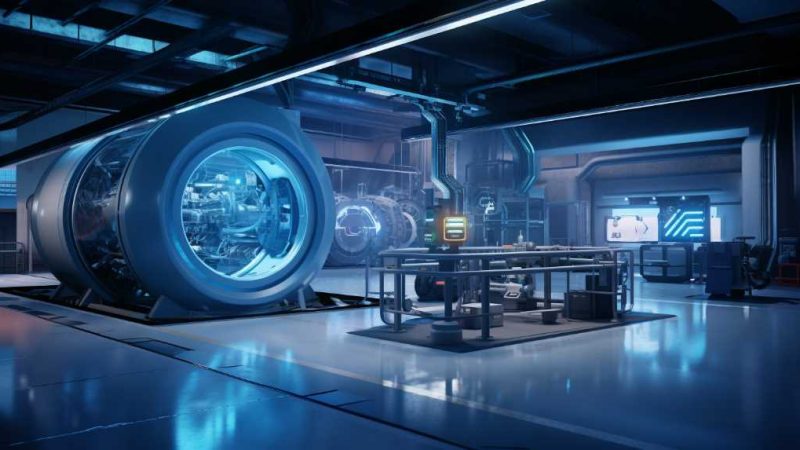
Inside the Mechanical Engineering Engine

Mechanical engineering is essential in today’s high-tech world. It’s the driving force behind many new inventions and designs. This field is all about using the rules of physics and materials science to build and understand machinery.
The ‘engine’ of this field runs on a strong grasp of the basics, like how things move, how energy works, and what forces are at play. Engineers need to think about both the big picture and the small details, like how to pick the right materials and how each part of a machine affects the other parts, especially under different conditions.
As the world changes and new problems come up, mechanical engineering also changes, growing with new discoveries in how to design mechanisms and using the latest technologies. This quick look into mechanical engineering shows how complex and important it is, pushing the industry and the world into the future.
The Essence of Mechanics
Mechanical engineering is really about figuring out how forces and movement work to design and improve machines and structures. It’s all about using the rules of physics to make sure things like bridges or engines can handle the forces they face and work like they’re supposed to.
Engineers look at statics, which is the study of objects that are not moving and the forces they’re under. They also dive into dynamics, which is all about objects in motion and what pushes and pulls on them.
Understanding these concepts is crucial because it helps engineers make things that are safe, work well, and can be counted on. For example, by using the laws of physics and knowledge about materials, an engineer can predict how a new car design might behave in a crash, making sure it’s safe for passengers.
This is how mechanical engineers solve real-world problems and come up with innovations that make our lives better.
Core Principles and Laws
Mechanical engineering is a broad field, but it’s built on a few key principles and rules from physics. These rules explain how matter and energy behave.
For example, the laws of thermodynamics are all about how energy moves and how efficient it is.
The concepts of statics and dynamics help us understand how forces work and how things move.
Knowing about materials science is essential for making things that are strong and last a long time.
Fluid mechanics is also very important; it helps us understand how liquids and gases act and is key to figuring out things like how planes fly and how boats move in water.
Each of these important ideas is supported by detailed math, which lets engineers make accurate predictions and smart design choices.
Design and Material Selection
Choosing the right materials is key in mechanical engineering. It affects how well the system or part works, how long it lasts, and how much it costs. Engineers need to think about many things when picking materials, like how the material reacts to forces, heat, and wear and tear. They start by looking at what the application needs, such as how strong the material needs to be and what kind of temperatures or stresses it will face.
Engineers use databases and software to compare materials. They look at things like how much a material can stretch (ductility), how hard it is (hardness), and whether it can stand up to chemicals and rust (corrosion resistance). Computers help them see how different materials will handle different situations.
Choosing materials carefully is very important. It makes sure that what is built is strong, lasts a long time, and doesn’t cost too much. For example, if you’re designing a bridge, you need materials that can support a lot of weight, resist wind and weather, and last for decades without getting too expensive. You might choose steel for its strength and durability, but you’d also consider how it needs to be protected from rust, which would add to the cost.
In short, the materials an engineer chooses can make or break a project. That’s why they need to get it right, considering every detail to make sure the final product is safe, reliable, and cost-effective.
Innovations in Mechanism Design
New developments in how we design machines are making a big impact on mechanical engineering. These improvements are making machines work better, use less energy, and adjust to changes quickly.
Engineers are now using special computer programs to make sure that parts move smoothly and efficiently. They’re also using smart materials that change in response to different forces or temperatures, making machines that can handle changing conditions on their own. Plus, they’re using advanced techniques to figure out the best way to build something with as little material as possible.
This is really important because it means machines can do their jobs better, last longer, and work in lots of different places, from factories to hospitals.
For example, with these new tools, a company could design a robotic arm that’s lighter and uses less power, making it cheaper to run and better for the environment. Or, imagine a bridge built with materials that can sense and strengthen themselves when heavy traffic passes over.
These aren’t just minor updates; they’re big changes that are helping us build the future.
Future Trends in Mechanical Engineering
When we look at what’s next for mechanical engineering, new trends are about to change the field in exciting ways. The use of artificial intelligence (AI) is going to make computer-based modeling and simulations much better. This means that we can predict when machines will need repairs and make systems work more efficiently.
We’re also seeing big steps forward in material science. This includes self-fixing materials, advanced mixtures called smart composites, and the use of incredibly tiny technology called nanotechnology. These will help us make machine parts that are lighter, stronger, and can change to fit different situations.
These changes are important because they will help us use less energy, make things last longer, and reduce harm to the environment. The combination of AI and new materials will play a big role in making mechanical engineering more advanced and eco-friendly.
For example, imagine a bridge built with materials that can repair themselves and sensors that use AI to monitor the bridge’s condition. This could make the bridge safer and reduce the need for constant repairs.
This is how the future of mechanical engineering looks, where smart technology and innovative materials come together to create better solutions.
Conclusion
Mechanical engineering is crucial for new technology because it is based on important mechanics rules. Engineers in this field work hard to improve designs and pick the best materials, which leads to the creation of new, important inventions.
Looking ahead, we expect mechanical engineering to focus more on being eco-friendly, using advanced smart technologies, and working with other fields. This means mechanical engineering will keep playing a key role in how industries and our society develop.