Fundamental Concepts Every Mechanical Engineer Should Know
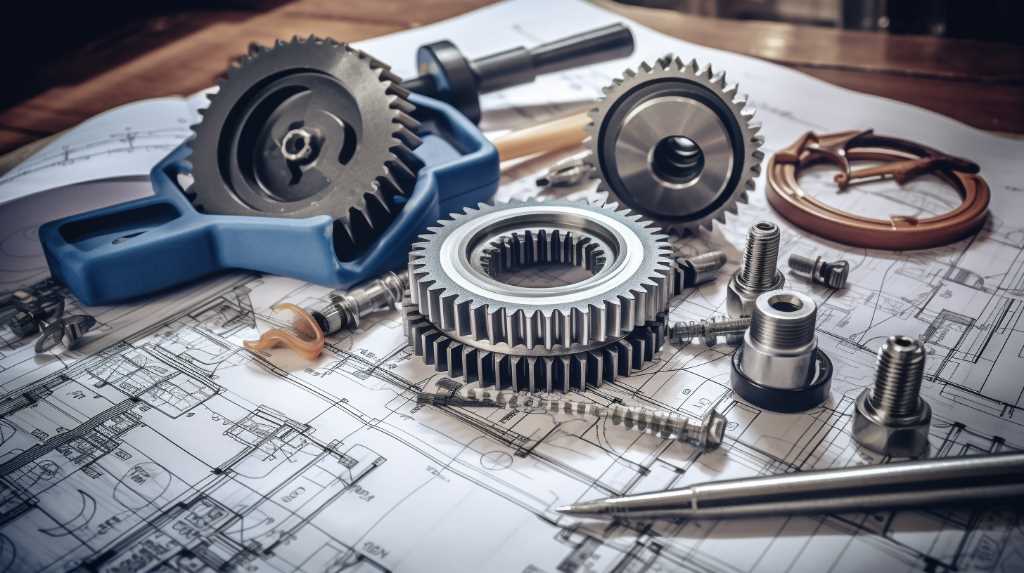
Mechanical engineering is a field that uses physics and materials science to analyze, design, manufacture, and maintain machines and equipment. It’s built on key ideas that engineers must understand well.
For instance, knowing statics and dynamics helps engineers figure out how things stay still or move. Thermodynamics is all about how energy moves and changes form, and it’s vital for making systems that use energy wisely.
Being familiar with materials science, especially how strong different materials are, lets engineers predict when something might break and how to make it last longer. Fluid mechanics is all about studying liquids and gases, and it’s essential for projects like designing pipes, pumps, or air conditioning systems.
Machine design is the process of creating machines and equipment that work well for their intended use. A skilled mechanical engineer uses all these ideas together to come up with new solutions and improve technology.
For example, when designing a car engine, an engineer needs to understand thermodynamics to make the engine efficient, materials science to choose the right materials that can handle the heat and stress, and machine design to ensure the engine fits well within the car. By combining these concepts, engineers can create better, more reliable, and more efficient machines.
Statics and Dynamics
Statics and dynamics are crucial in mechanical engineering. Statics is about making sure structures don’t move when they’re under stress. Engineers use math and physics, like Newton’s laws, to figure out if things can handle the pressure and force they’ll face. For example, when designing a bridge, an engineer must calculate how much weight it can hold without bending or breaking.
Dynamics is different; it’s all about things that are moving. It looks at how speed and force change over time. This means using math, like calculus, to guess what will happen to machines and structures when they’re in use. For instance, car makers study dynamics to make sure your vehicle stays stable and safe at high speeds.
Understanding both statics and dynamics is key to creating stuff that works well and doesn’t fail when used. It’s like knowing the rules of the game before you start playing. This knowledge helps engineers design everything from the smallest gadget to the tallest skyscraper.
Thermodynamics Principles
Understanding the basics of thermodynamics is key for anyone looking to become a mechanical engineer. This area of science explains how energy moves and changes form in machines. Knowing how thermodynamics works is essential because it helps engineers make engines, refrigerators, and all sorts of systems that use energy more efficient and well-designed.
Let’s talk about the first and second laws of thermodynamics. The first law says that energy can’t be created or destroyed, only changed from one form to another. This is all about energy conservation. The second law is about entropy, which means that the disorder in an isolated system will always increase over time. Knowing these laws helps engineers predict what will happen inside a system and how to make it work better.
The Carnot cycle is also really important. It’s a concept that sets the standard for how efficient a heat engine can be. Engineers use this idea to figure out the best ways to build engines that use less fuel and put out more power.
In short, being good at applying thermodynamics principles is a must for creating new and improved mechanical engineering designs. It’s all about making things that use energy work better, which is pretty amazing when you think about it!
Materials Strength and Mechanics
Mechanical engineers must understand the strength and behavior of materials to create safe and effective structures and parts. This is because materials react in different ways when they are pulled, squished, or bent. Knowing the strength of a material—like how much it can hold before it stretches (tensile strength), starts to change shape (yield strength), or how stiff it is (modulus of elasticity)—helps engineers choose the right material for the job. They find out these strengths by doing a lot of tests.
It’s also really important for engineers to know about how materials can break or wear out over time, especially when they are hot or under constant stress. This helps them figure out what could go wrong and how to prevent it. This knowledge is super important because it helps engineers decide what materials to use, how to design things, and the best way to make them. For example, if they’re designing a bridge, they’ll pick a material that can handle the weight of cars over many years without cracking.
Fluid Mechanics Essentials
Mechanical engineers often work with fluid mechanics to understand how liquids and gases behave under different conditions. They need a strong grasp of core concepts like fluid statics, which deals with fluids at rest, and fluid dynamics and kinematics, which involve moving fluids. To figure out problems with flow speed and pressure, engineers use Bernoulli’s equation and the continuity equation.
When dealing with thick, slow-moving fluids, they use something called the Navier-Stokes equations to map out how the fluid moves in complicated situations.
Understanding dimensions and creating similar conditions is crucial when setting up experiments and making sense of the data, especially when working at very large or small scales. Knowledge of fluid mechanics is vital for creating machines like pumps and turbines, for designing heating and cooling systems, and for improving the aerodynamics of vehicles and planes. This is because it helps engineers predict and control how fluids will act, which is a fundamental part of many mechanical systems.
Machine Design Fundamentals
After learning about fluid mechanics, it’s just as important for mechanical engineers to understand the basics of machine design. This knowledge helps them build strong and effective machines. Machine design combines the study of motion, forces, heat, and materials to make equipment that can do specific tasks well, even in tough conditions.
For example, engineers need to know how to predict and measure the forces on different parts of a machine (stress analysis), choose the right materials, and make sure the parts fit together properly (manufacturing tolerances). They also need to think about how parts might get tired over time (fatigue), change shape slowly (creep), or wear out. Plus, they have to follow certain rules and standards to make sure their machines are safe and reliable.
The main goal for design engineers is to make machines that do their job well, are not too expensive to make, work efficiently, and can be made easily. This means the machines will last a long time and work really well. For example, if they’re designing a pump, they’ll choose materials that won’t wear out quickly, design it so that it’s easy to build, and make sure it meets safety standards. This way, the pump will work efficiently for a long time, saving money and resources.
Conclusion
Every mechanical engineer needs to know some key things:
- How forces affect stationary and moving objects (that’s statics and dynamics)
- How energy works in systems (thermodynamics)
- How materials can handle forces (strength of materials and mechanics)
- The basics of how fluids move (fluid mechanics)
- How to create machines (machine design)
These topics are super important because they help engineers build and improve things like engines, robots, and even airplanes, making sure they work well, are safe, and bring new ideas to life.
Understanding these areas really well is necessary for making new technology and solving tough problems that we face today.