Engineering Precision: The Essential Role of High-Precision Bearings in Advancing Aerospace Technologies
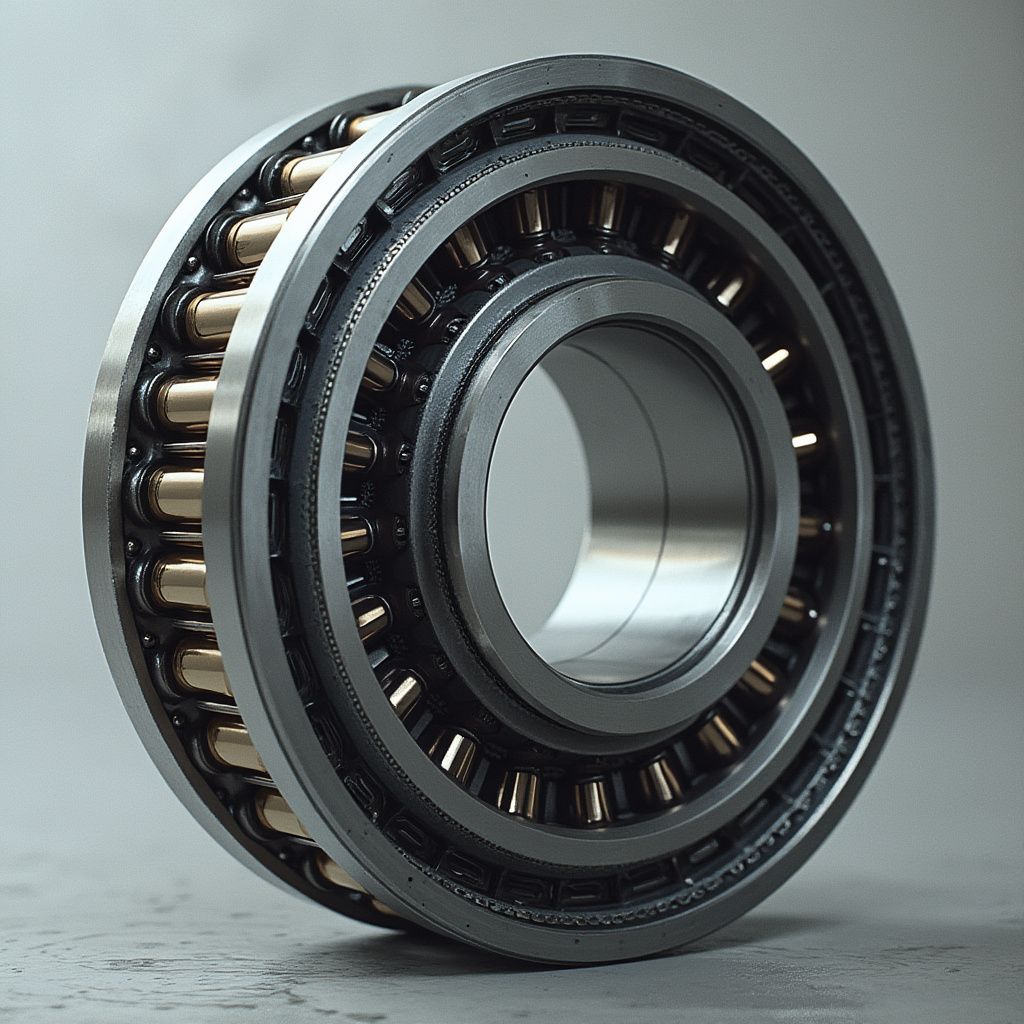 In the high-stakes world of aerospace engineering, precision is not just a preference—it is a necessity. From the powerful engines of commercial jets to the intricate mechanisms of space probes, high-precision bearings play a pivotal role in ensuring safety, reliability, and efficiency. These high-precision bearings are designed to perform under extreme conditions, supporting the demanding requirements of aviation and space technologies.
Small yet vital, these components are the unsung heroes of aviation and space exploration. Their evolution tells a story of innovation and adaptability, showcasing how engineering ingenuity has driven advancements in motion and performance over the centuries.
The Fundamental Role of Bearings in Engineering
Bearings are mechanical devices designed to reduce friction between moving parts, facilitating smooth and efficient motion. In aerospace applications, bearings face unique challenges, including extreme temperatures, high rotational speeds, and variable loads. These conditions demand materials and designs capable of enduring intense stresses while maintaining flawless performance.
Key functions of bearings include:
- Reducing friction to minimize energy loss between moving parts.
- Supporting axial and radial loads to ensure structural integrity.
- Enhancing the longevity of aerospace machinery and reducing maintenance costs.
Bearings must also comply with stringent quality standards to ensure safety and reliability in critical aerospace systems.
Tracing the Evolution of Bearings
The development of bearings spans thousands of years, reflecting humanity’s quest to minimize effort and maximize efficiency.
Ancient Beginnings
The concept of bearings dates back to ancient Egypt, where wooden logs were used as rollers to transport massive stones for pyramid construction. Lubrication practices, such as applying water or oil to reduce friction, also originated during this period.
The Renaissance Era
Leonardo da Vinci’s 16th-century sketches marked a turning point in bearing design. His detailed drawings of ball bearings demonstrated an understanding of their potential to facilitate smoother motion in machinery.
Industrial Revolution Advancements
In 1794, Philip Vaughan patented the first modern ball bearing design, which reduced friction in carriage wheels. This innovation laid the foundation for widespread use in industrial machinery. By the late 19th century, the rise of bicycles and automobiles spurred advancements in radial and thrust bearings.
20th Century Innovations

With the emergence of the aviation and automotive industries in the early 20th century, bearings became indispensable for ensuring the smooth operation of complex machinery. In the automotive sector, bearings were used extensively in engines, transmissions, and wheel assemblies, enabling vehicles to run more efficiently and last longer. Similarly, the aviation industry relied on bearings for critical components such as engines, landing gears, and control systems, where precision and reliability were paramount to ensure passenger safety and operational success.
The rapid growth of these industries demanded a shift from handcrafted bearings to large-scale production. Companies like SKF in Sweden and Timken in the United States revolutionized the manufacturing process by pioneering mass production techniques. These companies introduced standardized designs and interchangeable parts, which not only improved reliability but also reduced production costs. Bearings became more widely accessible, fueling innovation and expansion in both industries.
During World War II, the demand for high-performance bearings surged as they were essential for military vehicles, aircraft, and naval ships. To meet these needs, significant advancements were made in material science. Engineers developed high-strength steels and specialized alloys that could withstand the extreme stresses encountered in combat scenarios, such as high temperatures, heavy loads, and prolonged operation without failure. These innovations laid the groundwork for modern aerospace bearings, which continue to rely on materials and design principles refined during this period.
Beyond material improvements, wartime research also led to enhanced heat treatment processes and surface coatings that increased the durability and corrosion resistance of bearings. These breakthroughs not only supported the war effort but also transformed bearings into critical components for post-war technological advancements in both civil and military aviation.
Applications in Aerospace Technology
Bearings are integral to nearly every aspect of aviation and space exploration. Their ability to support movement and reduce wear under demanding conditions makes them indispensable.
Aircraft Systems
In aircraft, bearings are essential for jet engines, where they endure high temperatures and rotational speeds. Landing gear bearings ensure smooth deployment and retraction during takeoff and landing, critical for safety and reliability. Learn more about the design and applications of aircraft bearings in modern aviation.
Helicopters
Rotor systems in helicopters rely on bearings to handle dynamic loads and maintain stability during flight, ensuring smooth and controlled operation.
Drones and Unmanned Aerial Vehicles (UAVs)
Bearings support precision in propeller systems, enabling drones to perform complex maneuvers. From agriculture to defense, these components play a crucial role in UAV functionality.
Space Exploration
In satellites and space probes, bearings operate in vacuum conditions with minimal lubrication. They are critical for the movement of solar panels, robotic arms, and scientific instruments. High-precision bearings enable space exploration technologies to function flawlessly in extreme environments.
Technical Challenges and Innovations
The aerospace industry’s demand for high performance has driven continuous improvements in bearing technology.
Material Advancements
Ceramics and hybrid materials enhance durability while reducing weight. Coatings such as titanium nitride increase resistance to wear and corrosion, allowing bearings to perform under extreme conditions.
Precision Engineering
Modern bearings are manufactured with tolerances as small as a few micrometers. This precision ensures their ability to meet the rigorous demands of aerospace applications.
Smart Bearings
Equipped with embedded sensors, smart bearings monitor temperature, pressure, and wear in real-time, enabling predictive maintenance. This innovation reduces downtime and enhances operational efficiency.
Magnetic Bearings
Utilizing magnetic levitation, these bearings eliminate physical contact between components, reducing wear and allowing operation at extreme speeds.
As aerospace technology advances, the role of bearings continues to expand. Emerging trends include:
- IoT-enabled bearings that transmit performance data for remote monitoring and optimization.
- Sustainable manufacturing processes, including the use of recycled materials and eco-friendly production methods.
- Bearings designed for extreme environments, such as cryogenic temperatures, deep-space missions, and hypersonic flight.
The development of self-healing materials and enhanced lubrication technologies will further revolutionize the capabilities of high-precision bearings in aerospace engineering. For additional insights into aerospace technologies, visit NASA’s Advanced Air Mobility initiative or the FAA’s Office of Aviation Safety.
Conclusion
From ancient rollers to cutting-edge smart bearings, the evolution of these components reflects humanity’s relentless pursuit of innovation. High-precision bearings are the backbone of modern aerospace engineering, ensuring that aircraft and spacecraft operate safely and efficiently. As the aerospace industry pushes the boundaries of what is possible, bearings will remain critical to achieving new heights of technological achievement. Their story is one of engineering brilliance—small components with an immense impact.