Electronics and Communication Engineering Vs Mechanical Engineering
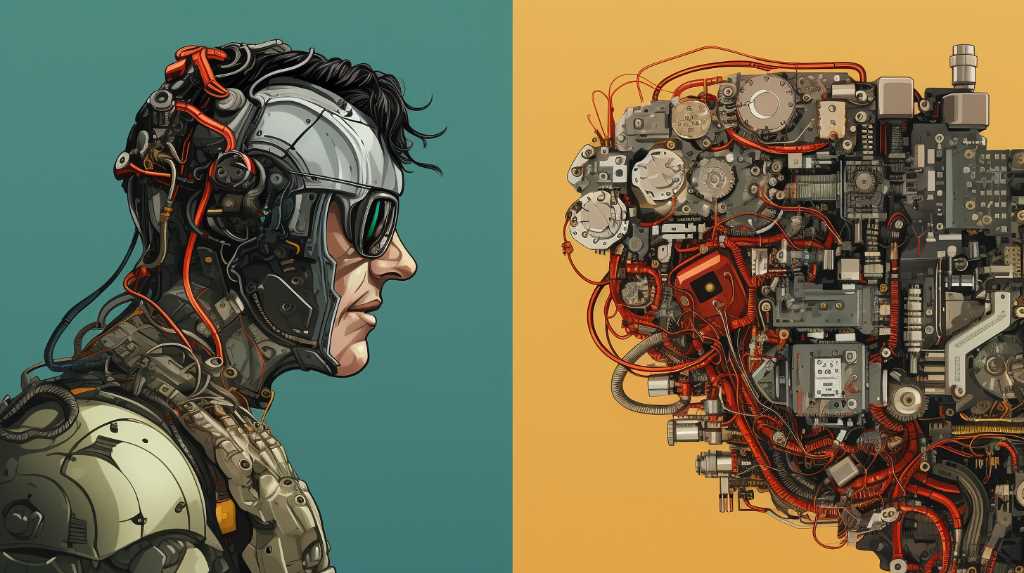
Electronics and Communication Engineering (ECE) and Mechanical Engineering (ME) are important branches of engineering, but they’re different in what they cover and do.
ECE focuses on making and improving electronic systems, like those used for communication, as well as bringing together computer technology. This is really important today because we rely so much on digital technology.
On the other hand, ME is all about understanding and using the ideas of how forces work, how energy is used, and how things move. This knowledge is key for creating and making mechanical things work, like engines or robots.
Students can learn a lot in both ECE and ME, starting with the basics and moving up to more complex research. There are many job options for graduates in both fields, whether you’re interested in tech companies or making physical products. And both ECE and ME are changing all the time because of new discoveries.
For example, ECE is growing with new communication tech, and ME is getting better with new materials and ways to make things that don’t harm the environment.
If you’re considering a career in either ECE or ME, it’s helpful to think about your interests and where you see yourself in the future. Are you fascinated by gadgets, apps, and the internet? ECE might be for you. Or if you’re curious about how cars, planes, or machines are built and work, then ME could be your path. And no matter what you pick, you’ll be part of shaping the future with your work.
Core Disciplines Explored
Electronics and Communication Engineering (ECE) is all about learning and using electronic systems and the technology that allows us to communicate. In ECE, you dive into things like microprocessors, semiconductors, and how we communicate over long distances. This is super important because it helps us make better computers, connect people and share information.
On the other hand, Mechanical Engineering (ME) is about using the rules of physics and understanding materials to create, design, build, and look after mechanical systems. ME is different because it’s about imagining and making machines and tools that work well, from tiny gadgets to huge power stations. For this, you really need to know about movement, heat energy, and how fluids flow.
Both these areas are really important for making new technology. They’re different in how they think about problems and what they make, but when they work together, amazing things can happen, like building robots and making systems that automate tasks. This is because robots and automated systems need both smart electronics to control them and solid mechanical designs to move and work.
Educational Pathways
To start a career in Electronics and Communication Engineering (ECE) or Mechanical Engineering (ME), you need a solid education, usually starting with a bachelor’s degree.
ECE students learn about electronic devices, how to design circuits, and the way communication systems work. They study digital systems, microprocessors, and how we communicate over long distances, like with phones and the internet.
On the other hand, ME students dive deep into how things move (mechanics), how energy changes from one form to another (thermodynamics), what materials are made of (material science), and how to make sure structures won’t fall down (structural analysis).
Both types of engineering programs mix book-learning with hands-on projects in labs, design work, and real-world experience through internships. This mix makes sure students really get both the theory and the practical skills they need.
After getting their bachelor’s degree, engineers can go for higher degrees like a master’s or a PhD. This extra schooling lets them focus on a specific area they’re interested in and can lead to more job options and the chance to become an expert in their field.
For example, someone studying ECE might get a master’s degree to specialize in robotics, which could lead to a job designing robots for companies like Boston Dynamics. A ME student might go for a PhD and focus on developing new materials that could be used in everything from safer cars to space exploration.
These advanced degrees are important because they open doors to careers that make a real difference in the world.
Career Prospects Compared
Job opportunities in Electronics and Communication Engineering (ECE) and Mechanical Engineering (ME) are quite different. ECE experts are very important in the growing tech world, working in areas like software, telecom, and designing electronic systems. They’re in demand because of new technologies like the Internet of Things, artificial intelligence, and robots, all of which rely on ECE knowledge.
On the other hand, ME graduates have chances to work in industries such as manufacturing, cars, planes, and energy. ME jobs are known for being steady, but with new technology like robots and better materials, these professionals must keep learning and improving their skills.
When we look at market trends, it seems ECE might be growing faster as a field, but ME still offers a wide range of jobs, including in new areas such as green energy and biotech.
Industry Applications
Looking at how different types of engineering are used in various industries, let’s start with Electronics and Communication Engineering (ECE). This field is really important because it’s at the heart of things we use every day, like phones, computers, and even medical equipment. ECE engineers work on making sure we can communicate easily by improving things like cell phone signals and internet connections. They also create the technology inside medical devices that help doctors treat patients, and they make sure planes can navigate and communicate properly.
On the other hand, Mechanical Engineering (ME) is all about making and improving machines. It’s crucial in car manufacturing, building construction, and even in making robots. For example, mechanical engineers design car engines to make them run better and last longer. They also work on heating and cooling systems in buildings to keep us comfortable. In the field of robotics, these engineers focus on making robots move smoothly and be more useful in tasks like manufacturing or even surgery.
Both ECE and ME engineers look for ways to make things better, whether that’s making your phone’s battery last longer or creating a robot that can help build a house. Their work is essential because it makes our lives safer, more comfortable, and more connected.
Innovations and Future Outlook
New technology is changing the fields of Electronics and Communication Engineering (ECE) and Mechanical Engineering (ME) in exciting ways.
In ECE, the spread of 5G and the Internet of Things (IoT) means devices can talk to each other and work together smarter than before. New types of semiconductor materials are making computers faster and more power-efficient.
In ME, robots are getting smarter with artificial intelligence, and new materials are being developed to make manufacturing more sustainable and effective.
It’s important to note that ECE and ME are starting to merge. This can be seen in areas like mechatronics and cyber-physical systems, which mix electronics, mechanics, and computing. This blend is important because it means engineers will need to know about both fields to tackle big challenges in the future. For example, designing a robot arm for a factory not only requires knowledge of motors and mechanics (from ME) but also sensors and circuit design (from ECE).
Conclusion
Electronics and Communication Engineering (ECE) and Mechanical Engineering (ME) are two different fields of study and work, but they’re becoming more connected over time. Both offer their own learning opportunities, job possibilities, and ways they’re used in the real world.
ECE is all about pushing boundaries in technology, with a big impact on things like phones, computers, and machines that work on their own. On the other hand, Mechanical Engineering is essential for making things, designing, and dealing with heat-related processes.
Both areas are looking at a bright future because they’re starting to overlap more, especially in cutting-edge fields like robots, the Internet of Things (IoT), and creating energy in ways that don’t harm the planet. For example, a mechanical engineer might work on designing parts for robots, while an electronic engineer could develop the circuitry that allows the robot to function.
By learning from each other, both ECE and ME are growing and helping to build new technology that can change the world. It’s an exciting time for students and professionals in these fields as they explore these new opportunities.