Diverse Disciplines Within Mechanical Engineering
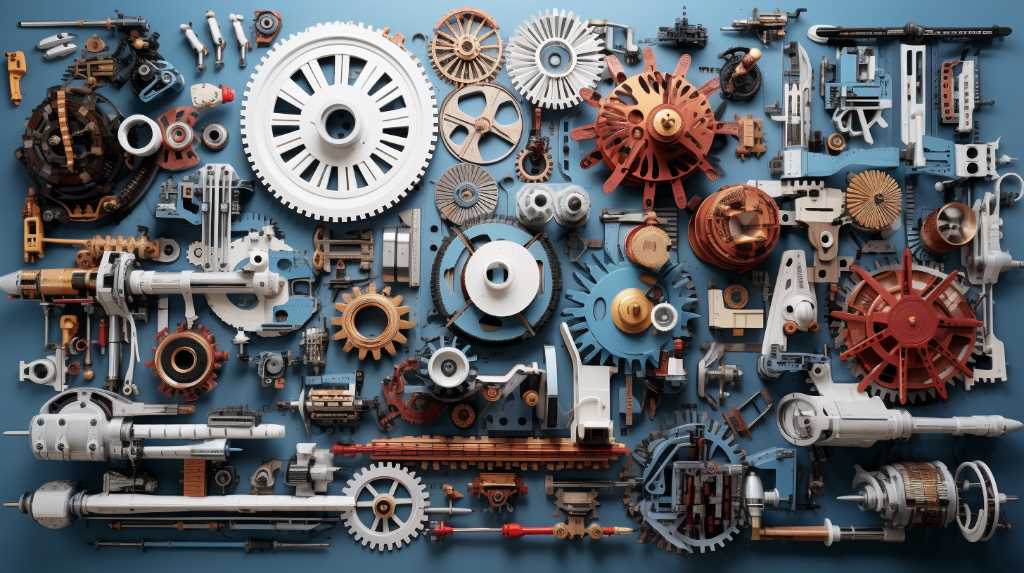
Mechanical engineering is vital for innovation and growth today, and it covers many areas.
For example, in Thermodynamics and Heat Transfer, engineers work on how energy moves and is used, which is key to making systems work better and be more eco-friendly.
Robotics and Control Systems combine mechanics with electronics and computers to make smart machines, like robots in manufacturing.
Aerospace and Aeronautical Engineering is all about designing planes and spacecraft, which helps us learn more about space and improve travel.
Materials Science and Engineering is where engineers create and use new materials, which is essential for making better technology.
Biomechanical Engineering combines mechanics with biology to help make new medical devices and treatments.
Each area shows how broad mechanical engineering is and how it helps us make progress in technology and industry.
For example, in Robotics, engineers might work on a robot that can help perform surgery, making operations safer and more precise.
In Aerospace Engineering, they might design a new jet engine that’s more fuel-efficient, reducing the environmental impact of air travel.
And in Materials Science, they might develop a new, stronger alloy for building bridges, making them last longer and withstand more weight.
All these advancements demonstrate the importance of mechanical engineering in our daily lives.
Thermodynamics and Heat Transfer
Thermodynamics and heat transfer are key parts of mechanical engineering. They help engineers create and improve things like engines, heaters, coolers, and even systems that control the temperature inside buildings. Thermodynamics tells us about energy and how it changes within a system, following specific laws. Heat transfer, on the other hand, is about how heat moves around through materials and fluids, doing this in three ways: conduction, convection, and radiation.
Understanding these concepts is really important for engineers, because it helps them make things that use energy better, deal with heat properly, and use clean energy from sources like the sun and wind. Engineers need to be good at analyzing things to work with these complex ideas. This shows just how deep and serious this field of study is.
For example, when an engineer is designing a new car engine, they use thermodynamics to make sure the engine can run as efficiently as possible, which means it uses less fuel and gives off less pollution. Then, they use heat transfer to manage the engine’s heat, so it doesn’t overheat and it stays at the right temperature to work well. These skills are crucial for making advanced technology that’s good for the environment and for our wallets.
Robotics and Control Systems
Robotics and control systems are key parts of mechanical engineering. They involve making robots and the complex instructions that let them work. These systems combine knowledge from computer science, electrical engineering, and mechanical design to build smart machines that can do tasks on their own or with some help.
In robotics, control systems are crucial. They give robots the ability to change what they’re doing based on what’s happening around them, which means they can be precise and flexible, even when things around them are changing.
Researchers in this field are always finding new solutions to problems like combining data from different sensors, figuring out how robots should move, and teaching machines to learn from their experiences. This makes robots more helpful and efficient.
These robots are now used in many areas, like factories where they help make things automatically, and in hospitals where they assist in surgeries. This shows how important they are to the growth of new technology.
Aerospace and Aeronautical Engineering
Aerospace and aeronautical engineering is all about creating and looking after both airplanes and spacecraft. This area of work is complex and requires deep knowledge in a few key areas:
- How air flows around objects (aerodynamics)
- The best materials for building these vehicles (materials science)
- How to analyze if they can handle stress (structural analysis)
- The systems that make them move (propulsion)
Engineers need to bring together all these different pieces of knowledge to build aircraft and spacecraft that can handle the tough conditions in the sky and space.
These engineers also have to be smart about using new technology, especially when it comes to the electronic systems and controls that keep these vehicles stable and safe in the air. They’re always looking for ways to be more efficient and environmentally friendly, which means a lot of time is spent on research and testing to develop new designs that are better than the last.
For example, when working on a new jet engine, engineers might look at how to make it burn fuel more cleanly to reduce pollution. Or, when designing a satellite, they might use advanced materials that can protect it from the harsh radiation outside of Earth’s atmosphere. In both cases, the goal is to push the boundaries of what’s possible in air and space travel.
Materials Science and Engineering
Materials Science and Engineering is all about studying materials in-depth to make advancements in mechanical engineering. This area of study looks closely at how a material’s makeup affects its characteristics, how it’s made, and how well it performs. Engineers working in this field put a lot of effort into creating new materials and methods that could change industries by being better in quality, lasting longer, and being more affordable.
To really understand materials, engineers use advanced techniques to examine them down to the atoms and molecules. This knowledge helps them change materials to meet specific engineering needs. For example, they might make a material that can handle extreme temperatures or is environmentally friendly, which is really important for tackling current problems like sustainability and dealing with harsh conditions.
Materials Science and Engineering is crucial because it not only helps us understand what materials can do but also drives innovation by creating materials that meet modern-day demands. This could mean making lighter materials for cars to save fuel, or developing medical implants that are more compatible with the human body.
Biomechanical Engineering
Biomechanical Engineering is a field where the knowledge of how things move and work in mechanics is used to understand and improve how the human body functions. This area of study looks at how our bodies move, the characteristics of living tissues, and how these tissues interact with medical devices. This work is crucial because it helps in creating things like artificial limbs, joint replacements, and devices that help people with disabilities, working to either copy or improve the body’s natural actions.
Experts in biomechanical engineering use detailed methods to measure how the body’s systems handle forces and movement. They use computer simulations to predict how complex parts of the body will interact. This helps to make new, custom-made solutions that fit perfectly with how our bodies work. This approach is changing how we treat individual patients, making it more personalized, and improving the way we help people recover from injuries or disabilities.
For example, a biomechanical engineer might design a knee brace that not only supports a weak knee but also helps the muscles around it move correctly. This could mean faster and better healing for someone with a knee injury.
It’s clear that the work done in biomechanical engineering is vital for developing medical aids and treatments that really meet the unique needs of each person.
Conclusion
To wrap it up, mechanical engineering is made up of many specific areas like heat science, robot tech, flight and space engineering, material studies, and medical device engineering.
These pieces all work together to push new inventions, solve tough problems, and make technology better.
This shows why mechanical engineering is so important in today’s science and industry worlds.